Buy wcsitz.eu ?
We are moving the project
wcsitz.eu .
Are you interested in purchasing the domain
wcsitz.eu ?
domain@kv-gmbh.de · 0541-91531010
Buy wcsitz.eu ?
Why do you put commas before "wieso"?
Commas are placed before "wieso" because it is an introductory word that introduces a question or a statement. The comma helps to separate the introductory word from the rest of the sentence, making it easier for the reader to understand the structure of the sentence. Additionally, using a comma before "wieso" helps to indicate a pause in the sentence, emphasizing the question or statement that follows. **
Why do you use commas before "wieso"?
Commas are used before "wieso" to indicate a pause in the sentence. This helps to separate the introductory word "wieso" from the rest of the sentence, making it clearer for the reader where the question or explanation begins. Additionally, using commas before "wieso" follows the standard punctuation rules in German grammar. **
Similar search terms for Wieso
Top-Angebote
Products related to Wieso:
-
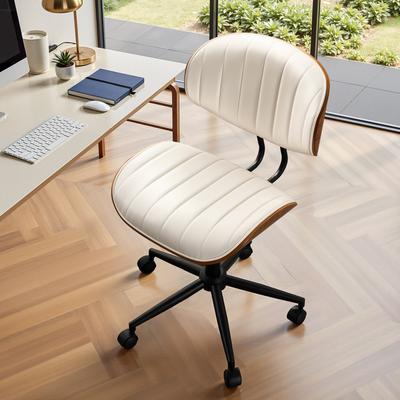
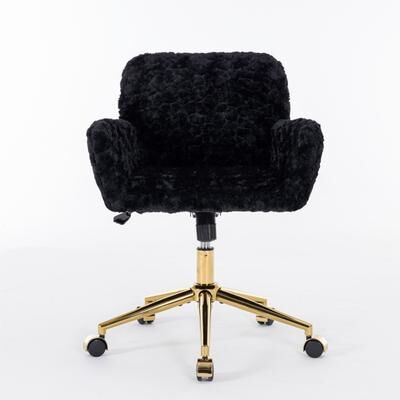
GREATPLANINC Stylish Office Chair Ergonomic Chair Vanity Chair with Adjustable Height Swivel Chair Executive Chair for BedroomThe wider and deeper seat design ensures ample space, while the 40° reclining chassis allows you to relax during breaks. Built with a sturdy 320mm base, this chair offers both style and stability for any workspace.163,49 $*Shipping: 0,00 $Secure redirect to the provider



-
Why do we use commas before "wieso"?
Commas are used before "wieso" in German to indicate a pause in the sentence and to separate the introductory word from the rest of the sentence. This helps to make the sentence clearer and easier to understand for the reader. Additionally, using commas before "wieso" follows the standard punctuation rules in German grammar. **
-
What is the difference between 'wieso' and 'warum'?
"Wieso" and "warum" are both used to ask why, but there is a slight difference in their usage. "Wieso" is more informal and is often used in spoken language, while "warum" is more formal and commonly used in written language. Additionally, "wieso" often implies a sense of surprise or disbelief, while "warum" is more neutral in tone. **
-
What is the difference between "wieso" and "warum"?
"Wieso" and "warum" are both used to ask why, but there is a slight difference in their usage. "Warum" is more formal and is used to ask for the reason or cause behind something. On the other hand, "wieso" is more informal and is often used to express surprise or disbelief, similar to saying "how come" in English. Both words can be used interchangeably in many contexts, but "wieso" may convey a slightly more emotional tone. **
-
What is the difference between the questions "wieso," "weshalb," and "warum"?
"Wieso," "weshalb," and "warum" are all German words that can be translated to "why" in English. However, there are subtle differences in their usage. "Wieso" and "weshalb" are more informal and are often used interchangeably, while "warum" is more formal and is used in written language or in formal speech. Additionally, "wieso" and "weshalb" are often used to ask for reasons or explanations, while "warum" can also be used to ask for the cause or purpose of something. **

What is the difference between the question words "warum," "wieso," "weshalb," and "weswegen"?
All four words, "warum," "wieso," "weshalb," and "weswegen," are used to ask why in German. However, "warum" is the most common and neutral term for asking why. "Wieso" is more informal and is often used in spoken language. "Weshalb" is a bit more formal and is commonly used in written German. "Weswegen" is less common and tends to be used in more formal or literary contexts. **
Is the saying "Wieso, weshalb, warum, wer nicht fragt, bleibt dumm" in English?
Yes, the saying "Wieso, weshalb, warum, wer nicht fragt, bleibt dumm" can be translated to English as "Why, why, why, if you don't ask, you stay dumb." This saying emphasizes the importance of asking questions in order to gain knowledge and understanding. It encourages people to be curious and inquisitive in order to learn and grow. **
Top-Angebote
Products related to Wieso:
-
HOOOWOOO Modern Ergonomic Adjustable PU Curved Office ChairTransform your workspace with the Ergonomic Adjustable PU Curved Office Chair by HOOOWOOO. Featuring curved backrest and U-shaped design, this chair not only offer back and lumbar support, but also save space for more area.125,99 $*Shipping: 0,00 $Secure redirect to the provider
-
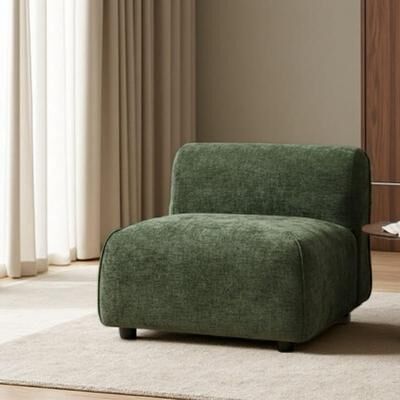
Curved Modern Upholstered Accent Armchair, Compact Space-Saving Lounge Chair with Ergonomic Contoured BackrestBring sculptural comfort and modern elegance into your home with this beautifully curved accent chair designed for effortless relaxation.365,99 $*Shipping: 0,00 $Secure redirect to the provider
-
Why do you put commas before "wieso"?
Commas are placed before "wieso" because it is an introductory word that introduces a question or a statement. The comma helps to separate the introductory word from the rest of the sentence, making it easier for the reader to understand the structure of the sentence. Additionally, using a comma before "wieso" helps to indicate a pause in the sentence, emphasizing the question or statement that follows. **
-
Why do you use commas before "wieso"?
Commas are used before "wieso" to indicate a pause in the sentence. This helps to separate the introductory word "wieso" from the rest of the sentence, making it clearer for the reader where the question or explanation begins. Additionally, using commas before "wieso" follows the standard punctuation rules in German grammar. **
-
Why do we use commas before "wieso"?
Commas are used before "wieso" in German to indicate a pause in the sentence and to separate the introductory word from the rest of the sentence. This helps to make the sentence clearer and easier to understand for the reader. Additionally, using commas before "wieso" follows the standard punctuation rules in German grammar. **
-
What is the difference between 'wieso' and 'warum'?
"Wieso" and "warum" are both used to ask why, but there is a slight difference in their usage. "Wieso" is more informal and is often used in spoken language, while "warum" is more formal and commonly used in written language. Additionally, "wieso" often implies a sense of surprise or disbelief, while "warum" is more neutral in tone. **
Similar search terms for Wieso
-
GREATPLANINC Stylish Office Chair Ergonomic Chair Vanity Chair with Adjustable Height Swivel Chair Executive Chair for BedroomThe wider and deeper seat design ensures ample space, while the 40° reclining chassis allows you to relax during breaks. Built with a sturdy 320mm base, this chair offers both style and stability for any workspace.163,49 $*Shipping: 0,00 $Secure redirect to the provider
-
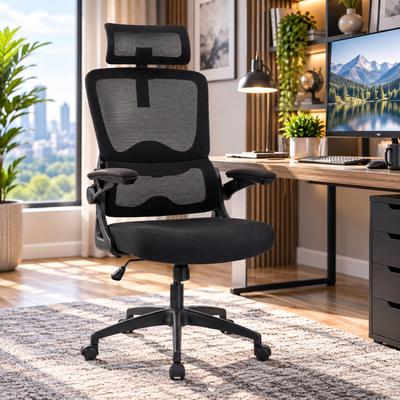
Modern Designs Ergonomic Mesh Office Chair, Adjustable Height, Tilt, Headrest & LumbarBring comfort and functionality to your workspace with this ergonomic mesh office chair. The breathable backrest promotes airflow, while the padded seat, adjustable headrest, and supportive armrests provide added comfort.193,99 $*Shipping: 0,00 $Secure redirect to the provider
-
HOOOWOOO Modern Ergonomic Adjustable PU Curved Office ChairTransform your workspace with the Ergonomic Adjustable PU Curved Office Chair by HOOOWOOO. Featuring curved backrest and U-shaped design, this chair not only offer back and lumbar support, but also save space for more area.122,21 $*Shipping: 0,00 $Secure redirect to the provider
-
What is the difference between "wieso" and "warum"?
"Wieso" and "warum" are both used to ask why, but there is a slight difference in their usage. "Warum" is more formal and is used to ask for the reason or cause behind something. On the other hand, "wieso" is more informal and is often used to express surprise or disbelief, similar to saying "how come" in English. Both words can be used interchangeably in many contexts, but "wieso" may convey a slightly more emotional tone. **
-
What is the difference between the questions "wieso," "weshalb," and "warum"?
"Wieso," "weshalb," and "warum" are all German words that can be translated to "why" in English. However, there are subtle differences in their usage. "Wieso" and "weshalb" are more informal and are often used interchangeably, while "warum" is more formal and is used in written language or in formal speech. Additionally, "wieso" and "weshalb" are often used to ask for reasons or explanations, while "warum" can also be used to ask for the cause or purpose of something. **
-
What is the difference between the question words "warum," "wieso," "weshalb," and "weswegen"?
All four words, "warum," "wieso," "weshalb," and "weswegen," are used to ask why in German. However, "warum" is the most common and neutral term for asking why. "Wieso" is more informal and is often used in spoken language. "Weshalb" is a bit more formal and is commonly used in written German. "Weswegen" is less common and tends to be used in more formal or literary contexts. **
-
Is the saying "Wieso, weshalb, warum, wer nicht fragt, bleibt dumm" in English?
Yes, the saying "Wieso, weshalb, warum, wer nicht fragt, bleibt dumm" can be translated to English as "Why, why, why, if you don't ask, you stay dumb." This saying emphasizes the importance of asking questions in order to gain knowledge and understanding. It encourages people to be curious and inquisitive in order to learn and grow. **
* All prices are inclusive of VAT and, if applicable, plus shipping costs. The offer information is based on the details provided by the respective shop and is updated through automated processes. Real-time updates do not occur, so deviations can occur in individual cases. ** Note: Parts of this content were created by AI.