Buy wcsitz.eu ?
We are moving the project
wcsitz.eu .
Are you interested in purchasing the domain
wcsitz.eu ?
domain@kv-gmbh.de · 0541-91531010
Buy wcsitz.eu ?
What does "Auf Wiedersehen" mean to you?
"Auf Wiedersehen" is a German phrase that translates to "goodbye" in English. To me, it signifies a respectful and formal way of parting with someone, often used when you expect to see them again in the future. It carries a sense of hope and anticipation for a future reunion, making it a warm and positive way to say goodbye. **
Can you say "Auf Wiedersehen" to a teacher?
Yes, "Auf Wiedersehen" is a polite way to say goodbye in German, and it can be used to bid farewell to a teacher in a formal setting. However, it is important to consider the context and the relationship with the teacher. In some cases, a more informal and personal goodbye might be more appropriate, such as "Tschüss" or "Bis bald." **

Similar search terms for Wiedersehen
Top-Angebote
Products related to Wiedersehen:
-
ModernMart Modern Zinc Alloy Drawer Handles For Cabinets Stylish Durable Furniture Pulls Modern Zinc Alloy Drawer Handles For Cabinets Stylish Durable Furniture PullsEnhance your space with a simple upgrade that makes a big visual impact. These zinc alloy drawer handles are designed for homeowners and DIY enthusiasts who want to refresh furniture without a full renovation. Crafted for durability and style, they...39,97 $*Shipping: 0,00 $Secure redirect to the provider
-
Modern Mode Marketplace Compact Pocket Tool Durable Multi Tool Keychain For Everyday Carry & Outdoor Gear Compact Pocket Tool Durable Multi Tool Keychain For Everyday Carry & Outdoor GearEveryday adventures deserve dependable gear, and this Compact 10in1 EDC pocket tool is designed to be the onethingyoullactuallyuse every day. Sleek and rugged, it brings ten essential functions into a pocketsized companion that fits right on your...29,97 $*Shipping: 0,00 $Secure redirect to the provider



-
How do you say "Auf Wiedersehen" in Arabic?
In Arabic, "Auf Wiedersehen" can be translated to "وداعا" (wada'an). This is a common way to say goodbye in Arabic, and it can be used in both formal and informal settings. **
-
What is the interpretation of "Wiedersehen" by August Wilhelm Schlegel?
"Wiedersehen" by August Wilhelm Schlegel is a poem that reflects on the theme of reunion and the joy of meeting loved ones again. The poet expresses the happiness and warmth that comes with reuniting with someone after a long separation. The poem captures the emotions of nostalgia, longing, and the sense of fulfillment that comes with being together once more. Overall, "Wiedersehen" conveys a sense of hope, love, and the beauty of human connections that transcend time and distance. **
-
Can I reply to my teacher with "Auf Wiedersehen" instead of "Tschüss"?
Yes, you can reply to your teacher with "Auf Wiedersehen" instead of "Tschüss" as it is a more formal and polite way of saying goodbye in German. "Auf Wiedersehen" translates to "until we see each other again" and is commonly used in more formal settings or with people you want to show respect towards, such as teachers. However, "Tschüss" is also a common and acceptable way to say goodbye in a more casual or informal setting. **
-
"Am I allowed to respond to my teacher with 'Auf Wiedersehen Tschüss'?"
Yes, you are allowed to respond to your teacher with "Auf Wiedersehen Tschüss." This phrase is a polite way to say goodbye in German and is commonly used in informal settings. However, it's important to consider the context and your relationship with your teacher. If your teacher is comfortable with informal language and you have a friendly relationship, then it should be fine to use "Auf Wiedersehen Tschüss" as a farewell. **


What is the correct phrase to say "Auf Wiedersehen, man sieht sich wieder"?
The correct phrase to say is "Auf Wiedersehen, man sieht sich wieder." This phrase translates to "Goodbye, we'll see each other again." It is a polite and friendly way to say goodbye with the implication of meeting again in the future. **
How informal is "Tschüss" and to whom should one say "Auf Wiedersehen" instead?
"Tschüss" is considered informal and is commonly used among friends, family, or in casual settings. On the other hand, "Auf Wiedersehen" is more formal and should be used in professional settings, with strangers, or when saying goodbye to someone you are not close to. It is a polite way to bid farewell in German-speaking countries. **
Top-Angebote
Products related to Wiedersehen:
-
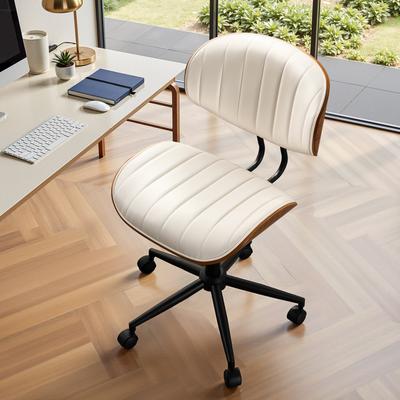
HOOOWOOO Modern Ergonomic Adjustable PU Curved Office ChairTransform your workspace with the Ergonomic Adjustable PU Curved Office Chair by HOOOWOOO. Featuring curved backrest and U-shaped design, this chair not only offer back and lumbar support, but also save space for more area.125,99 $*Shipping: 0,00 $Secure redirect to the provider
-
ModernMart Modern Zinc Alloy Drawer Handles For Cabinets Stylish Durable Furniture Pulls Modern Zinc Alloy Drawer Handles For Cabinets Stylish Durable Furniture PullsEnhance your space with a simple upgrade that makes a big visual impact. These zinc alloy drawer handles are designed for homeowners and DIY enthusiasts who want to refresh furniture without a full renovation. Crafted for durability and style, they...39,97 $*Shipping: 0,00 $Secure redirect to the provider
-
What does "Auf Wiedersehen" mean to you?
"Auf Wiedersehen" is a German phrase that translates to "goodbye" in English. To me, it signifies a respectful and formal way of parting with someone, often used when you expect to see them again in the future. It carries a sense of hope and anticipation for a future reunion, making it a warm and positive way to say goodbye. **
-
Can you say "Auf Wiedersehen" to a teacher?
Yes, "Auf Wiedersehen" is a polite way to say goodbye in German, and it can be used to bid farewell to a teacher in a formal setting. However, it is important to consider the context and the relationship with the teacher. In some cases, a more informal and personal goodbye might be more appropriate, such as "Tschüss" or "Bis bald." **
-
How do you say "Auf Wiedersehen" in Arabic?
In Arabic, "Auf Wiedersehen" can be translated to "وداعا" (wada'an). This is a common way to say goodbye in Arabic, and it can be used in both formal and informal settings. **
-
What is the interpretation of "Wiedersehen" by August Wilhelm Schlegel?
"Wiedersehen" by August Wilhelm Schlegel is a poem that reflects on the theme of reunion and the joy of meeting loved ones again. The poet expresses the happiness and warmth that comes with reuniting with someone after a long separation. The poem captures the emotions of nostalgia, longing, and the sense of fulfillment that comes with being together once more. Overall, "Wiedersehen" conveys a sense of hope, love, and the beauty of human connections that transcend time and distance. **
Similar search terms for Wiedersehen
-
Modern Mode Marketplace Compact Pocket Tool Durable Multi Tool Keychain For Everyday Carry & Outdoor Gear Compact Pocket Tool Durable Multi Tool Keychain For Everyday Carry & Outdoor GearEveryday adventures deserve dependable gear, and this Compact 10in1 EDC pocket tool is designed to be the onethingyoullactuallyuse every day. Sleek and rugged, it brings ten essential functions into a pocketsized companion that fits right on your...29,97 $*Shipping: 0,00 $Secure redirect to the provider
-
Modern Designs Ergonomic Mesh Office Chair, Adjustable Height, Tilt, Headrest & LumbarBring comfort and functionality to your workspace with this ergonomic mesh office chair. The breathable backrest promotes airflow, while the padded seat, adjustable headrest, and supportive armrests provide added comfort.193,99 $*Shipping: 0,00 $Secure redirect to the provider
-
Rare Purchases Computer Lazy Desk With Ergonomic Design, Integrated Foldable Table With Adjustable Height, Compact And Practical blackIntroducing the Computer Lazy Desk with Ergonomic Design a modern and practical solution for anyone seeking comfort and convenience while working or studying. This integrated foldable table combines the best features of adjustable height...94,97 $*Shipping: 0,00 $Secure redirect to the provider
-
Can I reply to my teacher with "Auf Wiedersehen" instead of "Tschüss"?
Yes, you can reply to your teacher with "Auf Wiedersehen" instead of "Tschüss" as it is a more formal and polite way of saying goodbye in German. "Auf Wiedersehen" translates to "until we see each other again" and is commonly used in more formal settings or with people you want to show respect towards, such as teachers. However, "Tschüss" is also a common and acceptable way to say goodbye in a more casual or informal setting. **
-
"Am I allowed to respond to my teacher with 'Auf Wiedersehen Tschüss'?"
Yes, you are allowed to respond to your teacher with "Auf Wiedersehen Tschüss." This phrase is a polite way to say goodbye in German and is commonly used in informal settings. However, it's important to consider the context and your relationship with your teacher. If your teacher is comfortable with informal language and you have a friendly relationship, then it should be fine to use "Auf Wiedersehen Tschüss" as a farewell. **
-
What is the correct phrase to say "Auf Wiedersehen, man sieht sich wieder"?
The correct phrase to say is "Auf Wiedersehen, man sieht sich wieder." This phrase translates to "Goodbye, we'll see each other again." It is a polite and friendly way to say goodbye with the implication of meeting again in the future. **
-
How informal is "Tschüss" and to whom should one say "Auf Wiedersehen" instead?
"Tschüss" is considered informal and is commonly used among friends, family, or in casual settings. On the other hand, "Auf Wiedersehen" is more formal and should be used in professional settings, with strangers, or when saying goodbye to someone you are not close to. It is a polite way to bid farewell in German-speaking countries. **
* All prices are inclusive of VAT and, if applicable, plus shipping costs. The offer information is based on the details provided by the respective shop and is updated through automated processes. Real-time updates do not occur, so deviations can occur in individual cases. ** Note: Parts of this content were created by AI.