Buy wcsitz.eu ?
We are moving the project
wcsitz.eu .
Are you interested in purchasing the domain
wcsitz.eu ?
domain@kv-gmbh.de · 0541-91531010
Buy wcsitz.eu ?
Who else can be Wali?
In Sunni Islam, the concept of Wali is often associated with a pious and righteous person who is close to Allah. Besides the twelve Imams in Shia Islam, other individuals who can be considered Wali include scholars, saints, and spiritual leaders who have a deep connection with Allah and exhibit exemplary behavior. Ultimately, anyone who strives to follow the teachings of Islam, maintain a strong faith, and lead a righteous life can potentially be considered a Wali. **
Who else can be a Wali?
In Islam, a Wali is typically a male guardian who is responsible for the well-being of a woman, particularly in matters such as marriage. However, if a suitable male guardian is not available, a woman can appoint a trustworthy and pious Muslim man to act as her Wali. This person should be someone who has the woman's best interests at heart and can fulfill the responsibilities of a Wali in accordance with Islamic principles. Ultimately, the key qualities for a Wali are piety, trustworthiness, and a commitment to upholding the woman's rights and well-being. **
Similar search terms for Wali
Top-Angebote
Products related to Wali:
-
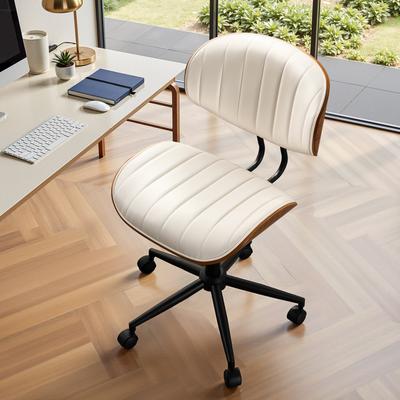
HOOOWOOO Modern Ergonomic Adjustable PU Curved Office ChairTransform your workspace with the Ergonomic Adjustable PU Curved Office Chair by HOOOWOOO. Featuring curved backrest and U-shaped design, this chair not only offer back and lumbar support, but also save space for more area.125,99 $*Shipping: 0,00 $Secure redirect to the provider



-
How can a woman marry without a Wali?
In Islamic tradition, a woman typically needs a Wali, or guardian, to represent her in the marriage contract. However, in cases where a woman does not have a Wali, she can appoint a trustworthy and reliable person to act as her Wali for the marriage. This person should be a practicing Muslim who has the woman's best interests at heart. It is important for the woman to ensure that the marriage contract is conducted in accordance with Islamic principles, even in the absence of a traditional Wali. **
-
How can a woman get married without a Wali?
In Islamic tradition, a woman typically needs a Wali, a male guardian, to oversee her marriage. However, if a woman does not have a Wali, she can appoint a trustworthy and knowledgeable Muslim man as her Wali. This man should act in her best interests and ensure that the marriage contract is conducted according to Islamic principles. It is important for the woman to seek guidance from knowledgeable individuals in her community to ensure that her marriage is valid and in accordance with Islamic teachings. **
-
Can an Islamic wedding take place without a Wali?
In Islamic tradition, the presence of a Wali, or guardian, is typically required for a marriage to be valid. The Wali is usually a male relative of the bride who acts on her behalf during the marriage contract negotiations. However, in some cases where a Wali is not available or suitable, Islamic scholars may allow for alternative arrangements to be made, such as appointing a trusted individual to act as the Wali. Ultimately, the goal is to ensure that the marriage is conducted in accordance with Islamic principles and that the rights and interests of the individuals involved are protected. **
-
How can an Islamic marriage be conducted without a Wali?
In Islamic law, a Wali (guardian) is typically required for the marriage contract to be valid. However, in some cases where a woman does not have a Wali, she may appoint a trusted individual to act as her Wali for the marriage contract. This person is known as a Wakil (representative) and can fulfill the role of the Wali in the marriage process. The Wakil should be someone who is knowledgeable about Islamic marriage laws and can represent the woman's best interests. It is important to note that the absence of a Wali should not be a barrier to a woman's right to marry, and Islamic scholars have provided guidance on how to navigate this situation within the framework of Islamic law. **
Do I need a Wali for an Islamic marriage (Nikkah)?
Yes, according to Islamic law, a Wali (guardian) is required for the marriage contract (Nikkah) of a woman. The Wali is typically the woman's father, but if he is unavailable, then another male relative such as a brother or uncle can act as her Wali. The Wali's role is to represent and protect the woman's interests in the marriage contract, ensuring that her rights are upheld. It is important to consult with a knowledgeable Islamic scholar or religious authority to ensure that the marriage is conducted in accordance with Islamic principles. **
How can a converted person perform a Nikah without a Wali?
In Islamic law, a Wali (guardian) is typically required for a woman to enter into a marriage contract. However, in some cases where a woman does not have a Muslim male guardian, she may appoint a trusted individual to act as her Wali. If a converted person does not have a Muslim Wali, they can seek guidance from a knowledgeable Islamic scholar or imam to appoint a suitable Wali for the Nikah. It is important for the converted person to ensure that the marriage contract is conducted in accordance with Islamic principles and local legal requirements. **
Top-Angebote
Products related to Wali:
-
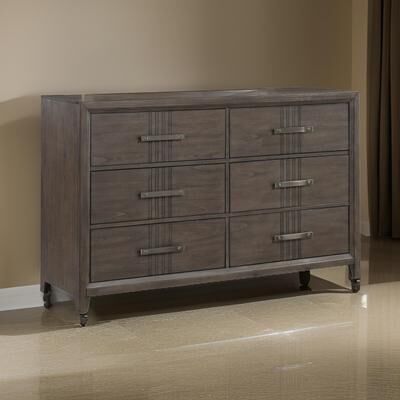
Benjara Wali 62 Inch Dresser, 6 Drawer, Black Handles, Modern Walnut Brown FinishOur Wali dresser is a harmonious blend of durability and sophistication, crafted with sturdy pine wood and adorned with mindy veneer for an extra touch of refinement.1361,24 $*Shipping: 0,00 $Secure redirect to the provider
-
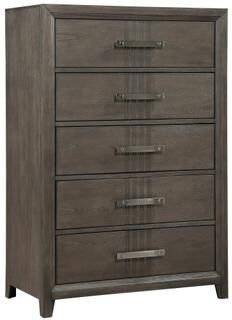
Benjara Wali 51 Inch Tall Dresser Chest, 5 Drawer, Black Handles, Walnut BrownSturdy and refined, this tall dresser chest is crafted from durable pine wood and features the subtle elegance of mindy veneer. With five drawers equipped with metal handles, accessing your belongings is a breeze.1156,03 $*Shipping: 0,00 $Secure redirect to the provider
-
HOOOWOOO Modern Ergonomic Adjustable PU Curved Office ChairTransform your workspace with the Ergonomic Adjustable PU Curved Office Chair by HOOOWOOO. Featuring curved backrest and U-shaped design, this chair not only offer back and lumbar support, but also save space for more area.125,99 $*Shipping: 0,00 $Secure redirect to the provider
-
Who else can be Wali?
In Sunni Islam, the concept of Wali is often associated with a pious and righteous person who is close to Allah. Besides the twelve Imams in Shia Islam, other individuals who can be considered Wali include scholars, saints, and spiritual leaders who have a deep connection with Allah and exhibit exemplary behavior. Ultimately, anyone who strives to follow the teachings of Islam, maintain a strong faith, and lead a righteous life can potentially be considered a Wali. **
-
Who else can be a Wali?
In Islam, a Wali is typically a male guardian who is responsible for the well-being of a woman, particularly in matters such as marriage. However, if a suitable male guardian is not available, a woman can appoint a trustworthy and pious Muslim man to act as her Wali. This person should be someone who has the woman's best interests at heart and can fulfill the responsibilities of a Wali in accordance with Islamic principles. Ultimately, the key qualities for a Wali are piety, trustworthiness, and a commitment to upholding the woman's rights and well-being. **
-
How can a woman marry without a Wali?
In Islamic tradition, a woman typically needs a Wali, or guardian, to represent her in the marriage contract. However, in cases where a woman does not have a Wali, she can appoint a trustworthy and reliable person to act as her Wali for the marriage. This person should be a practicing Muslim who has the woman's best interests at heart. It is important for the woman to ensure that the marriage contract is conducted in accordance with Islamic principles, even in the absence of a traditional Wali. **
-
How can a woman get married without a Wali?
In Islamic tradition, a woman typically needs a Wali, a male guardian, to oversee her marriage. However, if a woman does not have a Wali, she can appoint a trustworthy and knowledgeable Muslim man as her Wali. This man should act in her best interests and ensure that the marriage contract is conducted according to Islamic principles. It is important for the woman to seek guidance from knowledgeable individuals in her community to ensure that her marriage is valid and in accordance with Islamic teachings. **
Similar search terms for Wali
-
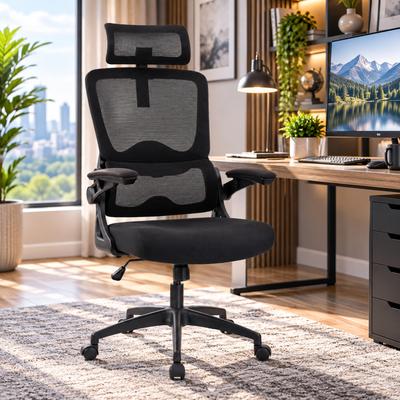
Modern Designs Ergonomic Mesh Office Chair, Adjustable Height, Tilt, Headrest & LumbarBring comfort and functionality to your workspace with this ergonomic mesh office chair. The breathable backrest promotes airflow, while the padded seat, adjustable headrest, and supportive armrests provide added comfort.193,99 $*Shipping: 0,00 $Secure redirect to the provider
-
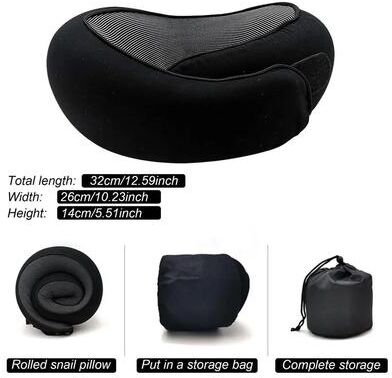
StayWell Memory Foam Travel Neck Pillow Compact & Ergonomic Comfort blackUpgrade your travel experience with our Memory Foam Travel Neck Pillow, designed for ultimate comfort and support. Whether you're on a long flight, road trip, or daily commute, this pillow ensures proper posture and prevents neck discomfort, so you...30,97 $*Shipping: 0,00 $Secure redirect to the provider
-
Can an Islamic wedding take place without a Wali?
In Islamic tradition, the presence of a Wali, or guardian, is typically required for a marriage to be valid. The Wali is usually a male relative of the bride who acts on her behalf during the marriage contract negotiations. However, in some cases where a Wali is not available or suitable, Islamic scholars may allow for alternative arrangements to be made, such as appointing a trusted individual to act as the Wali. Ultimately, the goal is to ensure that the marriage is conducted in accordance with Islamic principles and that the rights and interests of the individuals involved are protected. **
-
How can an Islamic marriage be conducted without a Wali?
In Islamic law, a Wali (guardian) is typically required for the marriage contract to be valid. However, in some cases where a woman does not have a Wali, she may appoint a trusted individual to act as her Wali for the marriage contract. This person is known as a Wakil (representative) and can fulfill the role of the Wali in the marriage process. The Wakil should be someone who is knowledgeable about Islamic marriage laws and can represent the woman's best interests. It is important to note that the absence of a Wali should not be a barrier to a woman's right to marry, and Islamic scholars have provided guidance on how to navigate this situation within the framework of Islamic law. **
-
Do I need a Wali for an Islamic marriage (Nikkah)?
Yes, according to Islamic law, a Wali (guardian) is required for the marriage contract (Nikkah) of a woman. The Wali is typically the woman's father, but if he is unavailable, then another male relative such as a brother or uncle can act as her Wali. The Wali's role is to represent and protect the woman's interests in the marriage contract, ensuring that her rights are upheld. It is important to consult with a knowledgeable Islamic scholar or religious authority to ensure that the marriage is conducted in accordance with Islamic principles. **
-
How can a converted person perform a Nikah without a Wali?
In Islamic law, a Wali (guardian) is typically required for a woman to enter into a marriage contract. However, in some cases where a woman does not have a Muslim male guardian, she may appoint a trusted individual to act as her Wali. If a converted person does not have a Muslim Wali, they can seek guidance from a knowledgeable Islamic scholar or imam to appoint a suitable Wali for the Nikah. It is important for the converted person to ensure that the marriage contract is conducted in accordance with Islamic principles and local legal requirements. **
* All prices are inclusive of VAT and, if applicable, plus shipping costs. The offer information is based on the details provided by the respective shop and is updated through automated processes. Real-time updates do not occur, so deviations can occur in individual cases. ** Note: Parts of this content were created by AI.