Buy wcsitz.eu ?
We are moving the project
wcsitz.eu .
Are you interested in purchasing the domain
wcsitz.eu ?
domain@kv-gmbh.de · 0541-91531010
Buy wcsitz.eu ?
On what paper are state treaties printed?
State treaties are typically printed on high-quality, archival paper to ensure their longevity and preservation. This paper is often acid-free and made from natural fibers to prevent deterioration over time. The use of such paper reflects the importance and significance of state treaties as legal and historical documents. **
What were the positions of the Locarno Treaties?
The Locarno Treaties, signed in 1925, aimed to secure post-World War I peace in Europe. The main positions of the treaties were to guarantee the existing borders between France, Belgium, and Germany, and to establish a new eastern border of Germany with Poland. Additionally, the treaties sought to promote mutual understanding and cooperation between the signatory countries, and to create a framework for resolving disputes through peaceful means. The treaties were seen as a significant step towards stabilizing the political situation in Europe and reducing the risk of future conflicts. **

Similar search terms for Treaties
Top-Angebote
Products related to Treaties:
-
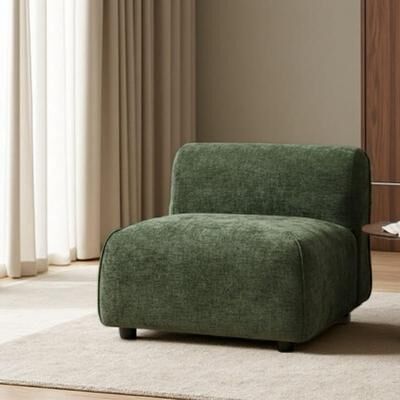
Curved Modern Upholstered Accent Armchair, Compact Space-Saving Lounge Chair with Ergonomic Contoured BackrestBring sculptural comfort and modern elegance into your home with this beautifully curved accent chair designed for effortless relaxation.365,99 $*Shipping: 0,00 $Secure redirect to the provider
-
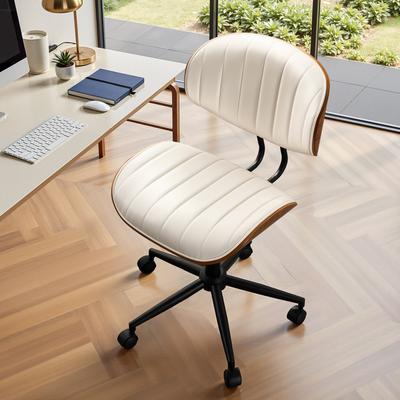
GREATPLANINC Stylish Office Chair Ergonomic Chair Vanity Chair with Adjustable Height Swivel Chair Executive Chair for BedroomThe wider and deeper seat design ensures ample space, while the 40° reclining chassis allows you to relax during breaks. Built with a sturdy 320mm base, this chair offers both style and stability for any workspace.163,49 $*Shipping: 0,00 $Secure redirect to the provider
-
iBathUK Aventa Wall Hung Modern Square Ceramic Cloakroom Basin, Durable and Stylish Ceramic Basin Natural 360mm WThe iBathUK Aventa Modern Wall Hung Rectangular Counter Top Ceramic Wash Basin Sink is a sleek and versatile addition to contemporary bathrooms, cloakrooms, or en-suites. Its wall-hung design creates a floating effect that maximises floor space while enhancing the modern aesthetic of your bathroom. Made from high-quality gloss white ceramic, the basin is durable, resistant to scratches and stains, and retains a polished finish over time. Its rectangular shape adds a contemporary edge and provides a spacious surface for practical daily use. Designed for both countertop and wall-mounted installation, this basin suits a wide range of bathroom layouts. Its compact dimensions make it ideal for smaller spaces while maintaining style and functionality. The premium ceramic construction ensures long-lasting durability and easy maintenance, making it a practical and stylish choice for modern homes. Key Features: 1. Durable Ceramic Construction: Crafted from premium gloss white ceramic, the basin is built to withstand daily use, resisting scratches, stains, and minor impacts while maintaining a pristine appearance. 2. Versatile Installation Options: With dimensions of H13 x W36 x D51 cm and a lightweight design of 11.5kg, it can be installed as a wall-hung or countertop basin, offering flexibility for various bathroom layouts. 3. Functional Tap and Waste Setup: The basin includes a 35mm tap hole, 45mm waste hole, and a 45x8mm overflow hole, providing reliable water management and compatibility with standard fittings. 4. Modern Rectangular Design: The clean, sharp lines of the rectangular basin give your bathroom a contemporary and sophisticated look, complementing minimalist décor schemes. 5. Hygienic and Easy to Maintain: The high-gloss glazed surface is effortless to clean, helping maintain a polished and hygienic bathroom environment with minimal effort. iBathUK46,99 £*Shipping: 4,99 £Secure redirect to the provider


-
What led to the end of the Locarno Treaties?
The end of the Locarno Treaties can be attributed to several factors. One of the main reasons was the rise of Adolf Hitler and the Nazi party in Germany, which led to a shift in German foreign policy and a desire to revise the terms of the treaties. Additionally, the failure of the international community to effectively respond to German rearmament and expansionist policies further undermined the stability and effectiveness of the treaties. The remilitarization of the Rhineland by Germany in 1936 directly violated the terms of the Locarno Treaties and effectively marked their end. **
-
What is the difference between the two state treaties?
The two-state treaties refer to agreements between two sovereign states. The main difference between the two state treaties lies in their scope and subject matter. Bilateral treaties are agreements between two states, while multilateral treaties involve three or more states. Additionally, bilateral treaties tend to focus on specific issues between the two states, such as trade, extradition, or defense, while multilateral treaties address broader issues that affect multiple states, such as human rights, environmental protection, or arms control. **
-
Why did Hitler only conclude bilateral and not multilateral treaties?
Hitler only concluded bilateral treaties because he wanted to maintain maximum flexibility and control over his foreign policy. By negotiating one-on-one with individual countries, he could tailor the terms of the treaties to best serve his own interests and avoid being constrained by the obligations of multilateral agreements. Additionally, bilateral treaties allowed Hitler to exploit divisions and rivalries among other countries, playing them off against each other to his advantage. This approach also allowed him to pursue his aggressive expansionist goals without having to seek consensus or approval from a larger group of nations. **
-
What are the main provisions of the Treaties of Rapallo and Locarno?
The Treaties of Rapallo, signed in 1922 between Germany and the Soviet Union, established diplomatic and economic relations between the two countries. It also allowed for military cooperation, which helped both countries circumvent the restrictions of the Treaty of Versailles. On the other hand, the Locarno Treaties, signed in 1925, aimed to secure post-World War I territorial settlements in Western Europe. It guaranteed the borders between Germany, France, and Belgium, and promoted a spirit of reconciliation and cooperation in the region. **


In your opinion, are the treaties of the First World War justified?
In my opinion, the treaties of the First World War were not entirely justified. The Treaty of Versailles, in particular, imposed harsh and punitive terms on Germany, which many historians argue contributed to the rise of Adolf Hitler and the outbreak of the Second World War. Additionally, the treaties did not fully address the underlying causes of the war, such as nationalism and imperialism, and failed to establish a lasting peace in Europe. While it was important to hold the aggressor nations accountable for their actions, the treaties ultimately created conditions that led to further conflict rather than promoting long-term stability. **
What are the three most important Ostpolitik treaties of the Brandt government?
The three most important Ostpolitik treaties of the Brandt government were the Treaty of Moscow (1970), the Treaty of Warsaw (1970), and the Four Power Agreement on Berlin (1971). The Treaty of Moscow recognized the Oder-Neisse line as the official border between Germany and Poland, marking a significant step towards reconciliation and normalization of relations between the two countries. The Treaty of Warsaw reaffirmed the border and committed both countries to peaceful coexistence and cooperation. The Four Power Agreement on Berlin helped to ease tensions in the divided city and improve communication and travel between East and West Berlin. These treaties were crucial in fostering a new era of detente and cooperation between East and West Germany and their neighboring countries. **
Top-Angebote
Products related to Treaties:
-
HOOOWOOO Modern Ergonomic Adjustable PU Curved Office ChairTransform your workspace with the Ergonomic Adjustable PU Curved Office Chair by HOOOWOOO. Featuring curved backrest and U-shaped design, this chair not only offer back and lumbar support, but also save space for more area.125,99 $*Shipping: 0,00 $Secure redirect to the provider
-
Curved Modern Upholstered Accent Armchair, Compact Space-Saving Lounge Chair with Ergonomic Contoured BackrestBring sculptural comfort and modern elegance into your home with this beautifully curved accent chair designed for effortless relaxation.365,99 $*Shipping: 0,00 $Secure redirect to the provider
-
GREATPLANINC Stylish Office Chair Ergonomic Chair Vanity Chair with Adjustable Height Swivel Chair Executive Chair for BedroomThe wider and deeper seat design ensures ample space, while the 40° reclining chassis allows you to relax during breaks. Built with a sturdy 320mm base, this chair offers both style and stability for any workspace.163,49 $*Shipping: 0,00 $Secure redirect to the provider
-
On what paper are state treaties printed?
State treaties are typically printed on high-quality, archival paper to ensure their longevity and preservation. This paper is often acid-free and made from natural fibers to prevent deterioration over time. The use of such paper reflects the importance and significance of state treaties as legal and historical documents. **
-
What were the positions of the Locarno Treaties?
The Locarno Treaties, signed in 1925, aimed to secure post-World War I peace in Europe. The main positions of the treaties were to guarantee the existing borders between France, Belgium, and Germany, and to establish a new eastern border of Germany with Poland. Additionally, the treaties sought to promote mutual understanding and cooperation between the signatory countries, and to create a framework for resolving disputes through peaceful means. The treaties were seen as a significant step towards stabilizing the political situation in Europe and reducing the risk of future conflicts. **
-
What led to the end of the Locarno Treaties?
The end of the Locarno Treaties can be attributed to several factors. One of the main reasons was the rise of Adolf Hitler and the Nazi party in Germany, which led to a shift in German foreign policy and a desire to revise the terms of the treaties. Additionally, the failure of the international community to effectively respond to German rearmament and expansionist policies further undermined the stability and effectiveness of the treaties. The remilitarization of the Rhineland by Germany in 1936 directly violated the terms of the Locarno Treaties and effectively marked their end. **
-
What is the difference between the two state treaties?
The two-state treaties refer to agreements between two sovereign states. The main difference between the two state treaties lies in their scope and subject matter. Bilateral treaties are agreements between two states, while multilateral treaties involve three or more states. Additionally, bilateral treaties tend to focus on specific issues between the two states, such as trade, extradition, or defense, while multilateral treaties address broader issues that affect multiple states, such as human rights, environmental protection, or arms control. **
Similar search terms for Treaties
-
iBathUK Aventa Wall Hung Modern Square Ceramic Cloakroom Basin, Durable and Stylish Ceramic Basin Natural 360mm WThe iBathUK Aventa Modern Wall Hung Rectangular Counter Top Ceramic Wash Basin Sink is a sleek and versatile addition to contemporary bathrooms, cloakrooms, or en-suites. Its wall-hung design creates a floating effect that maximises floor space while enhancing the modern aesthetic of your bathroom. Made from high-quality gloss white ceramic, the basin is durable, resistant to scratches and stains, and retains a polished finish over time. Its rectangular shape adds a contemporary edge and provides a spacious surface for practical daily use. Designed for both countertop and wall-mounted installation, this basin suits a wide range of bathroom layouts. Its compact dimensions make it ideal for smaller spaces while maintaining style and functionality. The premium ceramic construction ensures long-lasting durability and easy maintenance, making it a practical and stylish choice for modern homes. Key Features: 1. Durable Ceramic Construction: Crafted from premium gloss white ceramic, the basin is built to withstand daily use, resisting scratches, stains, and minor impacts while maintaining a pristine appearance. 2. Versatile Installation Options: With dimensions of H13 x W36 x D51 cm and a lightweight design of 11.5kg, it can be installed as a wall-hung or countertop basin, offering flexibility for various bathroom layouts. 3. Functional Tap and Waste Setup: The basin includes a 35mm tap hole, 45mm waste hole, and a 45x8mm overflow hole, providing reliable water management and compatibility with standard fittings. 4. Modern Rectangular Design: The clean, sharp lines of the rectangular basin give your bathroom a contemporary and sophisticated look, complementing minimalist décor schemes. 5. Hygienic and Easy to Maintain: The high-gloss glazed surface is effortless to clean, helping maintain a polished and hygienic bathroom environment with minimal effort. iBathUK46,99 £*Shipping: 4,99 £Secure redirect to the provider
-
GREATPLANINC Stylish Swivel Chair Office Chair Ergonomic Chair with Curved Seat and Adjustable Height Executive Chair Vanity Chair,BrownElevate your workspace with this sleek swivel chair, combining comfort and style with its curved seat and soft faux leather upholstery.115,98 $*Shipping: 0,00 $Secure redirect to the provider
-
HOOOWOOO Modern Ergonomic Adjustable PU Curved Office ChairTransform your workspace with the Ergonomic Adjustable PU Curved Office Chair by HOOOWOOO. Featuring curved backrest and U-shaped design, this chair not only offer back and lumbar support, but also save space for more area.122,21 $*Shipping: 0,00 $Secure redirect to the provider
-
Why did Hitler only conclude bilateral and not multilateral treaties?
Hitler only concluded bilateral treaties because he wanted to maintain maximum flexibility and control over his foreign policy. By negotiating one-on-one with individual countries, he could tailor the terms of the treaties to best serve his own interests and avoid being constrained by the obligations of multilateral agreements. Additionally, bilateral treaties allowed Hitler to exploit divisions and rivalries among other countries, playing them off against each other to his advantage. This approach also allowed him to pursue his aggressive expansionist goals without having to seek consensus or approval from a larger group of nations. **
-
What are the main provisions of the Treaties of Rapallo and Locarno?
The Treaties of Rapallo, signed in 1922 between Germany and the Soviet Union, established diplomatic and economic relations between the two countries. It also allowed for military cooperation, which helped both countries circumvent the restrictions of the Treaty of Versailles. On the other hand, the Locarno Treaties, signed in 1925, aimed to secure post-World War I territorial settlements in Western Europe. It guaranteed the borders between Germany, France, and Belgium, and promoted a spirit of reconciliation and cooperation in the region. **
-
In your opinion, are the treaties of the First World War justified?
In my opinion, the treaties of the First World War were not entirely justified. The Treaty of Versailles, in particular, imposed harsh and punitive terms on Germany, which many historians argue contributed to the rise of Adolf Hitler and the outbreak of the Second World War. Additionally, the treaties did not fully address the underlying causes of the war, such as nationalism and imperialism, and failed to establish a lasting peace in Europe. While it was important to hold the aggressor nations accountable for their actions, the treaties ultimately created conditions that led to further conflict rather than promoting long-term stability. **
-
What are the three most important Ostpolitik treaties of the Brandt government?
The three most important Ostpolitik treaties of the Brandt government were the Treaty of Moscow (1970), the Treaty of Warsaw (1970), and the Four Power Agreement on Berlin (1971). The Treaty of Moscow recognized the Oder-Neisse line as the official border between Germany and Poland, marking a significant step towards reconciliation and normalization of relations between the two countries. The Treaty of Warsaw reaffirmed the border and committed both countries to peaceful coexistence and cooperation. The Four Power Agreement on Berlin helped to ease tensions in the divided city and improve communication and travel between East and West Berlin. These treaties were crucial in fostering a new era of detente and cooperation between East and West Germany and their neighboring countries. **
* All prices are inclusive of VAT and, if applicable, plus shipping costs. The offer information is based on the details provided by the respective shop and is updated through automated processes. Real-time updates do not occur, so deviations can occur in individual cases. ** Note: Parts of this content were created by AI.