Buy wcsitz.eu ?
We are moving the project
wcsitz.eu .
Are you interested in purchasing the domain
wcsitz.eu ?
domain@kv-gmbh.de · 0541-91531010
Buy wcsitz.eu ?
Can wallpaper be plastered?
No, wallpaper cannot be plastered. Plastering is the process of applying a layer of plaster to a wall to create a smooth surface, while wallpaper is a decorative material that is applied over a prepared wall surface. Plastering is typically done to repair or prepare a wall for painting, while wallpaper is applied as a decorative finish. Therefore, the two processes are not interchangeable. **
Is there a difference between a plastered foot and a plastered leg with crutches?
Yes, there is a difference between having a plastered foot and a plastered leg with crutches. A plastered foot typically restricts movement and weight-bearing on that specific foot, while a plastered leg with crutches allows for some mobility by transferring weight to the crutches. The use of crutches can help distribute weight more evenly and reduce strain on the injured leg, providing more support and stability compared to a plastered foot alone. **
Similar search terms for Plastered
Top-Angebote
Products related to Plastered:
-
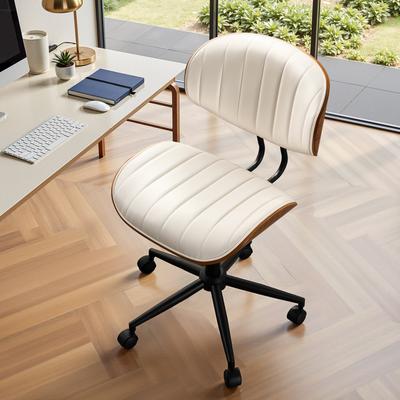
HOOOWOOO Modern Ergonomic Adjustable PU Curved Office ChairTransform your workspace with the Ergonomic Adjustable PU Curved Office Chair by HOOOWOOO. Featuring curved backrest and U-shaped design, this chair not only offer back and lumbar support, but also save space for more area.125,99 $*Shipping: 0,00 $Secure redirect to the provider
-
ModernMart Modern Zinc Alloy Drawer Handles For Cabinets Stylish Durable Furniture Pulls Modern Zinc Alloy Drawer Handles For Cabinets Stylish Durable Furniture PullsEnhance your space with a simple upgrade that makes a big visual impact. These zinc alloy drawer handles are designed for homeowners and DIY enthusiasts who want to refresh furniture without a full renovation. Crafted for durability and style, they...39,97 $*Shipping: 0,00 $Secure redirect to the provider


-
Why is an exterior wall plastered?
An exterior wall is plastered to provide protection against weather elements such as rain, wind, and sunlight. Plastering helps to create a smooth and even surface, which can improve the appearance of the building. Additionally, plastering can also help to improve the insulation properties of the wall, making the building more energy efficient. Overall, plastering an exterior wall helps to enhance the durability, aesthetics, and performance of the building. **
-
How do I smooth plastered walls?
To smooth plastered walls, start by sanding the surface with fine-grit sandpaper to remove any bumps or imperfections. Once the surface is smooth, wipe it down with a damp cloth to remove any dust. Next, apply a thin coat of plaster or joint compound to fill in any remaining imperfections, and then sand the surface again once it's dry. Finally, apply a primer and then paint the walls for a smooth and polished finish. **
-
How are electrical cables plastered in?
Electrical cables are typically plastered into walls by first securing them to the wall studs or joists using cable staples or clips. Once the cables are in place, the wall is then covered with drywall or plaster. The cables are then hidden within the wall and the drywall or plaster is finished to create a smooth surface. This ensures that the cables are securely held in place and hidden from view. **
-
Should the facade be plastered in color or should the facade be plastered and then painted separately?
Plastering the facade in color can provide a more uniform and seamless finish, as the color is integrated into the plaster itself. However, painting the plastered facade separately allows for more flexibility in choosing different colors and changing the color in the future. It ultimately depends on the desired aesthetic and long-term maintenance considerations. **


How can one repair a plastered wall?
To repair a plastered wall, start by removing any loose or damaged plaster using a putty knife or scraper. Next, clean the area thoroughly and apply a bonding agent to help the new plaster adhere to the existing surface. Mix up a batch of plaster according to the manufacturer's instructions and apply it to the damaged area, smoothing it out with a trowel. Allow the plaster to dry completely before sanding it down and painting or finishing as needed. **
How do I renovate poorly plastered walls?
To renovate poorly plastered walls, you can start by scraping off any loose or flaking plaster using a putty knife. Next, apply a bonding agent to help the new plaster adhere to the old surface. Then, re-plaster the walls using a plaster mix, making sure to smooth it out evenly. Once the plaster is dry, sand it down to create a smooth finish before painting or wallpapering the walls. **
Top-Angebote
Products related to Plastered:
-
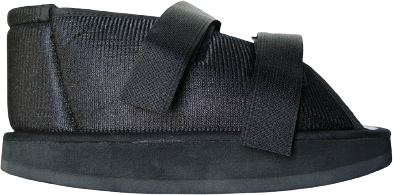
Herbi Feet Plastered Shoe SHealth and Beauty Orthopedics Herbi Feet Plastered Shoe S Wide shoe that allows the use combined with the application of bandages and plasters. Insulated sole and velcro closures for easy application and adjustable positioning. Also indicated for post-operative processes of the foot. Tilting and anti-slip sole. Adjustable by velcro fastening tapes.9,23 £*Shipping: 4,99 £Secure redirect to the provider
-
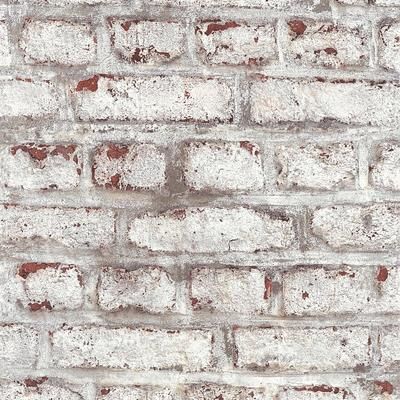
Galerie Wallcoverings Bricks and More Collection Distressed Plastered Brick Matte Finish Vinyl on Non-woven Wallpaper RollDiscover The Bricks and More Collection, where rustic charm meets modern elegance. This collection features a variety of brick styles, including rustic, aged effects to modern, uniformed finishes.202,58 $*Shipping: 0,00 $Secure redirect to the provider
-
HOOOWOOO Modern Ergonomic Adjustable PU Curved Office ChairTransform your workspace with the Ergonomic Adjustable PU Curved Office Chair by HOOOWOOO. Featuring curved backrest and U-shaped design, this chair not only offer back and lumbar support, but also save space for more area.125,99 $*Shipping: 0,00 $Secure redirect to the provider
-
Can wallpaper be plastered?
No, wallpaper cannot be plastered. Plastering is the process of applying a layer of plaster to a wall to create a smooth surface, while wallpaper is a decorative material that is applied over a prepared wall surface. Plastering is typically done to repair or prepare a wall for painting, while wallpaper is applied as a decorative finish. Therefore, the two processes are not interchangeable. **
-
Is there a difference between a plastered foot and a plastered leg with crutches?
Yes, there is a difference between having a plastered foot and a plastered leg with crutches. A plastered foot typically restricts movement and weight-bearing on that specific foot, while a plastered leg with crutches allows for some mobility by transferring weight to the crutches. The use of crutches can help distribute weight more evenly and reduce strain on the injured leg, providing more support and stability compared to a plastered foot alone. **
-
Why is an exterior wall plastered?
An exterior wall is plastered to provide protection against weather elements such as rain, wind, and sunlight. Plastering helps to create a smooth and even surface, which can improve the appearance of the building. Additionally, plastering can also help to improve the insulation properties of the wall, making the building more energy efficient. Overall, plastering an exterior wall helps to enhance the durability, aesthetics, and performance of the building. **
-
How do I smooth plastered walls?
To smooth plastered walls, start by sanding the surface with fine-grit sandpaper to remove any bumps or imperfections. Once the surface is smooth, wipe it down with a damp cloth to remove any dust. Next, apply a thin coat of plaster or joint compound to fill in any remaining imperfections, and then sand the surface again once it's dry. Finally, apply a primer and then paint the walls for a smooth and polished finish. **
Similar search terms for Plastered
-
ModernMart Modern Zinc Alloy Drawer Handles For Cabinets Stylish Durable Furniture Pulls Modern Zinc Alloy Drawer Handles For Cabinets Stylish Durable Furniture PullsEnhance your space with a simple upgrade that makes a big visual impact. These zinc alloy drawer handles are designed for homeowners and DIY enthusiasts who want to refresh furniture without a full renovation. Crafted for durability and style, they...39,97 $*Shipping: 0,00 $Secure redirect to the provider
-
Modern Mode Marketplace Compact Pocket Tool Durable Multi Tool Keychain For Everyday Carry & Outdoor Gear Compact Pocket Tool Durable Multi Tool Keychain For Everyday Carry & Outdoor GearEveryday adventures deserve dependable gear, and this Compact 10in1 EDC pocket tool is designed to be the onethingyoullactuallyuse every day. Sleek and rugged, it brings ten essential functions into a pocketsized companion that fits right on your...29,97 $*Shipping: 0,00 $Secure redirect to the provider
-
How are electrical cables plastered in?
Electrical cables are typically plastered into walls by first securing them to the wall studs or joists using cable staples or clips. Once the cables are in place, the wall is then covered with drywall or plaster. The cables are then hidden within the wall and the drywall or plaster is finished to create a smooth surface. This ensures that the cables are securely held in place and hidden from view. **
-
Should the facade be plastered in color or should the facade be plastered and then painted separately?
Plastering the facade in color can provide a more uniform and seamless finish, as the color is integrated into the plaster itself. However, painting the plastered facade separately allows for more flexibility in choosing different colors and changing the color in the future. It ultimately depends on the desired aesthetic and long-term maintenance considerations. **
-
How can one repair a plastered wall?
To repair a plastered wall, start by removing any loose or damaged plaster using a putty knife or scraper. Next, clean the area thoroughly and apply a bonding agent to help the new plaster adhere to the existing surface. Mix up a batch of plaster according to the manufacturer's instructions and apply it to the damaged area, smoothing it out with a trowel. Allow the plaster to dry completely before sanding it down and painting or finishing as needed. **
-
How do I renovate poorly plastered walls?
To renovate poorly plastered walls, you can start by scraping off any loose or flaking plaster using a putty knife. Next, apply a bonding agent to help the new plaster adhere to the old surface. Then, re-plaster the walls using a plaster mix, making sure to smooth it out evenly. Once the plaster is dry, sand it down to create a smooth finish before painting or wallpapering the walls. **
* All prices are inclusive of VAT and, if applicable, plus shipping costs. The offer information is based on the details provided by the respective shop and is updated through automated processes. Real-time updates do not occur, so deviations can occur in individual cases. ** Note: Parts of this content were created by AI.