Buy wcsitz.eu ?
We are moving the project
wcsitz.eu .
Are you interested in purchasing the domain
wcsitz.eu ?
domain@kv-gmbh.de · 0541-91531010
Buy wcsitz.eu ?
Who has experience with Lioran Passionflower?
Individuals who have used Lioran Passionflower supplements or products would have experience with this particular brand. They may have tried it for its potential calming and relaxation effects, as Passionflower is commonly used for its anxiolytic properties. People who have researched or used herbal remedies for anxiety or sleep issues may also have come across Lioran Passionflower. **
Are passionflower and cotoneaster toxic to rabbits?
Yes, both passionflower and cotoneaster are toxic to rabbits. These plants contain compounds that can be harmful to rabbits if ingested, causing symptoms such as gastrointestinal upset, difficulty breathing, and even more severe reactions in some cases. It is important to keep these plants out of reach of rabbits to prevent accidental ingestion and potential harm to the animals. **

Similar search terms for Passionflower
Top-Angebote
Products related to Passionflower:
-
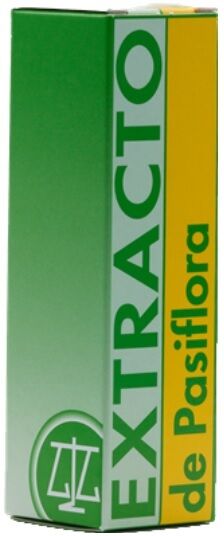
Equisalud Passionflower extract 31 mlNutrition and Supplements Natural Extracts Equisalud Passionflower extract 31 ml Take 3 times per day. Always dissolve drops in half a glass of water. Adults and children over 10 years, 30 drops. Over 6 months, 2 to 3 drops. Over 2 years, 5 drops. Over 5 years, 10 drops. - 31ml.8,17 £*Shipping: 3,99 £Secure redirect to the provider

-
How is the growth of the passionflower?
The passionflower is a fast-growing vine that can reach up to 20 feet in a single growing season under optimal conditions. It is known for its vigorous growth and ability to cover arbors, fences, and trellises quickly. The plant produces intricate and colorful flowers that are a delight to behold, attracting pollinators like bees and butterflies. With proper care and support, the passionflower can establish itself and spread rapidly in a garden or landscape. **
-
'How do I take care of my passionflower?'
To take care of your passionflower, make sure it is planted in well-draining soil and receives plenty of sunlight. Water the plant regularly, keeping the soil evenly moist but not waterlogged. Fertilize the passionflower with a balanced fertilizer during the growing season. Prune the plant as needed to maintain its shape and remove any dead or damaged growth. Finally, protect the passionflower from extreme temperatures and pests, and provide support for its climbing vines if necessary. **
-
Do you have experience with the passionflower (Passiflora incarnata)?
As an AI, I do not have personal experiences, but I can provide information about the passionflower (Passiflora incarnata). It is a plant commonly used for its calming and sedative effects, and it has been traditionally used to treat anxiety, insomnia, and other nervous disorders. Some people use it as a natural remedy for these conditions, and it is available in various forms such as teas, tinctures, and supplements. However, it's important to consult with a healthcare professional before using passionflower, especially if you have any existing medical conditions or are taking other medications. **
-
What is the difference between Neurapas Balance and passionflower extract?
Neurapas Balance is a combination herbal supplement containing St. John's Wort, Valerian, and Passionflower extracts, while passionflower extract is a standalone herbal supplement derived specifically from the passionflower plant. Neurapas Balance is formulated to support emotional balance and relaxation, while passionflower extract is commonly used for its calming and anxiety-reducing effects. Neurapas Balance may have a more comprehensive approach to promoting mental well-being due to its combination of ingredients, whereas passionflower extract specifically targets anxiety and stress relief. **


What is the interaction between passionflower and the SSRI Paroxetine?
Passionflower is a natural remedy that is sometimes used to help with anxiety and insomnia. When taken in combination with the SSRI Paroxetine, there is a potential for increased side effects such as dizziness, drowsiness, and difficulty concentrating. It is important to consult with a healthcare provider before combining these two substances to ensure there are no adverse interactions. **
What is the interaction between the passionflower and the SSRI Paroxetine?
Passionflower may interact with the SSRI Paroxetine by increasing the risk of serotonin syndrome, a potentially life-threatening condition. Both passionflower and Paroxetine can increase serotonin levels in the brain, and when taken together, this can lead to an excessive accumulation of serotonin. Symptoms of serotonin syndrome include agitation, confusion, rapid heart rate, and high blood pressure. It is important to consult with a healthcare professional before combining passionflower and Paroxetine to avoid potential adverse effects. **
Top-Angebote
Products related to Passionflower:
-
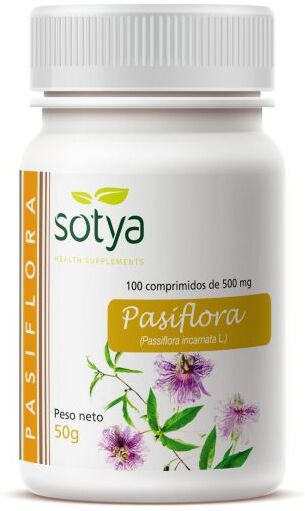
Sotya Passionflower 100 CompNutrition and Supplements Natural Extracts Sotya Passionflower 100 Comp Benefits: - Sedative, against insomnia - Antispasmodic effect - Against hypertension It has a sedative action, which is why it is used in drug and alcohol detoxification treatments; Due to its calming effect, the patient tolerates the withdrawal syndrome better. Also related to the sedative effect is the ability of passion flower to decrease the frequency and intensity of epileptic seizures.2,70 £*Shipping: 3,99 £Secure redirect to the provider
-
Santiveri Passionflower 40 CapsulesNutrition and Supplements Natural Extracts Santiveri Passionflower 40 Capsules Passionflower has been formulated with 100% natural raw materials by Santiveri to offer you the best service and care. Thus, Passionflower's compounds are intended to contribute to relaxation and regulation of the nervous system, something tremendously useful in situations of stress or anxiety. Instructions for Use: Take 2 capsules daily. They can be taken together at any time of day, or separately, one in the morning and one in the afternoon/evening.10,14 £*Shipping: 3,99 £Secure redirect to the provider
-
Who has experience with Lioran Passionflower?
Individuals who have used Lioran Passionflower supplements or products would have experience with this particular brand. They may have tried it for its potential calming and relaxation effects, as Passionflower is commonly used for its anxiolytic properties. People who have researched or used herbal remedies for anxiety or sleep issues may also have come across Lioran Passionflower. **
-
Are passionflower and cotoneaster toxic to rabbits?
Yes, both passionflower and cotoneaster are toxic to rabbits. These plants contain compounds that can be harmful to rabbits if ingested, causing symptoms such as gastrointestinal upset, difficulty breathing, and even more severe reactions in some cases. It is important to keep these plants out of reach of rabbits to prevent accidental ingestion and potential harm to the animals. **
-
How is the growth of the passionflower?
The passionflower is a fast-growing vine that can reach up to 20 feet in a single growing season under optimal conditions. It is known for its vigorous growth and ability to cover arbors, fences, and trellises quickly. The plant produces intricate and colorful flowers that are a delight to behold, attracting pollinators like bees and butterflies. With proper care and support, the passionflower can establish itself and spread rapidly in a garden or landscape. **
-
'How do I take care of my passionflower?'
To take care of your passionflower, make sure it is planted in well-draining soil and receives plenty of sunlight. Water the plant regularly, keeping the soil evenly moist but not waterlogged. Fertilize the passionflower with a balanced fertilizer during the growing season. Prune the plant as needed to maintain its shape and remove any dead or damaged growth. Finally, protect the passionflower from extreme temperatures and pests, and provide support for its climbing vines if necessary. **
Similar search terms for Passionflower
-
Equisalud Passionflower extract 31 mlNutrition and Supplements Natural Extracts Equisalud Passionflower extract 31 ml Take 3 times per day. Always dissolve drops in half a glass of water. Adults and children over 10 years, 30 drops. Over 6 months, 2 to 3 drops. Over 2 years, 5 drops. Over 5 years, 10 drops. - 31ml.8,17 £*Shipping: 3,99 £Secure redirect to the provider
-
Fleurance Nature Valerian Hawthorn Bio PassionflowerNutrition and Supplements Natural Extracts Fleurance Nature Valerian Hawthorn Bio Passionflower For a peaceful and restful sleep: -For quiet and restorative nights -Good quality natural sleep -Indicated for children from 12 years old Combination of 3 plants from Organic Agriculture Does not produce addiction LA VALERIANA Already in ancient times, Hippocrates recommended the valerian to combat sleep problems. Used for its calming properties, Valerian roots are known to maintain good quality natural sleep and help keep you calm in the event of stress. Known for contributing to mental and physical well-being. WHITE HAWTH FLOWERS Contain active ingredients that help you sleep better by reducing agitation in particular. The flowers and fruits of hawthorn contain many active ingredients and especially flavonoids, triterpenic derivatives and sterols. Known for supporting heart functions, increasing oxygen flow, improving blood circulation, regulating heart activity, helping to get a good night's sleep, relax and calm. THE PASSIFLOWER The aerial parts of passionflower traditionally used complement this formula. Used by the Aztecs in the 15th century for its soothing properties How to use: 60 tablets 30 days - 2 cp / day Take for 1 month6,84 £*Shipping: 3,99 £Secure redirect to the provider
-
Drasanvi Passionflower glycerine 50ml botanical bioNutrition and Supplements Natural Extracts Drasanvi Passionflower glycerine 50ml botanical bio Passionflower is a plant that produces striking flowers and a delicious fruit; the passion fruit. Passion flower’s aerial parts are rich in bioactive compounds such as Flavonoids, Phenols and Essential Oils, and have long been used to help with rest and relaxation. We have selected a Passionflower Glycerinated Extract with a 1:4 ratio. This means that for each gram of Extract we have used 4 grams of fresh plant. Our Passionflower Glycerinated Extract is titrated in Harman 0,02 mg/ml, providing 0,06 mg per day8,38 £*Shipping: 3,99 £Secure redirect to the provider
-
Do you have experience with the passionflower (Passiflora incarnata)?
As an AI, I do not have personal experiences, but I can provide information about the passionflower (Passiflora incarnata). It is a plant commonly used for its calming and sedative effects, and it has been traditionally used to treat anxiety, insomnia, and other nervous disorders. Some people use it as a natural remedy for these conditions, and it is available in various forms such as teas, tinctures, and supplements. However, it's important to consult with a healthcare professional before using passionflower, especially if you have any existing medical conditions or are taking other medications. **
-
What is the difference between Neurapas Balance and passionflower extract?
Neurapas Balance is a combination herbal supplement containing St. John's Wort, Valerian, and Passionflower extracts, while passionflower extract is a standalone herbal supplement derived specifically from the passionflower plant. Neurapas Balance is formulated to support emotional balance and relaxation, while passionflower extract is commonly used for its calming and anxiety-reducing effects. Neurapas Balance may have a more comprehensive approach to promoting mental well-being due to its combination of ingredients, whereas passionflower extract specifically targets anxiety and stress relief. **
-
What is the interaction between passionflower and the SSRI Paroxetine?
Passionflower is a natural remedy that is sometimes used to help with anxiety and insomnia. When taken in combination with the SSRI Paroxetine, there is a potential for increased side effects such as dizziness, drowsiness, and difficulty concentrating. It is important to consult with a healthcare provider before combining these two substances to ensure there are no adverse interactions. **
-
What is the interaction between the passionflower and the SSRI Paroxetine?
Passionflower may interact with the SSRI Paroxetine by increasing the risk of serotonin syndrome, a potentially life-threatening condition. Both passionflower and Paroxetine can increase serotonin levels in the brain, and when taken together, this can lead to an excessive accumulation of serotonin. Symptoms of serotonin syndrome include agitation, confusion, rapid heart rate, and high blood pressure. It is important to consult with a healthcare professional before combining passionflower and Paroxetine to avoid potential adverse effects. **
* All prices are inclusive of VAT and, if applicable, plus shipping costs. The offer information is based on the details provided by the respective shop and is updated through automated processes. Real-time updates do not occur, so deviations can occur in individual cases. ** Note: Parts of this content were created by AI.