Buy wcsitz.eu ?
We are moving the project
wcsitz.eu .
Are you interested in purchasing the domain
wcsitz.eu ?
domain@kv-gmbh.de · 0541-91531010
Buy wcsitz.eu ?
Why do we call the present time modern/early modern and not the modern middle ages or simply middle ages?
We call the present time modern or early modern because it is characterized by significant advancements in technology, science, and social organization. The term "modern" reflects the rapid changes and progress that have occurred in recent centuries. On the other hand, the Middle Ages is a distinct historical period that is often associated with feudalism, the dominance of the Catholic Church, and limited technological and intellectual development. Therefore, it is not referred to as the "modern Middle Ages" because it does not reflect the same level of progress and change as the present era. **
What is the name of the middle part in a compact system?
The middle part in a compact system is typically called the amplifier or receiver. This component is responsible for receiving audio and video signals from various sources, such as a DVD player or cable box, and then amplifying and processing those signals to be sent to the speakers and display. The amplifier or receiver is a crucial part of the compact system as it helps to control and enhance the overall audio and video performance. **


Similar search terms for PEDOL-028-067-Middle
Top-Angebote
Products related to PEDOL-028-067-Middle:
-
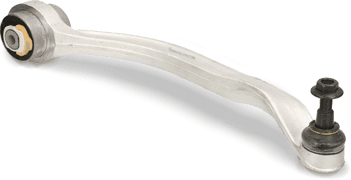
OPTIMAL G6-067 Suspension armFitting Position: Lower, Front Axle, both sides; Control/Trailing Arm Type: Control Arm; Required quantity: 2; Material: Sheet Steel; Supplementary Article / Supplementary Info Info 2: with rubber mount, without ball joint134,99 £*Shipping: 1,99 £Secure redirect to the provider



-
What is the difference between modern times and the Middle Ages?
One key difference between modern times and the Middle Ages is the level of technological advancement. In modern times, we have access to advanced technology that has transformed various aspects of our lives, such as communication, transportation, and healthcare. Additionally, there have been significant advancements in areas like science, education, and human rights since the Middle Ages. Another difference is the shift in societal structures and values, with modern society being more diverse, inclusive, and democratic compared to the hierarchical and often oppressive systems of the Middle Ages. **
-
What is the difference between the Middle Ages and modern times?
The Middle Ages, also known as the medieval period, spanned roughly from the 5th to the 15th century and was characterized by feudalism, the dominance of the Catholic Church, and limited technological advancements. In contrast, modern times refer to the period from the 16th century to the present day, marked by significant advancements in science, technology, and industry, as well as the rise of democratic governments and human rights. The Middle Ages were a time of relative stagnation and limited social mobility, while modern times have seen rapid progress, globalization, and interconnectedness on a global scale. **
-
What are the differences between the Middle Ages and modern times?
The Middle Ages, also known as the medieval period, was a time of feudalism, chivalry, and the dominance of the Catholic Church. In contrast, modern times are characterized by democracy, capitalism, and the separation of church and state. The Middle Ages were marked by limited technological advancements and a focus on agriculture, while modern times are defined by rapid technological progress and a shift towards industrialization and urbanization. Additionally, the Middle Ages were a time of limited education and widespread illiteracy, while modern times have seen a significant increase in access to education and literacy rates. **
-
What is the transition between the Middle Ages and the Modern Era?
The transition between the Middle Ages and the Modern Era is often referred to as the Renaissance. This period saw a revival of interest in art, literature, and learning, as well as a shift towards humanism and individualism. The Renaissance also brought about advancements in science, technology, and exploration, leading to significant changes in society and culture. This transition marked a shift from the feudal system and the dominance of the Catholic Church to the rise of nation-states, the growth of trade and commerce, and the spread of new ideas and knowledge. **

Does anyone know the feeling of living in a modern Middle Ages?
Living in a modern Middle Ages may refer to a time when certain aspects of life resemble those of the historical Middle Ages, such as limited access to technology, lack of modern amenities, or a sense of societal regression. While some individuals may have experienced a lifestyle that mirrors certain aspects of the Middle Ages, it is important to recognize that the comparison is not entirely accurate. The Middle Ages were characterized by specific historical, cultural, and social conditions that are not fully replicated in the modern world. Therefore, while some people may feel a sense of living in a modern Middle Ages due to certain circumstances, it is not an exact parallel to the historical period. **
How have the changes evolved from the Middle Ages to modern times?
The changes from the Middle Ages to modern times have evolved significantly in terms of technology, social structure, and cultural norms. In the Middle Ages, society was largely agrarian and feudal, with limited technological advancements and a rigid social hierarchy. As time progressed, the Renaissance brought about a revival of art, science, and learning, leading to the Age of Enlightenment and the Industrial Revolution, which transformed society through technological innovation and urbanization. In modern times, globalization, the digital revolution, and the rise of democracy have further reshaped the world, leading to interconnectedness and rapid advancements in technology and communication. Overall, the changes have evolved from a predominantly agrarian and feudal society to a highly interconnected, technologically advanced, and diverse global community. **
Top-Angebote
Products related to PEDOL-028-067-Middle:
-
OPTIMAL G6-067 Suspension armFitting Position: Lower, Front Axle, both sides; Control/Trailing Arm Type: Control Arm; Required quantity: 2; Material: Sheet Steel; Supplementary Article / Supplementary Info Info 2: with rubber mount, without ball joint134,99 £*Shipping: 1,99 £Secure redirect to the provider
-
Why do we call the present time modern/early modern and not the modern middle ages or simply middle ages?
We call the present time modern or early modern because it is characterized by significant advancements in technology, science, and social organization. The term "modern" reflects the rapid changes and progress that have occurred in recent centuries. On the other hand, the Middle Ages is a distinct historical period that is often associated with feudalism, the dominance of the Catholic Church, and limited technological and intellectual development. Therefore, it is not referred to as the "modern Middle Ages" because it does not reflect the same level of progress and change as the present era. **
-
What is the name of the middle part in a compact system?
The middle part in a compact system is typically called the amplifier or receiver. This component is responsible for receiving audio and video signals from various sources, such as a DVD player or cable box, and then amplifying and processing those signals to be sent to the speakers and display. The amplifier or receiver is a crucial part of the compact system as it helps to control and enhance the overall audio and video performance. **
-
What is the difference between modern times and the Middle Ages?
One key difference between modern times and the Middle Ages is the level of technological advancement. In modern times, we have access to advanced technology that has transformed various aspects of our lives, such as communication, transportation, and healthcare. Additionally, there have been significant advancements in areas like science, education, and human rights since the Middle Ages. Another difference is the shift in societal structures and values, with modern society being more diverse, inclusive, and democratic compared to the hierarchical and often oppressive systems of the Middle Ages. **
-
What is the difference between the Middle Ages and modern times?
The Middle Ages, also known as the medieval period, spanned roughly from the 5th to the 15th century and was characterized by feudalism, the dominance of the Catholic Church, and limited technological advancements. In contrast, modern times refer to the period from the 16th century to the present day, marked by significant advancements in science, technology, and industry, as well as the rise of democratic governments and human rights. The Middle Ages were a time of relative stagnation and limited social mobility, while modern times have seen rapid progress, globalization, and interconnectedness on a global scale. **
Similar search terms for PEDOL-028-067-Middle
-
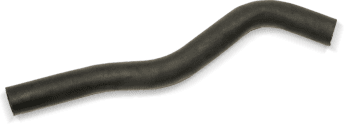
NTY CPP-ME-067 Radiator hoseFitting Position: Upper Right; Supplementary Article / Supplementary Info Info 2: with quick couplers; Inner Diameter 1 [mm]: 30; Inner Diameter 2 [mm]: 33; Material: EPDM (ethylene propylene diene Monomer (M-class) rubber); Cooling Hose: from engine to engine cooler20,99 £*Shipping: 8,45 £Secure redirect to the provider
-
What are the differences between the Middle Ages and modern times?
The Middle Ages, also known as the medieval period, was a time of feudalism, chivalry, and the dominance of the Catholic Church. In contrast, modern times are characterized by democracy, capitalism, and the separation of church and state. The Middle Ages were marked by limited technological advancements and a focus on agriculture, while modern times are defined by rapid technological progress and a shift towards industrialization and urbanization. Additionally, the Middle Ages were a time of limited education and widespread illiteracy, while modern times have seen a significant increase in access to education and literacy rates. **
-
What is the transition between the Middle Ages and the Modern Era?
The transition between the Middle Ages and the Modern Era is often referred to as the Renaissance. This period saw a revival of interest in art, literature, and learning, as well as a shift towards humanism and individualism. The Renaissance also brought about advancements in science, technology, and exploration, leading to significant changes in society and culture. This transition marked a shift from the feudal system and the dominance of the Catholic Church to the rise of nation-states, the growth of trade and commerce, and the spread of new ideas and knowledge. **
-
Does anyone know the feeling of living in a modern Middle Ages?
Living in a modern Middle Ages may refer to a time when certain aspects of life resemble those of the historical Middle Ages, such as limited access to technology, lack of modern amenities, or a sense of societal regression. While some individuals may have experienced a lifestyle that mirrors certain aspects of the Middle Ages, it is important to recognize that the comparison is not entirely accurate. The Middle Ages were characterized by specific historical, cultural, and social conditions that are not fully replicated in the modern world. Therefore, while some people may feel a sense of living in a modern Middle Ages due to certain circumstances, it is not an exact parallel to the historical period. **
-
How have the changes evolved from the Middle Ages to modern times?
The changes from the Middle Ages to modern times have evolved significantly in terms of technology, social structure, and cultural norms. In the Middle Ages, society was largely agrarian and feudal, with limited technological advancements and a rigid social hierarchy. As time progressed, the Renaissance brought about a revival of art, science, and learning, leading to the Age of Enlightenment and the Industrial Revolution, which transformed society through technological innovation and urbanization. In modern times, globalization, the digital revolution, and the rise of democracy have further reshaped the world, leading to interconnectedness and rapid advancements in technology and communication. Overall, the changes have evolved from a predominantly agrarian and feudal society to a highly interconnected, technologically advanced, and diverse global community. **
* All prices are inclusive of VAT and, if applicable, plus shipping costs. The offer information is based on the details provided by the respective shop and is updated through automated processes. Real-time updates do not occur, so deviations can occur in individual cases. ** Note: Parts of this content were created by AI.