Buy wcsitz.eu ?
We are moving the project
wcsitz.eu .
Are you interested in purchasing the domain
wcsitz.eu ?
domain@kv-gmbh.de · 0541-91531010
Buy wcsitz.eu ?
What is Willy Brandt's new Ostpolitik?
Willy Brandt's new Ostpolitik was a policy of reconciliation and engagement with Eastern European countries, particularly the Soviet Union and East Germany. It aimed to improve relations with these countries through dialogue, cooperation, and cultural exchanges, in order to reduce tensions and promote peace in the region. This policy marked a shift from the previous confrontational approach towards the East, and was seen as a significant step towards detente during the Cold War. **
What is the new Ostpolitik 3?
Ostpolitik 3 refers to the new approach of Germany towards its relations with Eastern European countries, particularly Russia. It focuses on maintaining dialogue and cooperation with these countries while also addressing areas of disagreement and conflict. The goal of Ostpolitik 3 is to promote stability, security, and economic development in the region, while also upholding democratic values and human rights. This approach recognizes the importance of engaging with Eastern European countries in a constructive and pragmatic manner to address common challenges and opportunities. **

Similar search terms for Ostpolitik
Top-Angebote
Products related to Ostpolitik:
-
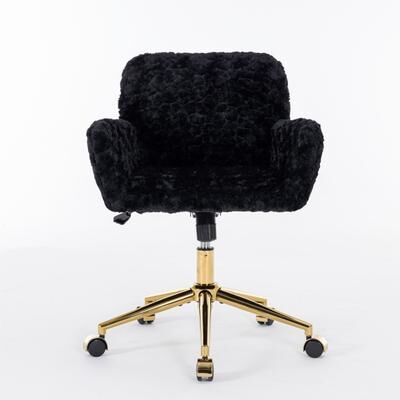
GREATPLANINC Stylish Office Chair Ergonomic Chair Vanity Chair with Adjustable Height Swivel Chair Executive Chair for BedroomThe wider and deeper seat design ensures ample space, while the 40° reclining chassis allows you to relax during breaks. Built with a sturdy 320mm base, this chair offers both style and stability for any workspace.163,49 $*Shipping: 0,00 $Secure redirect to the provider
-
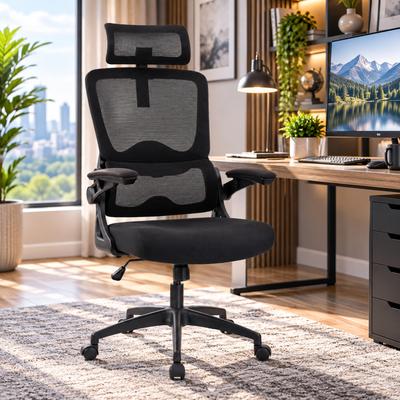
Modern Designs Ergonomic Mesh Office Chair, Adjustable Height, Tilt, Headrest & LumbarBring comfort and functionality to your workspace with this ergonomic mesh office chair. The breathable backrest promotes airflow, while the padded seat, adjustable headrest, and supportive armrests provide added comfort.193,99 $*Shipping: 0,00 $Secure redirect to the provider


-
What was new about the new Ostpolitik?
The new Ostpolitik, introduced by West German Chancellor Willy Brandt in the late 1960s, was a significant departure from previous policies towards Eastern Europe. It focused on improving relations with East Germany and other Eastern European countries through dialogue, cooperation, and reconciliation. This approach marked a shift towards detente and a willingness to engage in dialogue with communist states, rather than isolating them. The new Ostpolitik also led to the signing of treaties such as the Basic Treaty with East Germany, which helped to normalize relations and reduce tensions in the region. **
-
Why was there criticism of Brandt's Ostpolitik?
Criticism of Brandt's Ostpolitik stemmed from several factors. Some critics believed that by engaging in dialogue and cooperation with East Germany and the Soviet Union, Brandt was legitimizing and propping up repressive communist regimes. Others argued that Ostpolitik undermined the unity of the Western alliance, particularly by potentially weakening ties with the United States. Additionally, some critics felt that Ostpolitik did not go far enough in addressing human rights abuses and political repression in Eastern Europe. **
-
How can I interpret this cartoon about Germany's Ostpolitik?
This cartoon likely portrays Germany's Ostpolitik as a balancing act between East and West. The figure representing Germany is shown walking a tightrope, symbolizing the delicate diplomatic maneuvering required to maintain relationships with both the Eastern and Western blocs during the Cold War. The flags of the United States and Soviet Union on either side suggest the pressure Germany faced from both superpowers. Overall, the cartoon conveys the complexity and challenges of Germany's Ostpolitik strategy in navigating the geopolitical landscape of the time. **
-
Did the new Ostpolitik rather promote reunification or strengthen SED rule?
The new Ostpolitik pursued by West Germany under Chancellor Willy Brandt aimed to improve relations with East Germany and other Eastern Bloc countries. While it did not explicitly promote reunification, it did create opportunities for dialogue and cooperation between the two Germanys. However, some critics argue that it also inadvertently strengthened the rule of the Socialist Unity Party (SED) in East Germany by providing economic support and legitimacy to the regime. Ultimately, the Ostpolitik had a complex impact on the dynamics between East and West Germany, with both reunification and SED rule being influenced in different ways. **


What are the three most important Ostpolitik treaties of the Brandt government?
The three most important Ostpolitik treaties of the Brandt government were the Treaty of Moscow (1970), the Treaty of Warsaw (1970), and the Four Power Agreement on Berlin (1971). The Treaty of Moscow recognized the Oder-Neisse line as the official border between Germany and Poland, marking a significant step towards reconciliation and normalization of relations between the two countries. The Treaty of Warsaw reaffirmed the border and committed both countries to peaceful coexistence and cooperation. The Four Power Agreement on Berlin helped to ease tensions in the divided city and improve communication and travel between East and West Berlin. These treaties were crucial in fostering a new era of detente and cooperation between East and West Germany and their neighboring countries. **
How can one describe the caricature interpretation of Willy Brandt's Ostpolitik in 1970?
The caricature interpretation of Willy Brandt's Ostpolitik in 1970 often depicted him as a dove of peace, symbolizing his efforts to improve relations with Eastern European countries and the Soviet Union. Brandt's policy of detente and dialogue with the East was portrayed as a bold and progressive approach to diplomacy during the Cold War. The caricatures often emphasized Brandt's willingness to engage in dialogue and compromise, contrasting with the more confrontational approaches of previous leaders. Overall, the caricature interpretation of Brandt's Ostpolitik in 1970 highlighted his role as a peacemaker and bridge-builder between East and West. **
Top-Angebote
Products related to Ostpolitik:
-
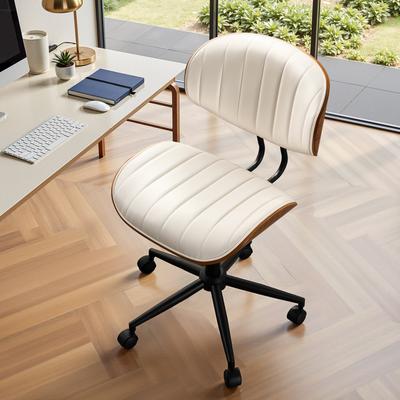
HOOOWOOO Modern Ergonomic Adjustable PU Curved Office ChairTransform your workspace with the Ergonomic Adjustable PU Curved Office Chair by HOOOWOOO. Featuring curved backrest and U-shaped design, this chair not only offer back and lumbar support, but also save space for more area.125,99 $*Shipping: 0,00 $Secure redirect to the provider
-
GREATPLANINC Stylish Office Chair Ergonomic Chair Vanity Chair with Adjustable Height Swivel Chair Executive Chair for BedroomThe wider and deeper seat design ensures ample space, while the 40° reclining chassis allows you to relax during breaks. Built with a sturdy 320mm base, this chair offers both style and stability for any workspace.163,49 $*Shipping: 0,00 $Secure redirect to the provider
-
What is Willy Brandt's new Ostpolitik?
Willy Brandt's new Ostpolitik was a policy of reconciliation and engagement with Eastern European countries, particularly the Soviet Union and East Germany. It aimed to improve relations with these countries through dialogue, cooperation, and cultural exchanges, in order to reduce tensions and promote peace in the region. This policy marked a shift from the previous confrontational approach towards the East, and was seen as a significant step towards detente during the Cold War. **
-
What is the new Ostpolitik 3?
Ostpolitik 3 refers to the new approach of Germany towards its relations with Eastern European countries, particularly Russia. It focuses on maintaining dialogue and cooperation with these countries while also addressing areas of disagreement and conflict. The goal of Ostpolitik 3 is to promote stability, security, and economic development in the region, while also upholding democratic values and human rights. This approach recognizes the importance of engaging with Eastern European countries in a constructive and pragmatic manner to address common challenges and opportunities. **
-
What was new about the new Ostpolitik?
The new Ostpolitik, introduced by West German Chancellor Willy Brandt in the late 1960s, was a significant departure from previous policies towards Eastern Europe. It focused on improving relations with East Germany and other Eastern European countries through dialogue, cooperation, and reconciliation. This approach marked a shift towards detente and a willingness to engage in dialogue with communist states, rather than isolating them. The new Ostpolitik also led to the signing of treaties such as the Basic Treaty with East Germany, which helped to normalize relations and reduce tensions in the region. **
-
Why was there criticism of Brandt's Ostpolitik?
Criticism of Brandt's Ostpolitik stemmed from several factors. Some critics believed that by engaging in dialogue and cooperation with East Germany and the Soviet Union, Brandt was legitimizing and propping up repressive communist regimes. Others argued that Ostpolitik undermined the unity of the Western alliance, particularly by potentially weakening ties with the United States. Additionally, some critics felt that Ostpolitik did not go far enough in addressing human rights abuses and political repression in Eastern Europe. **
Similar search terms for Ostpolitik
-
Modern Designs Ergonomic Mesh Office Chair, Adjustable Height, Tilt, Headrest & LumbarBring comfort and functionality to your workspace with this ergonomic mesh office chair. The breathable backrest promotes airflow, while the padded seat, adjustable headrest, and supportive armrests provide added comfort.193,99 $*Shipping: 0,00 $Secure redirect to the provider
-
GREATPLANINC Stylish Swivel Chair Office Chair Ergonomic Chair with Curved Seat and Adjustable Height Executive Chair Vanity Chair,BrownElevate your workspace with this sleek swivel chair, combining comfort and style with its curved seat and soft faux leather upholstery.115,98 $*Shipping: 0,00 $Secure redirect to the provider
-
iBathUK Aventa Wall Hung Modern Square Ceramic Cloakroom Basin, Durable and Stylish Ceramic Basin Natural 360mm WThe iBathUK Aventa Modern Wall Hung Rectangular Counter Top Ceramic Wash Basin Sink is a sleek and versatile addition to contemporary bathrooms, cloakrooms, or en-suites. Its wall-hung design creates a floating effect that maximises floor space while enhancing the modern aesthetic of your bathroom. Made from high-quality gloss white ceramic, the basin is durable, resistant to scratches and stains, and retains a polished finish over time. Its rectangular shape adds a contemporary edge and provides a spacious surface for practical daily use. Designed for both countertop and wall-mounted installation, this basin suits a wide range of bathroom layouts. Its compact dimensions make it ideal for smaller spaces while maintaining style and functionality. The premium ceramic construction ensures long-lasting durability and easy maintenance, making it a practical and stylish choice for modern homes. Key Features: 1. Durable Ceramic Construction: Crafted from premium gloss white ceramic, the basin is built to withstand daily use, resisting scratches, stains, and minor impacts while maintaining a pristine appearance. 2. Versatile Installation Options: With dimensions of H13 x W36 x D51 cm and a lightweight design of 11.5kg, it can be installed as a wall-hung or countertop basin, offering flexibility for various bathroom layouts. 3. Functional Tap and Waste Setup: The basin includes a 35mm tap hole, 45mm waste hole, and a 45x8mm overflow hole, providing reliable water management and compatibility with standard fittings. 4. Modern Rectangular Design: The clean, sharp lines of the rectangular basin give your bathroom a contemporary and sophisticated look, complementing minimalist décor schemes. 5. Hygienic and Easy to Maintain: The high-gloss glazed surface is effortless to clean, helping maintain a polished and hygienic bathroom environment with minimal effort. iBathUK46,99 £*Shipping: 4,99 £Secure redirect to the provider
-
How can I interpret this cartoon about Germany's Ostpolitik?
This cartoon likely portrays Germany's Ostpolitik as a balancing act between East and West. The figure representing Germany is shown walking a tightrope, symbolizing the delicate diplomatic maneuvering required to maintain relationships with both the Eastern and Western blocs during the Cold War. The flags of the United States and Soviet Union on either side suggest the pressure Germany faced from both superpowers. Overall, the cartoon conveys the complexity and challenges of Germany's Ostpolitik strategy in navigating the geopolitical landscape of the time. **
-
Did the new Ostpolitik rather promote reunification or strengthen SED rule?
The new Ostpolitik pursued by West Germany under Chancellor Willy Brandt aimed to improve relations with East Germany and other Eastern Bloc countries. While it did not explicitly promote reunification, it did create opportunities for dialogue and cooperation between the two Germanys. However, some critics argue that it also inadvertently strengthened the rule of the Socialist Unity Party (SED) in East Germany by providing economic support and legitimacy to the regime. Ultimately, the Ostpolitik had a complex impact on the dynamics between East and West Germany, with both reunification and SED rule being influenced in different ways. **
-
What are the three most important Ostpolitik treaties of the Brandt government?
The three most important Ostpolitik treaties of the Brandt government were the Treaty of Moscow (1970), the Treaty of Warsaw (1970), and the Four Power Agreement on Berlin (1971). The Treaty of Moscow recognized the Oder-Neisse line as the official border between Germany and Poland, marking a significant step towards reconciliation and normalization of relations between the two countries. The Treaty of Warsaw reaffirmed the border and committed both countries to peaceful coexistence and cooperation. The Four Power Agreement on Berlin helped to ease tensions in the divided city and improve communication and travel between East and West Berlin. These treaties were crucial in fostering a new era of detente and cooperation between East and West Germany and their neighboring countries. **
-
How can one describe the caricature interpretation of Willy Brandt's Ostpolitik in 1970?
The caricature interpretation of Willy Brandt's Ostpolitik in 1970 often depicted him as a dove of peace, symbolizing his efforts to improve relations with Eastern European countries and the Soviet Union. Brandt's policy of detente and dialogue with the East was portrayed as a bold and progressive approach to diplomacy during the Cold War. The caricatures often emphasized Brandt's willingness to engage in dialogue and compromise, contrasting with the more confrontational approaches of previous leaders. Overall, the caricature interpretation of Brandt's Ostpolitik in 1970 highlighted his role as a peacemaker and bridge-builder between East and West. **
* All prices are inclusive of VAT and, if applicable, plus shipping costs. The offer information is based on the details provided by the respective shop and is updated through automated processes. Real-time updates do not occur, so deviations can occur in individual cases. ** Note: Parts of this content were created by AI.