Buy wcsitz.eu ?
We are moving the project
wcsitz.eu .
Are you interested in purchasing the domain
wcsitz.eu ?
domain@kv-gmbh.de · 0541-91531010
Buy wcsitz.eu ?
What does isometry mean in art?
Isometry in art refers to the use of geometric shapes and forms that maintain their size and shape regardless of their position or orientation in space. This technique creates a sense of balance, harmony, and stability in the artwork. Isometric art often features precise, straight lines and angles, and is commonly used in architectural drawings, technical illustrations, and graphic design to convey a sense of accuracy and order. **
How is a standardized isometry correctly drawn?
A standardized isometry is correctly drawn by following specific guidelines. First, ensure that all three axes (x, y, z) are drawn at 120-degree angles to each other. Next, draw the object or shape in question with accurate proportions and angles, making sure to maintain the 120-degree relationship between the axes. Finally, label the axes and any important points or dimensions to clearly communicate the isometric view. By following these steps, a standardized isometry can be accurately and effectively drawn. **

Similar search terms for Isometry
Top-Angebote
Products related to Isometry:
-
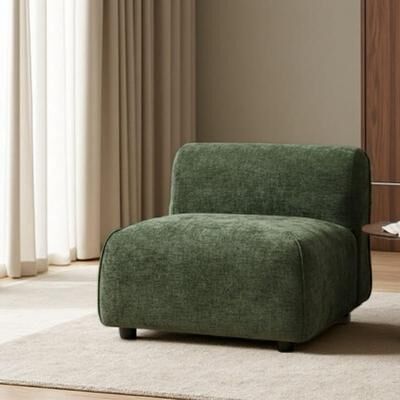
Curved Modern Upholstered Accent Armchair, Compact Space-Saving Lounge Chair with Ergonomic Contoured BackrestBring sculptural comfort and modern elegance into your home with this beautifully curved accent chair designed for effortless relaxation.365,99 $*Shipping: 0,00 $Secure redirect to the provider
-
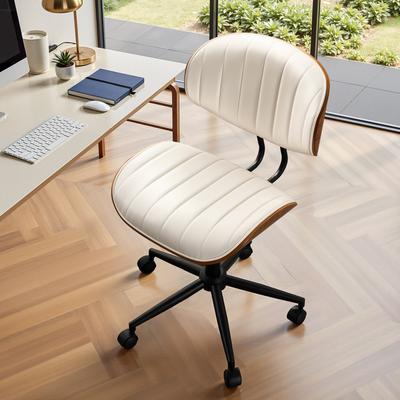
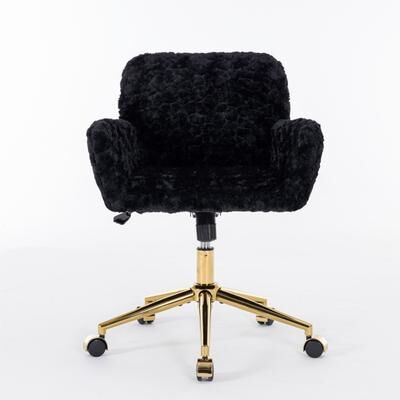
GREATPLANINC Stylish Office Chair Ergonomic Chair Vanity Chair with Adjustable Height Swivel Chair Executive Chair for BedroomThe wider and deeper seat design ensures ample space, while the 40° reclining chassis allows you to relax during breaks. Built with a sturdy 320mm base, this chair offers both style and stability for any workspace.163,49 $*Shipping: 0,00 $Secure redirect to the provider

-
What is an isometry with non-orthogonal corners?
An isometry with non-orthogonal corners is a transformation that preserves distances and angles, but the corners of the shape are not at right angles to each other. This means that the shape is still congruent to its original form after the transformation, but the angles at the corners are not 90 degrees. Isometries with non-orthogonal corners can include rotations, reflections, translations, and glide reflections. These transformations are important in geometry and can be used to study the properties of shapes and figures. **
-
What is an isometry with non-orthogonal vertices?
An isometry with non-orthogonal vertices is a transformation that preserves distances and angles between points, but the vertices are not at right angles to each other. This means that the shape is still congruent to its original form, but the angles between the edges are not necessarily 90 degrees. Isometries with non-orthogonal vertices can include translations, rotations, reflections, and glide reflections. These transformations are important in geometry and can help us understand the properties of shapes in different orientations. **
-
What is the difference between axonometry and isometry?
Axonometry and isometry are both methods used in technical and engineering drawing to represent three-dimensional objects on a two-dimensional surface. The main difference between the two is that axonometry is a type of parallel projection, where all the lines of the object remain parallel in the drawing, while isometry is a specific type of axonometric projection where the object is represented with equal foreshortening along all three axes. In other words, isometry maintains the same scale in all three dimensions, while axonometry in general does not. **
-
Is the task for isometry with 3 board projections correct?
Yes, the task for isometry with 3 board projections is correct. Isometry refers to a transformation that preserves the distance between points, and using 3 board projections can help to accurately capture the spatial relationships and distances between points in a three-dimensional space. By using multiple board projections, it is possible to ensure that the isometry is accurately represented in the transformation process. **

Do you find this coffee table modern or stylish?
I find this coffee table to be both modern and stylish. Its sleek design and clean lines give it a modern look, while the use of high-quality materials and attention to detail make it stylish. The combination of these elements makes it a versatile piece that can fit into a variety of home decor styles. **
Where can one find stylish, modern, and trendy fashion for plus-size individuals online?
One can find stylish, modern, and trendy fashion for plus-size individuals online at retailers such as ASOS Curve, Eloquii, and Fashion to Figure. These retailers offer a wide range of trendy clothing options including dresses, tops, bottoms, and outerwear designed specifically for plus-size individuals. Additionally, online marketplaces like Nordstrom and Amazon also offer a variety of stylish and modern plus-size fashion options from a range of different brands. **
Top-Angebote
Products related to Isometry:
-
HOOOWOOO Modern Ergonomic Adjustable PU Curved Office ChairTransform your workspace with the Ergonomic Adjustable PU Curved Office Chair by HOOOWOOO. Featuring curved backrest and U-shaped design, this chair not only offer back and lumbar support, but also save space for more area.125,99 $*Shipping: 0,00 $Secure redirect to the provider
-
Curved Modern Upholstered Accent Armchair, Compact Space-Saving Lounge Chair with Ergonomic Contoured BackrestBring sculptural comfort and modern elegance into your home with this beautifully curved accent chair designed for effortless relaxation.365,99 $*Shipping: 0,00 $Secure redirect to the provider
-
What does isometry mean in art?
Isometry in art refers to the use of geometric shapes and forms that maintain their size and shape regardless of their position or orientation in space. This technique creates a sense of balance, harmony, and stability in the artwork. Isometric art often features precise, straight lines and angles, and is commonly used in architectural drawings, technical illustrations, and graphic design to convey a sense of accuracy and order. **
-
How is a standardized isometry correctly drawn?
A standardized isometry is correctly drawn by following specific guidelines. First, ensure that all three axes (x, y, z) are drawn at 120-degree angles to each other. Next, draw the object or shape in question with accurate proportions and angles, making sure to maintain the 120-degree relationship between the axes. Finally, label the axes and any important points or dimensions to clearly communicate the isometric view. By following these steps, a standardized isometry can be accurately and effectively drawn. **
-
What is an isometry with non-orthogonal corners?
An isometry with non-orthogonal corners is a transformation that preserves distances and angles, but the corners of the shape are not at right angles to each other. This means that the shape is still congruent to its original form after the transformation, but the angles at the corners are not 90 degrees. Isometries with non-orthogonal corners can include rotations, reflections, translations, and glide reflections. These transformations are important in geometry and can be used to study the properties of shapes and figures. **
-
What is an isometry with non-orthogonal vertices?
An isometry with non-orthogonal vertices is a transformation that preserves distances and angles between points, but the vertices are not at right angles to each other. This means that the shape is still congruent to its original form, but the angles between the edges are not necessarily 90 degrees. Isometries with non-orthogonal vertices can include translations, rotations, reflections, and glide reflections. These transformations are important in geometry and can help us understand the properties of shapes in different orientations. **
Similar search terms for Isometry
-
GREATPLANINC Stylish Office Chair Ergonomic Chair Vanity Chair with Adjustable Height Swivel Chair Executive Chair for BedroomThe wider and deeper seat design ensures ample space, while the 40° reclining chassis allows you to relax during breaks. Built with a sturdy 320mm base, this chair offers both style and stability for any workspace.163,49 $*Shipping: 0,00 $Secure redirect to the provider
-
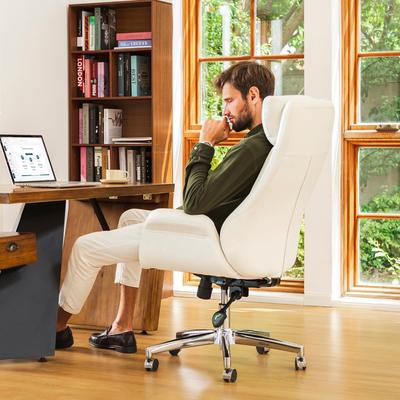
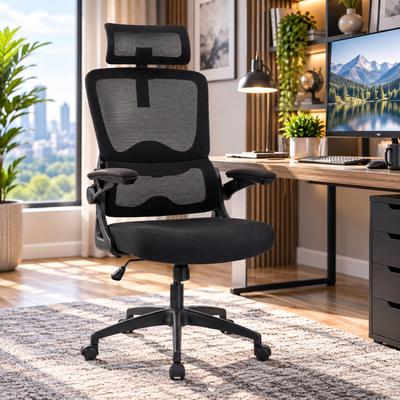
Modern Designs Ergonomic Mesh Office Chair, Adjustable Height, Tilt, Headrest & LumbarBring comfort and functionality to your workspace with this ergonomic mesh office chair. The breathable backrest promotes airflow, while the padded seat, adjustable headrest, and supportive armrests provide added comfort.193,99 $*Shipping: 0,00 $Secure redirect to the provider
-
HOOOWOOO Modern Ergonomic Adjustable PU Curved Office ChairTransform your workspace with the Ergonomic Adjustable PU Curved Office Chair by HOOOWOOO. Featuring curved backrest and U-shaped design, this chair not only offer back and lumbar support, but also save space for more area.122,21 $*Shipping: 0,00 $Secure redirect to the provider
-
What is the difference between axonometry and isometry?
Axonometry and isometry are both methods used in technical and engineering drawing to represent three-dimensional objects on a two-dimensional surface. The main difference between the two is that axonometry is a type of parallel projection, where all the lines of the object remain parallel in the drawing, while isometry is a specific type of axonometric projection where the object is represented with equal foreshortening along all three axes. In other words, isometry maintains the same scale in all three dimensions, while axonometry in general does not. **
-
Is the task for isometry with 3 board projections correct?
Yes, the task for isometry with 3 board projections is correct. Isometry refers to a transformation that preserves the distance between points, and using 3 board projections can help to accurately capture the spatial relationships and distances between points in a three-dimensional space. By using multiple board projections, it is possible to ensure that the isometry is accurately represented in the transformation process. **
-
Do you find this coffee table modern or stylish?
I find this coffee table to be both modern and stylish. Its sleek design and clean lines give it a modern look, while the use of high-quality materials and attention to detail make it stylish. The combination of these elements makes it a versatile piece that can fit into a variety of home decor styles. **
-
Where can one find stylish, modern, and trendy fashion for plus-size individuals online?
One can find stylish, modern, and trendy fashion for plus-size individuals online at retailers such as ASOS Curve, Eloquii, and Fashion to Figure. These retailers offer a wide range of trendy clothing options including dresses, tops, bottoms, and outerwear designed specifically for plus-size individuals. Additionally, online marketplaces like Nordstrom and Amazon also offer a variety of stylish and modern plus-size fashion options from a range of different brands. **
* All prices are inclusive of VAT and, if applicable, plus shipping costs. The offer information is based on the details provided by the respective shop and is updated through automated processes. Real-time updates do not occur, so deviations can occur in individual cases. ** Note: Parts of this content were created by AI.