Buy wcsitz.eu ?
We are moving the project
wcsitz.eu .
Are you interested in purchasing the domain
wcsitz.eu ?
domain@kv-gmbh.de · 0541-91531010
Buy wcsitz.eu ?
When do you use il faut and il ne faut pas?
"Il faut" is used to express what is necessary or required, while "il ne faut pas" is used to express what is not allowed or should be avoided. For example, you would use "il faut" to say "il faut étudier pour réussir" (it is necessary to study to succeed), and "il ne faut pas" to say "il ne faut pas fumer dans ce lieu" (smoking is not allowed in this place). These expressions are used to give advice, make recommendations, or set rules. **
What is the difference between il faut que and il faut?
"Il faut" is used to express a general necessity or obligation, while "il faut que" is used to introduce a specific action or event that is necessary or required. For example, "il faut manger" means "it is necessary to eat" in a general sense, while "il faut que tu manges" means "you need to eat" in a specific sense. "Il faut" is used to make a general statement about what is necessary, while "il faut que" is used to specify what needs to be done. **

Similar search terms for Faut
Top-Angebote
Products related to Faut:
-
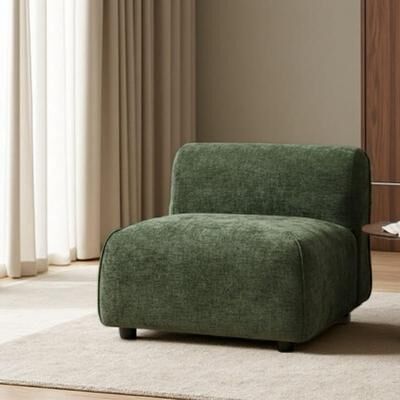
Curved Modern Upholstered Accent Armchair, Compact Space-Saving Lounge Chair with Ergonomic Contoured BackrestBring sculptural comfort and modern elegance into your home with this beautifully curved accent chair designed for effortless relaxation.365,99 $*Shipping: 0,00 $Secure redirect to the provider
-
GREATPLANINC Stylish Office Chair Ergonomic Chair Vanity Chair with Adjustable Height Swivel Chair Executive Chair for BedroomThe wider and deeper seat design ensures ample space, while the 40° reclining chassis allows you to relax during breaks. Built with a sturdy 320mm base, this chair offers both style and stability for any workspace.163,49 $*Shipping: 0,00 $Secure redirect to the provider
-
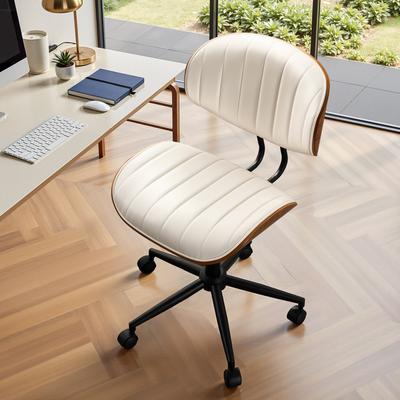
GREATPLANINC Stylish Swivel Chair Office Chair Ergonomic Chair with Curved Seat and Adjustable Height Executive Chair Vanity Chair,BrownElevate your workspace with this sleek swivel chair, combining comfort and style with its curved seat and soft faux leather upholstery.115,98 $*Shipping: 0,00 $Secure redirect to the provider



-
How does "il faut" work in French?
"Il faut" is a common expression in French that is used to convey the idea of necessity or obligation. It is followed by an infinitive verb and is used to express what needs to be done or what is necessary in a given situation. For example, "Il faut manger" means "It is necessary to eat." This expression is used to give advice, make suggestions, or express general truths. **
-
What is the past tense of il faut?
The past tense of "il faut" is "il a fallu." This is the third person singular form of the verb "falloir" in the past tense. It is used to indicate that something was necessary or required in the past. For example, "Il a fallu partir tôt ce matin" means "It was necessary to leave early this morning." **
-
Why do we say "il faut" in French instead of "on doit"? One reads "il faut" everywhere, very rarely "on doit." Why?
"We say 'il faut' in French instead of 'on doit' because 'il faut' is a more common and idiomatic expression in the French language. It is used to convey the idea of necessity or obligation in a more formal and impersonal way. On the other hand, 'on doit' is more direct and personal, implying a specific obligation or duty. Therefore, 'il faut' is preferred in a wider range of contexts and is considered more polite and appropriate in formal or general statements." **
-
Why do people say "il faut" in French instead of "on doit"? "Il faut" is read everywhere, while "on doit" is very, very rarely seen. Why?
The phrase "il faut" is used in French to express the idea of necessity or obligation, while "on doit" is used to express the idea of duty or responsibility. The use of "il faut" is more common because it is a more general and impersonal way of expressing necessity, whereas "on doit" is more specific and implies a direct responsibility or obligation. Additionally, "il faut" is a fixed expression in French, while "on doit" can be more easily replaced by other phrases or constructions. Therefore, "il faut" is used more frequently in written and spoken French. **


Has anyone of you ever read the book Il faut sauver Saïd?
As an AI language model, I don't have personal experiences or the ability to read books. However, "Il faut sauver Saïd" is a French novel written by Brigitte Smadja. It tells the story of a young boy named Saïd who is struggling to find his place in the world. The novel addresses themes of identity, immigration, and belonging, and has been well-received for its powerful storytelling and thought-provoking content. If you have read the book, I would love to hear your thoughts on it! **
What is the difference between "il faut" and "on a besoin" in French?
"Il faut" and "on a besoin" both express a need or necessity in French, but they are used in slightly different contexts. "Il faut" is used to express a general necessity or obligation, while "on a besoin" is used to express a specific need or requirement. For example, "Il faut manger pour vivre" (One must eat to live) expresses a general necessity, while "On a besoin de nourriture pour survivre" (We need food to survive) expresses a specific need. **
Top-Angebote
Products related to Faut:
-
HOOOWOOO Modern Ergonomic Adjustable PU Curved Office ChairTransform your workspace with the Ergonomic Adjustable PU Curved Office Chair by HOOOWOOO. Featuring curved backrest and U-shaped design, this chair not only offer back and lumbar support, but also save space for more area.125,99 $*Shipping: 0,00 $Secure redirect to the provider
-
Curved Modern Upholstered Accent Armchair, Compact Space-Saving Lounge Chair with Ergonomic Contoured BackrestBring sculptural comfort and modern elegance into your home with this beautifully curved accent chair designed for effortless relaxation.365,99 $*Shipping: 0,00 $Secure redirect to the provider
-
GREATPLANINC Stylish Office Chair Ergonomic Chair Vanity Chair with Adjustable Height Swivel Chair Executive Chair for BedroomThe wider and deeper seat design ensures ample space, while the 40° reclining chassis allows you to relax during breaks. Built with a sturdy 320mm base, this chair offers both style and stability for any workspace.163,49 $*Shipping: 0,00 $Secure redirect to the provider
-
When do you use il faut and il ne faut pas?
"Il faut" is used to express what is necessary or required, while "il ne faut pas" is used to express what is not allowed or should be avoided. For example, you would use "il faut" to say "il faut étudier pour réussir" (it is necessary to study to succeed), and "il ne faut pas" to say "il ne faut pas fumer dans ce lieu" (smoking is not allowed in this place). These expressions are used to give advice, make recommendations, or set rules. **
-
What is the difference between il faut que and il faut?
"Il faut" is used to express a general necessity or obligation, while "il faut que" is used to introduce a specific action or event that is necessary or required. For example, "il faut manger" means "it is necessary to eat" in a general sense, while "il faut que tu manges" means "you need to eat" in a specific sense. "Il faut" is used to make a general statement about what is necessary, while "il faut que" is used to specify what needs to be done. **
-
How does "il faut" work in French?
"Il faut" is a common expression in French that is used to convey the idea of necessity or obligation. It is followed by an infinitive verb and is used to express what needs to be done or what is necessary in a given situation. For example, "Il faut manger" means "It is necessary to eat." This expression is used to give advice, make suggestions, or express general truths. **
-
What is the past tense of il faut?
The past tense of "il faut" is "il a fallu." This is the third person singular form of the verb "falloir" in the past tense. It is used to indicate that something was necessary or required in the past. For example, "Il a fallu partir tôt ce matin" means "It was necessary to leave early this morning." **
Similar search terms for Faut
-
GREATPLANINC Stylish Swivel Chair Office Chair Ergonomic Chair with Curved Seat and Adjustable Height Executive Chair Vanity Chair,BrownElevate your workspace with this sleek swivel chair, combining comfort and style with its curved seat and soft faux leather upholstery.115,98 $*Shipping: 0,00 $Secure redirect to the provider
-
iBathUK Aventa Wall Hung Modern Square Ceramic Cloakroom Basin, Durable and Stylish Ceramic Basin Natural 360mm WThe iBathUK Aventa Modern Wall Hung Rectangular Counter Top Ceramic Wash Basin Sink is a sleek and versatile addition to contemporary bathrooms, cloakrooms, or en-suites. Its wall-hung design creates a floating effect that maximises floor space while enhancing the modern aesthetic of your bathroom. Made from high-quality gloss white ceramic, the basin is durable, resistant to scratches and stains, and retains a polished finish over time. Its rectangular shape adds a contemporary edge and provides a spacious surface for practical daily use. Designed for both countertop and wall-mounted installation, this basin suits a wide range of bathroom layouts. Its compact dimensions make it ideal for smaller spaces while maintaining style and functionality. The premium ceramic construction ensures long-lasting durability and easy maintenance, making it a practical and stylish choice for modern homes. Key Features: 1. Durable Ceramic Construction: Crafted from premium gloss white ceramic, the basin is built to withstand daily use, resisting scratches, stains, and minor impacts while maintaining a pristine appearance. 2. Versatile Installation Options: With dimensions of H13 x W36 x D51 cm and a lightweight design of 11.5kg, it can be installed as a wall-hung or countertop basin, offering flexibility for various bathroom layouts. 3. Functional Tap and Waste Setup: The basin includes a 35mm tap hole, 45mm waste hole, and a 45x8mm overflow hole, providing reliable water management and compatibility with standard fittings. 4. Modern Rectangular Design: The clean, sharp lines of the rectangular basin give your bathroom a contemporary and sophisticated look, complementing minimalist décor schemes. 5. Hygienic and Easy to Maintain: The high-gloss glazed surface is effortless to clean, helping maintain a polished and hygienic bathroom environment with minimal effort. iBathUK46,99 £*Shipping: 4,99 £Secure redirect to the provider
-
HOOOWOOO Modern Ergonomic Adjustable PU Curved Office ChairTransform your workspace with the Ergonomic Adjustable PU Curved Office Chair by HOOOWOOO. Featuring curved backrest and U-shaped design, this chair not only offer back and lumbar support, but also save space for more area.122,21 $*Shipping: 0,00 $Secure redirect to the provider
-
Why do we say "il faut" in French instead of "on doit"? One reads "il faut" everywhere, very rarely "on doit." Why?
"We say 'il faut' in French instead of 'on doit' because 'il faut' is a more common and idiomatic expression in the French language. It is used to convey the idea of necessity or obligation in a more formal and impersonal way. On the other hand, 'on doit' is more direct and personal, implying a specific obligation or duty. Therefore, 'il faut' is preferred in a wider range of contexts and is considered more polite and appropriate in formal or general statements." **
-
Why do people say "il faut" in French instead of "on doit"? "Il faut" is read everywhere, while "on doit" is very, very rarely seen. Why?
The phrase "il faut" is used in French to express the idea of necessity or obligation, while "on doit" is used to express the idea of duty or responsibility. The use of "il faut" is more common because it is a more general and impersonal way of expressing necessity, whereas "on doit" is more specific and implies a direct responsibility or obligation. Additionally, "il faut" is a fixed expression in French, while "on doit" can be more easily replaced by other phrases or constructions. Therefore, "il faut" is used more frequently in written and spoken French. **
-
Has anyone of you ever read the book Il faut sauver Saïd?
As an AI language model, I don't have personal experiences or the ability to read books. However, "Il faut sauver Saïd" is a French novel written by Brigitte Smadja. It tells the story of a young boy named Saïd who is struggling to find his place in the world. The novel addresses themes of identity, immigration, and belonging, and has been well-received for its powerful storytelling and thought-provoking content. If you have read the book, I would love to hear your thoughts on it! **
-
What is the difference between "il faut" and "on a besoin" in French?
"Il faut" and "on a besoin" both express a need or necessity in French, but they are used in slightly different contexts. "Il faut" is used to express a general necessity or obligation, while "on a besoin" is used to express a specific need or requirement. For example, "Il faut manger pour vivre" (One must eat to live) expresses a general necessity, while "On a besoin de nourriture pour survivre" (We need food to survive) expresses a specific need. **
* All prices are inclusive of VAT and, if applicable, plus shipping costs. The offer information is based on the details provided by the respective shop and is updated through automated processes. Real-time updates do not occur, so deviations can occur in individual cases. ** Note: Parts of this content were created by AI.