Buy wcsitz.eu ?
We are moving the project
wcsitz.eu .
Are you interested in purchasing the domain
wcsitz.eu ?
domain@kv-gmbh.de · 0541-91531010
Buy wcsitz.eu ?
Which rectifier do I need for a 14V alternator?
For a 14V alternator, you would need a rectifier that is capable of handling at least 14V. It is recommended to use a rectifier with a slightly higher voltage rating to ensure it can handle any fluctuations in voltage. Look for a rectifier that is specifically designed for automotive or alternator use to ensure compatibility and reliability. Additionally, consider the current rating of the rectifier to make sure it can handle the output of the alternator. **
How do I properly understand the rectifier of an alternator?
To properly understand the rectifier of an alternator, it's important to know that the rectifier is a crucial component that converts the alternating current (AC) produced by the alternator into direct current (DC) that can be used to power the vehicle's electrical system and charge the battery. The rectifier typically consists of diodes that allow current to flow in only one direction, effectively converting the AC to DC. Understanding the rectifier involves knowing its function, components, and how it contributes to the overall operation of the alternator and the vehicle's electrical system. It's also important to be aware of common issues and maintenance requirements related to the rectifier to ensure the proper functioning of the alternator. **
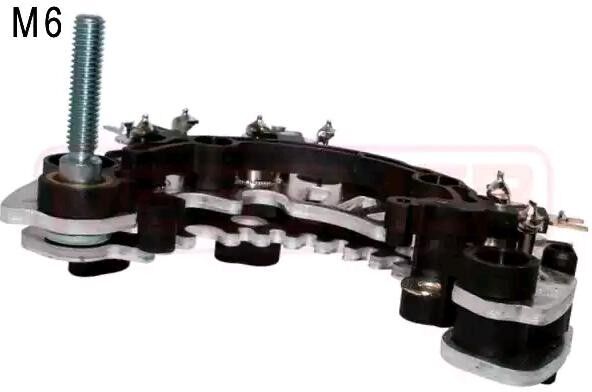
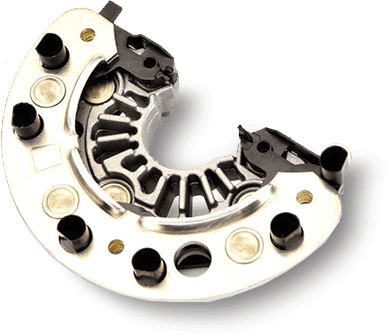
Similar search terms for ERA-216174-Rectifier-alternator
Top-Angebote
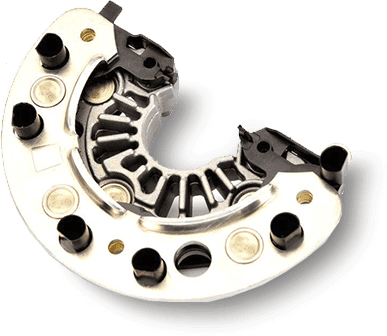
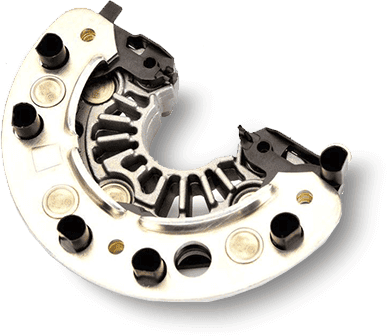
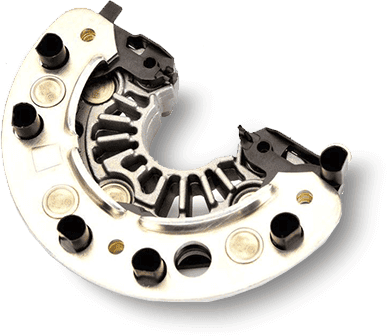
Products related to ERA-216174-Rectifier-alternator:


-
Is there a difference between a rectifier and a bridge rectifier?
Yes, there is a difference between a rectifier and a bridge rectifier. A rectifier is a device that converts alternating current (AC) to direct current (DC) by allowing current to flow in only one direction. A bridge rectifier is a type of rectifier that uses four diodes in a bridge configuration to rectify AC voltage. The main difference is that a bridge rectifier is more efficient and can handle higher currents compared to a simple rectifier. **
-
What comes after the modern era?
The period that comes after the modern era is often referred to as the postmodern era. This era is characterized by a skepticism towards grand narratives, a focus on individualism, and a blurring of boundaries between different disciplines and cultures. Postmodernism challenges traditional ideas and structures, embracing diversity, ambiguity, and complexity in various aspects of society, culture, and thought. **
-
What is the difference between a center-tapped rectifier and a bridge rectifier?
A center-tapped rectifier uses a transformer with a center tap on the secondary winding, while a bridge rectifier uses a configuration of diodes to rectify the AC input voltage. The center-tapped rectifier requires a transformer with a center tap, which may be more expensive and bulky, while the bridge rectifier does not require a center-tapped transformer and is more commonly used in practical applications. Additionally, the center-tapped rectifier only uses two diodes, while the bridge rectifier uses four diodes, making it more efficient in terms of voltage drop and power loss. **
-
In which era do we live and what came after the modern era?
We currently live in the contemporary era, also known as the postmodern era. This era emerged after the modern era, which was characterized by industrialization, urbanization, and technological advancements. The postmodern era is marked by a shift away from the strict rationality and progress-oriented mindset of the modern era, and instead embraces diversity, pluralism, and skepticism towards grand narratives. This era is also characterized by the rise of digital technology, globalization, and the interconnectedness of the world. **

How does a rectifier work?
A rectifier is an electrical device that converts alternating current (AC) to direct current (DC). It does this by utilizing diodes, which are electronic components that only allow current to flow in one direction. When the AC current passes through the rectifier, the diodes block the negative portion of the wave, allowing only the positive portion to pass through, resulting in a pulsating DC output. This pulsating DC can then be smoothed out using capacitors to create a more stable DC output. **
What universities exist in the modern era?
In the modern era, there are thousands of universities around the world, ranging from small liberal arts colleges to large research institutions. Some well-known universities include Harvard University, Stanford University, Oxford University, and the University of Tokyo. These universities offer a wide range of academic programs and research opportunities, and they play a crucial role in shaping the future of education, research, and innovation. **
Top-Angebote
Products related to ERA-216174-Rectifier-alternator:
-
Which rectifier do I need for a 14V alternator?
For a 14V alternator, you would need a rectifier that is capable of handling at least 14V. It is recommended to use a rectifier with a slightly higher voltage rating to ensure it can handle any fluctuations in voltage. Look for a rectifier that is specifically designed for automotive or alternator use to ensure compatibility and reliability. Additionally, consider the current rating of the rectifier to make sure it can handle the output of the alternator. **
-
How do I properly understand the rectifier of an alternator?
To properly understand the rectifier of an alternator, it's important to know that the rectifier is a crucial component that converts the alternating current (AC) produced by the alternator into direct current (DC) that can be used to power the vehicle's electrical system and charge the battery. The rectifier typically consists of diodes that allow current to flow in only one direction, effectively converting the AC to DC. Understanding the rectifier involves knowing its function, components, and how it contributes to the overall operation of the alternator and the vehicle's electrical system. It's also important to be aware of common issues and maintenance requirements related to the rectifier to ensure the proper functioning of the alternator. **
-
Is there a difference between a rectifier and a bridge rectifier?
Yes, there is a difference between a rectifier and a bridge rectifier. A rectifier is a device that converts alternating current (AC) to direct current (DC) by allowing current to flow in only one direction. A bridge rectifier is a type of rectifier that uses four diodes in a bridge configuration to rectify AC voltage. The main difference is that a bridge rectifier is more efficient and can handle higher currents compared to a simple rectifier. **
-
What comes after the modern era?
The period that comes after the modern era is often referred to as the postmodern era. This era is characterized by a skepticism towards grand narratives, a focus on individualism, and a blurring of boundaries between different disciplines and cultures. Postmodernism challenges traditional ideas and structures, embracing diversity, ambiguity, and complexity in various aspects of society, culture, and thought. **
Similar search terms for ERA-216174-Rectifier-alternator
-
What is the difference between a center-tapped rectifier and a bridge rectifier?
A center-tapped rectifier uses a transformer with a center tap on the secondary winding, while a bridge rectifier uses a configuration of diodes to rectify the AC input voltage. The center-tapped rectifier requires a transformer with a center tap, which may be more expensive and bulky, while the bridge rectifier does not require a center-tapped transformer and is more commonly used in practical applications. Additionally, the center-tapped rectifier only uses two diodes, while the bridge rectifier uses four diodes, making it more efficient in terms of voltage drop and power loss. **
-
In which era do we live and what came after the modern era?
We currently live in the contemporary era, also known as the postmodern era. This era emerged after the modern era, which was characterized by industrialization, urbanization, and technological advancements. The postmodern era is marked by a shift away from the strict rationality and progress-oriented mindset of the modern era, and instead embraces diversity, pluralism, and skepticism towards grand narratives. This era is also characterized by the rise of digital technology, globalization, and the interconnectedness of the world. **
-
How does a rectifier work?
A rectifier is an electrical device that converts alternating current (AC) to direct current (DC). It does this by utilizing diodes, which are electronic components that only allow current to flow in one direction. When the AC current passes through the rectifier, the diodes block the negative portion of the wave, allowing only the positive portion to pass through, resulting in a pulsating DC output. This pulsating DC can then be smoothed out using capacitors to create a more stable DC output. **
-
What universities exist in the modern era?
In the modern era, there are thousands of universities around the world, ranging from small liberal arts colleges to large research institutions. Some well-known universities include Harvard University, Stanford University, Oxford University, and the University of Tokyo. These universities offer a wide range of academic programs and research opportunities, and they play a crucial role in shaping the future of education, research, and innovation. **
* All prices are inclusive of VAT and, if applicable, plus shipping costs. The offer information is based on the details provided by the respective shop and is updated through automated processes. Real-time updates do not occur, so deviations can occur in individual cases. ** Note: Parts of this content were created by AI.