Buy wcsitz.eu ?
We are moving the project
wcsitz.eu .
Are you interested in purchasing the domain
wcsitz.eu ?
domain@kv-gmbh.de · 0541-91531010
Buy wcsitz.eu ?
What are relative clauses and conjunctional clauses?
Relative clauses are clauses that provide additional information about a noun in the main clause. They are introduced by relative pronouns such as "who," "which," "that," and "whom." For example, in the sentence "The book that I read is very interesting," the relative clause "that I read" provides more information about the noun "book." Conjunctional clauses, on the other hand, are clauses that are connected to the main clause by conjunctions such as "and," "but," "or," "if," and "because." They can express relationships such as addition, contrast, alternative, condition, and cause. For example, in the sentence "I will go to the park if the weather is nice," the conjunctional clause "if the weather is nice" expresses a condition for the action in the main clause. **
What are conjunctional clauses, relative clauses, demonstrative clauses, and infinitive clauses?
Conjunctional clauses are dependent clauses that are introduced by a conjunction, such as "because," "although," or "while." They provide additional information about the main clause in a sentence. Relative clauses are also dependent clauses that provide more information about a noun in the main clause. They are introduced by relative pronouns like "who," "which," or "that." Demonstrative clauses are dependent clauses that function as adjectives and provide more information about a noun in the main clause. They are introduced by demonstrative pronouns like "this," "that," "these," or "those." Infinitive clauses are dependent clauses that are formed with an infinitive verb (to + base form of the verb). They can function as nouns, adjectives, or adverbs in a sentence. **

Similar search terms for Conjunctional
Top-Angebote
Products related to Conjunctional:
-
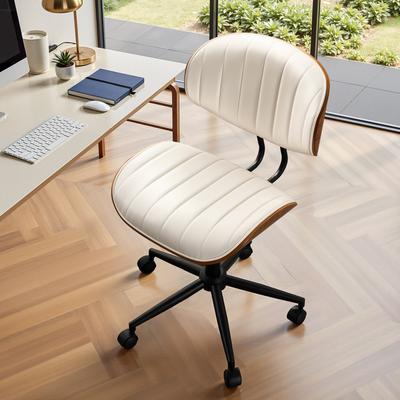
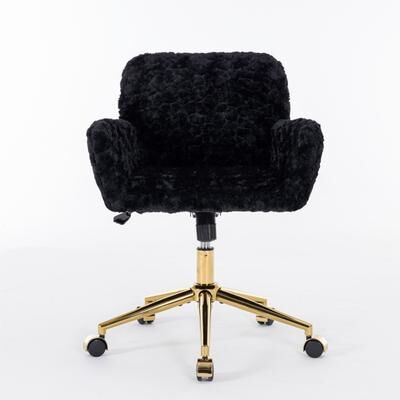
GREATPLANINC Stylish Office Chair Ergonomic Chair Vanity Chair with Adjustable Height Swivel Chair Executive Chair for BedroomThe wider and deeper seat design ensures ample space, while the 40° reclining chassis allows you to relax during breaks. Built with a sturdy 320mm base, this chair offers both style and stability for any workspace.163,49 $*Shipping: 0,00 $Secure redirect to the provider



-
What is the difference between a relative clause and a conjunctional clause?
A relative clause is a type of subordinate clause that provides additional information about a noun in the main clause. It typically begins with a relative pronoun such as "who," "which," or "that." A conjunctional clause, on the other hand, is a type of subordinate clause that functions as an adverb, connecting two independent clauses. It typically begins with a subordinating conjunction such as "because," "although," or "while." In summary, the main difference between the two is that a relative clause provides additional information about a noun, while a conjunctional clause connects two independent clauses. **
-
What is the difference between a conjunctional clause and an adverbial clause?
A conjunctional clause is a type of dependent clause that begins with a subordinating conjunction, such as "because," "although," or "while." It functions to connect the dependent clause to the independent clause and provide additional information about the main clause. An adverbial clause, on the other hand, is a type of dependent clause that functions as an adverb in the sentence, providing information about the time, place, manner, or condition of the action in the main clause. While both types of clauses are dependent and provide additional information, the key difference is that a conjunctional clause connects the dependent clause to the main clause, while an adverbial clause functions as an adverb in the sentence. **
-
How do I recognize a relative clause, a conjunctional clause, and an interrogative clause?
A relative clause typically starts with a relative pronoun (such as who, whom, whose, which, or that) and provides more information about a noun in the main clause. A conjunctional clause, on the other hand, is introduced by a conjunction (such as and, but, or because) and connects two independent clauses. An interrogative clause is a type of clause that asks a question and is typically introduced by an interrogative pronoun (such as who, what, when, where, why, or how) or an interrogative adverb (such as how, when, or where). **
-
How can I recognize a relative clause, a conjunctional clause, and an interrogative clause?
A relative clause is a type of dependent clause that typically starts with a relative pronoun (such as who, whom, whose, which, or that) and provides additional information about a noun in the main clause. A conjunctional clause, on the other hand, is a dependent clause that functions as an adverb, adjective, or noun in a sentence and is connected to the main clause by a conjunction (such as because, although, if, when, etc.). An interrogative clause is a type of clause that asks a question and typically begins with a question word (such as who, what, where, when, why, or how) or with a helping verb followed by the subject. **


Do you find this coffee table modern or stylish?
I find this coffee table to be both modern and stylish. Its sleek design and clean lines give it a modern look, while the use of high-quality materials and attention to detail make it stylish. The combination of these elements makes it a versatile piece that can fit into a variety of home decor styles. **
Where can one find stylish, modern, and trendy fashion for plus-size individuals online?
One can find stylish, modern, and trendy fashion for plus-size individuals online at retailers such as ASOS Curve, Eloquii, and Fashion to Figure. These retailers offer a wide range of trendy clothing options including dresses, tops, bottoms, and outerwear designed specifically for plus-size individuals. Additionally, online marketplaces like Nordstrom and Amazon also offer a variety of stylish and modern plus-size fashion options from a range of different brands. **
Top-Angebote
Products related to Conjunctional:
-
HOOOWOOO Modern Ergonomic Adjustable PU Curved Office ChairTransform your workspace with the Ergonomic Adjustable PU Curved Office Chair by HOOOWOOO. Featuring curved backrest and U-shaped design, this chair not only offer back and lumbar support, but also save space for more area.125,99 $*Shipping: 0,00 $Secure redirect to the provider
-
Curved Modern Upholstered Accent Armchair, Compact Space-Saving Lounge Chair with Ergonomic Contoured BackrestBring sculptural comfort and modern elegance into your home with this beautifully curved accent chair designed for effortless relaxation.365,99 $*Shipping: 0,00 $Secure redirect to the provider
-
What are relative clauses and conjunctional clauses?
Relative clauses are clauses that provide additional information about a noun in the main clause. They are introduced by relative pronouns such as "who," "which," "that," and "whom." For example, in the sentence "The book that I read is very interesting," the relative clause "that I read" provides more information about the noun "book." Conjunctional clauses, on the other hand, are clauses that are connected to the main clause by conjunctions such as "and," "but," "or," "if," and "because." They can express relationships such as addition, contrast, alternative, condition, and cause. For example, in the sentence "I will go to the park if the weather is nice," the conjunctional clause "if the weather is nice" expresses a condition for the action in the main clause. **
-
What are conjunctional clauses, relative clauses, demonstrative clauses, and infinitive clauses?
Conjunctional clauses are dependent clauses that are introduced by a conjunction, such as "because," "although," or "while." They provide additional information about the main clause in a sentence. Relative clauses are also dependent clauses that provide more information about a noun in the main clause. They are introduced by relative pronouns like "who," "which," or "that." Demonstrative clauses are dependent clauses that function as adjectives and provide more information about a noun in the main clause. They are introduced by demonstrative pronouns like "this," "that," "these," or "those." Infinitive clauses are dependent clauses that are formed with an infinitive verb (to + base form of the verb). They can function as nouns, adjectives, or adverbs in a sentence. **
-
What is the difference between a relative clause and a conjunctional clause?
A relative clause is a type of subordinate clause that provides additional information about a noun in the main clause. It typically begins with a relative pronoun such as "who," "which," or "that." A conjunctional clause, on the other hand, is a type of subordinate clause that functions as an adverb, connecting two independent clauses. It typically begins with a subordinating conjunction such as "because," "although," or "while." In summary, the main difference between the two is that a relative clause provides additional information about a noun, while a conjunctional clause connects two independent clauses. **
-
What is the difference between a conjunctional clause and an adverbial clause?
A conjunctional clause is a type of dependent clause that begins with a subordinating conjunction, such as "because," "although," or "while." It functions to connect the dependent clause to the independent clause and provide additional information about the main clause. An adverbial clause, on the other hand, is a type of dependent clause that functions as an adverb in the sentence, providing information about the time, place, manner, or condition of the action in the main clause. While both types of clauses are dependent and provide additional information, the key difference is that a conjunctional clause connects the dependent clause to the main clause, while an adverbial clause functions as an adverb in the sentence. **
Similar search terms for Conjunctional
-
GREATPLANINC Stylish Office Chair Ergonomic Chair Vanity Chair with Adjustable Height Swivel Chair Executive Chair for BedroomThe wider and deeper seat design ensures ample space, while the 40° reclining chassis allows you to relax during breaks. Built with a sturdy 320mm base, this chair offers both style and stability for any workspace.163,49 $*Shipping: 0,00 $Secure redirect to the provider
-
Modern Designs Ergonomic Mesh Office Chair, Adjustable Height, Tilt, Headrest & LumbarBring comfort and functionality to your workspace with this ergonomic mesh office chair. The breathable backrest promotes airflow, while the padded seat, adjustable headrest, and supportive armrests provide added comfort.193,99 $*Shipping: 0,00 $Secure redirect to the provider
-
HOOOWOOO Modern Ergonomic Adjustable PU Curved Office ChairTransform your workspace with the Ergonomic Adjustable PU Curved Office Chair by HOOOWOOO. Featuring curved backrest and U-shaped design, this chair not only offer back and lumbar support, but also save space for more area.122,21 $*Shipping: 0,00 $Secure redirect to the provider
-
How do I recognize a relative clause, a conjunctional clause, and an interrogative clause?
A relative clause typically starts with a relative pronoun (such as who, whom, whose, which, or that) and provides more information about a noun in the main clause. A conjunctional clause, on the other hand, is introduced by a conjunction (such as and, but, or because) and connects two independent clauses. An interrogative clause is a type of clause that asks a question and is typically introduced by an interrogative pronoun (such as who, what, when, where, why, or how) or an interrogative adverb (such as how, when, or where). **
-
How can I recognize a relative clause, a conjunctional clause, and an interrogative clause?
A relative clause is a type of dependent clause that typically starts with a relative pronoun (such as who, whom, whose, which, or that) and provides additional information about a noun in the main clause. A conjunctional clause, on the other hand, is a dependent clause that functions as an adverb, adjective, or noun in a sentence and is connected to the main clause by a conjunction (such as because, although, if, when, etc.). An interrogative clause is a type of clause that asks a question and typically begins with a question word (such as who, what, where, when, why, or how) or with a helping verb followed by the subject. **
-
Do you find this coffee table modern or stylish?
I find this coffee table to be both modern and stylish. Its sleek design and clean lines give it a modern look, while the use of high-quality materials and attention to detail make it stylish. The combination of these elements makes it a versatile piece that can fit into a variety of home decor styles. **
-
Where can one find stylish, modern, and trendy fashion for plus-size individuals online?
One can find stylish, modern, and trendy fashion for plus-size individuals online at retailers such as ASOS Curve, Eloquii, and Fashion to Figure. These retailers offer a wide range of trendy clothing options including dresses, tops, bottoms, and outerwear designed specifically for plus-size individuals. Additionally, online marketplaces like Nordstrom and Amazon also offer a variety of stylish and modern plus-size fashion options from a range of different brands. **
* All prices are inclusive of VAT and, if applicable, plus shipping costs. The offer information is based on the details provided by the respective shop and is updated through automated processes. Real-time updates do not occur, so deviations can occur in individual cases. ** Note: Parts of this content were created by AI.