Buy wcsitz.eu ?
We are moving the project
wcsitz.eu .
Are you interested in purchasing the domain
wcsitz.eu ?
domain@kv-gmbh.de · 0541-91531010
Buy wcsitz.eu ?
Do fish have claustrophobia?
Fish do not have the cognitive ability to experience claustrophobia in the same way that humans do. They are adapted to living in water and are not affected by confined spaces in the same way that humans might be. Fish are able to thrive in environments that may seem small or enclosed to us, and they are well-suited to their aquatic habitats. **
What does claustrophobia mean?
Claustrophobia is a type of anxiety disorder characterized by a fear of enclosed spaces. People with claustrophobia may experience intense feelings of panic or anxiety when in small or confined spaces, such as elevators, tunnels, or crowded rooms. This fear can be debilitating and may lead to avoidance of certain situations or places. Treatment for claustrophobia may include therapy, medication, and relaxation techniques to help manage the fear and anxiety associated with enclosed spaces. **
Similar search terms for Claustrophobia
Top-Angebote
Products related to Claustrophobia:
-
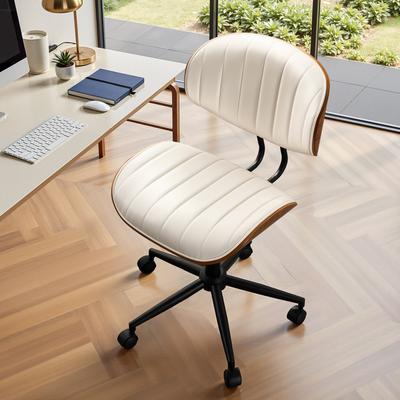
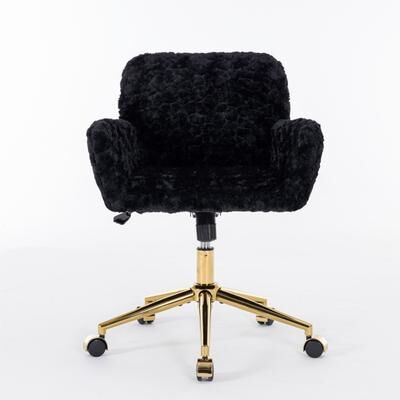
GREATPLANINC Stylish Office Chair Ergonomic Chair Vanity Chair with Adjustable Height Swivel Chair Executive Chair for BedroomThe wider and deeper seat design ensures ample space, while the 40° reclining chassis allows you to relax during breaks. Built with a sturdy 320mm base, this chair offers both style and stability for any workspace.163,49 $*Shipping: 0,00 $Secure redirect to the provider


-
Do you have claustrophobia?
As an AI language model, I do not have personal experiences or feelings, so I do not have claustrophobia. However, I can provide information and support for those who may be dealing with claustrophobia or other anxiety-related issues. If you or someone you know is struggling with claustrophobia, it's important to seek support from a mental health professional who can provide guidance and treatment options. **
-
What causes claustrophobia in horses?
Claustrophobia in horses can be caused by a variety of factors, including past negative experiences in confined spaces, lack of exposure to small or enclosed areas during early training, or a natural instinct for flight and open spaces. Additionally, horses are prey animals and may feel vulnerable or trapped in tight spaces, triggering their claustrophobia. It is important for horse owners and handlers to be aware of these triggers and work to desensitize their horses to confined spaces through gradual exposure and positive reinforcement. **
-
From when is claustrophobia normal?
Claustrophobia is considered normal when it causes mild discomfort or anxiety in certain situations, such as being in a crowded elevator or small room. It becomes a problem when the fear of enclosed spaces significantly impacts a person's daily life, causing them to avoid certain situations or experience severe panic attacks. If claustrophobia starts to interfere with a person's ability to function normally, it is important to seek help from a mental health professional. **
-
What causes claustrophobia at concerts?
Claustrophobia at concerts can be caused by a combination of factors. The crowded and confined space, loud noises, and lack of control over one's surroundings can trigger feelings of anxiety and panic in individuals with claustrophobia. Additionally, the inability to easily leave the crowded area and the potential for physical discomfort from being pressed up against others can exacerbate these feelings. The combination of these factors can make concerts a challenging environment for those with claustrophobia. **

What questions are there about claustrophobia?
Some questions about claustrophobia may include: What are the underlying causes of claustrophobia? How can individuals manage and overcome their fear of enclosed spaces? Are there effective treatments, such as therapy or medication, for claustrophobia? How does claustrophobia impact a person's daily life and mental well-being? Are there ways to prevent or reduce the likelihood of developing claustrophobia? **
What can be done about claustrophobia?
Claustrophobia can be managed through various techniques such as cognitive-behavioral therapy, exposure therapy, and relaxation techniques. Cognitive-behavioral therapy helps individuals identify and change negative thought patterns related to claustrophobia, while exposure therapy gradually exposes individuals to enclosed spaces to help them overcome their fear. Relaxation techniques such as deep breathing, meditation, and progressive muscle relaxation can also help manage anxiety associated with claustrophobia. Seeking support from a mental health professional can provide personalized strategies and support for managing claustrophobia. **
Top-Angebote
Products related to Claustrophobia:
-
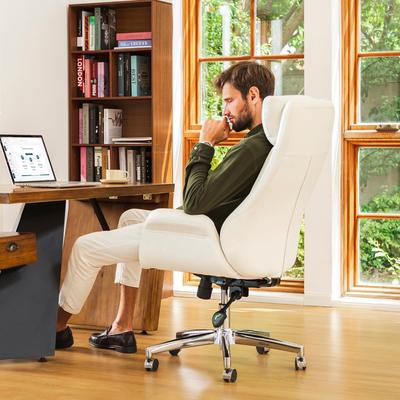
HOOOWOOO Modern Ergonomic Adjustable PU Curved Office ChairTransform your workspace with the Ergonomic Adjustable PU Curved Office Chair by HOOOWOOO. Featuring curved backrest and U-shaped design, this chair not only offer back and lumbar support, but also save space for more area.125,99 $*Shipping: 0,00 $Secure redirect to the provider
-
Curved Modern Upholstered Accent Armchair, Compact Space-Saving Lounge Chair with Ergonomic Contoured BackrestBring sculptural comfort and modern elegance into your home with this beautifully curved accent chair designed for effortless relaxation.365,99 $*Shipping: 0,00 $Secure redirect to the provider
-
Do fish have claustrophobia?
Fish do not have the cognitive ability to experience claustrophobia in the same way that humans do. They are adapted to living in water and are not affected by confined spaces in the same way that humans might be. Fish are able to thrive in environments that may seem small or enclosed to us, and they are well-suited to their aquatic habitats. **
-
What does claustrophobia mean?
Claustrophobia is a type of anxiety disorder characterized by a fear of enclosed spaces. People with claustrophobia may experience intense feelings of panic or anxiety when in small or confined spaces, such as elevators, tunnels, or crowded rooms. This fear can be debilitating and may lead to avoidance of certain situations or places. Treatment for claustrophobia may include therapy, medication, and relaxation techniques to help manage the fear and anxiety associated with enclosed spaces. **
-
Do you have claustrophobia?
As an AI language model, I do not have personal experiences or feelings, so I do not have claustrophobia. However, I can provide information and support for those who may be dealing with claustrophobia or other anxiety-related issues. If you or someone you know is struggling with claustrophobia, it's important to seek support from a mental health professional who can provide guidance and treatment options. **
-
What causes claustrophobia in horses?
Claustrophobia in horses can be caused by a variety of factors, including past negative experiences in confined spaces, lack of exposure to small or enclosed areas during early training, or a natural instinct for flight and open spaces. Additionally, horses are prey animals and may feel vulnerable or trapped in tight spaces, triggering their claustrophobia. It is important for horse owners and handlers to be aware of these triggers and work to desensitize their horses to confined spaces through gradual exposure and positive reinforcement. **
Similar search terms for Claustrophobia
-
GREATPLANINC Stylish Office Chair Ergonomic Chair Vanity Chair with Adjustable Height Swivel Chair Executive Chair for BedroomThe wider and deeper seat design ensures ample space, while the 40° reclining chassis allows you to relax during breaks. Built with a sturdy 320mm base, this chair offers both style and stability for any workspace.163,49 $*Shipping: 0,00 $Secure redirect to the provider
-
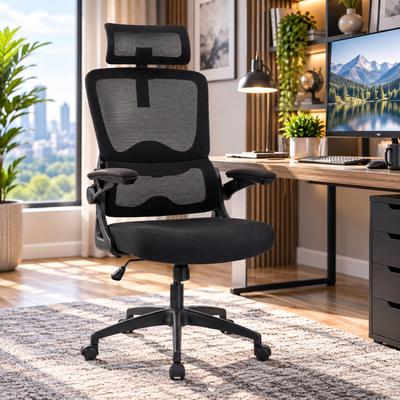
Modern Designs Ergonomic Mesh Office Chair, Adjustable Height, Tilt, Headrest & LumbarBring comfort and functionality to your workspace with this ergonomic mesh office chair. The breathable backrest promotes airflow, while the padded seat, adjustable headrest, and supportive armrests provide added comfort.193,99 $*Shipping: 0,00 $Secure redirect to the provider
-
HOOOWOOO Modern Ergonomic Adjustable PU Curved Office ChairTransform your workspace with the Ergonomic Adjustable PU Curved Office Chair by HOOOWOOO. Featuring curved backrest and U-shaped design, this chair not only offer back and lumbar support, but also save space for more area.122,21 $*Shipping: 0,00 $Secure redirect to the provider
-
From when is claustrophobia normal?
Claustrophobia is considered normal when it causes mild discomfort or anxiety in certain situations, such as being in a crowded elevator or small room. It becomes a problem when the fear of enclosed spaces significantly impacts a person's daily life, causing them to avoid certain situations or experience severe panic attacks. If claustrophobia starts to interfere with a person's ability to function normally, it is important to seek help from a mental health professional. **
-
What causes claustrophobia at concerts?
Claustrophobia at concerts can be caused by a combination of factors. The crowded and confined space, loud noises, and lack of control over one's surroundings can trigger feelings of anxiety and panic in individuals with claustrophobia. Additionally, the inability to easily leave the crowded area and the potential for physical discomfort from being pressed up against others can exacerbate these feelings. The combination of these factors can make concerts a challenging environment for those with claustrophobia. **
-
What questions are there about claustrophobia?
Some questions about claustrophobia may include: What are the underlying causes of claustrophobia? How can individuals manage and overcome their fear of enclosed spaces? Are there effective treatments, such as therapy or medication, for claustrophobia? How does claustrophobia impact a person's daily life and mental well-being? Are there ways to prevent or reduce the likelihood of developing claustrophobia? **
-
What can be done about claustrophobia?
Claustrophobia can be managed through various techniques such as cognitive-behavioral therapy, exposure therapy, and relaxation techniques. Cognitive-behavioral therapy helps individuals identify and change negative thought patterns related to claustrophobia, while exposure therapy gradually exposes individuals to enclosed spaces to help them overcome their fear. Relaxation techniques such as deep breathing, meditation, and progressive muscle relaxation can also help manage anxiety associated with claustrophobia. Seeking support from a mental health professional can provide personalized strategies and support for managing claustrophobia. **
* All prices are inclusive of VAT and, if applicable, plus shipping costs. The offer information is based on the details provided by the respective shop and is updated through automated processes. Real-time updates do not occur, so deviations can occur in individual cases. ** Note: Parts of this content were created by AI.