Buy wcsitz.eu ?
We are moving the project
wcsitz.eu .
Are you interested in purchasing the domain
wcsitz.eu ?
domain@kv-gmbh.de · 0541-91531010
Buy wcsitz.eu ?
When can I transplant arborvitae trees?
Arborvitae trees can be transplanted in the early spring or late fall when the tree is dormant. This allows the tree to establish its roots before the stress of hot summer temperatures or freezing winter conditions. It is important to water the tree well before and after transplanting to help reduce transplant shock and ensure successful establishment in its new location. Additionally, it is best to transplant arborvitae trees when they are young, as older trees may have a more established root system that can make transplanting more difficult. **
How do I care for arborvitae trees?
Arborvitae trees require regular watering, especially during their first year of growth. They prefer well-drained soil and should be mulched to help retain moisture. Pruning is recommended to maintain their desired shape and remove any dead or damaged branches. Fertilizing in the spring can help promote healthy growth. Additionally, protecting them from strong winds and heavy snow can prevent damage to the branches. **


Similar search terms for Arborvitae
Top-Angebote
Products related to Arborvitae:
-
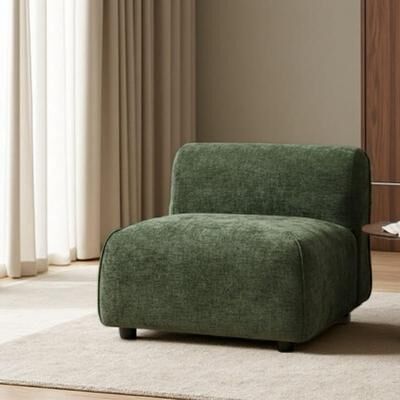
Curved Modern Upholstered Accent Armchair, Compact Space-Saving Lounge Chair with Ergonomic Contoured BackrestBring sculptural comfort and modern elegance into your home with this beautifully curved accent chair designed for effortless relaxation.365,99 $*Shipping: 0,00 $Secure redirect to the provider
-
GREATPLANINC Stylish Office Chair Ergonomic Chair Vanity Chair with Adjustable Height Swivel Chair Executive Chair for BedroomThe wider and deeper seat design ensures ample space, while the 40° reclining chassis allows you to relax during breaks. Built with a sturdy 320mm base, this chair offers both style and stability for any workspace.163,49 $*Shipping: 0,00 $Secure redirect to the provider



-
Is ivy a threat to arborvitae hedges?
Yes, ivy can be a threat to arborvitae hedges. Ivy can compete with arborvitae for nutrients and water, potentially weakening the hedge. Additionally, ivy can grow aggressively and may smother the arborvitae if left unchecked. It is important to regularly monitor and manage any ivy growth near arborvitae hedges to prevent potential damage. **
-
Is ivy a danger to arborvitae hedges?
Yes, ivy can be a danger to arborvitae hedges. Ivy can compete with the arborvitae for water, nutrients, and sunlight, which can weaken the arborvitae and make it more susceptible to disease and pest infestations. Additionally, ivy can also weigh down the arborvitae branches and cause them to become misshapen or even break. It's important to regularly monitor and manage any ivy growth near arborvitae hedges to prevent potential damage. **
-
How can one restore a run-down arborvitae?
To restore a run-down arborvitae, start by pruning away any dead or damaged branches to improve the overall health and appearance of the tree. Next, provide the arborvitae with proper watering and fertilization to promote new growth and improve its overall health. Consider applying a layer of mulch around the base of the tree to help retain moisture and protect the roots. Additionally, consider consulting with a professional arborist for further guidance on restoring the arborvitae to its optimal condition. **
-
When do dead arborvitae plants lose their poison?
Dead arborvitae plants can still retain their toxic properties for some time after they have died. It is important to handle dead arborvitae plants with caution and wear gloves when removing them. The poison in dead arborvitae plants can persist for several months, so it is best to wait until the plant has fully decomposed before handling it without protection. It is always best to err on the side of caution and assume that the poison in dead arborvitae plants is still present until they have completely decomposed. **


How do I remove an old arborvitae hedge?
To remove an old arborvitae hedge, start by cutting back the branches and foliage using pruning shears or a chainsaw. Cut the branches close to the trunk or main stem to make the removal process easier. Once the branches are removed, you can then dig up the roots using a shovel or a mechanical root grinder. Be sure to remove as much of the root system as possible to prevent regrowth. Finally, dispose of the branches and roots properly, either by composting or taking them to a green waste facility. **
Help, why is my arborvitae hedge suddenly turning brown?
There are several reasons why your arborvitae hedge may be turning brown suddenly. Some common causes include overwatering, underwatering, poor soil drainage, extreme weather conditions, pests, diseases, or improper pruning. It's important to inspect the hedge closely to determine the exact cause and take appropriate action to address the issue. Consider consulting with a local horticulturist or arborist for a professional assessment and recommendations for treatment. **
Top-Angebote
Products related to Arborvitae:
-
Northlight 3' Artificial Cedar Pine Petite Arborvitae Tree in Round Pot UnlitCapture the spirit of the forest with this remarkable mini cedar pine arborvitae tree. This artificial tree looks incredibly real yet requires none of the maintenance of a living shrub.87,99 $*Shipping: 0,00 $Secure redirect to the provider
-
HOOOWOOO Modern Ergonomic Adjustable PU Curved Office ChairTransform your workspace with the Ergonomic Adjustable PU Curved Office Chair by HOOOWOOO. Featuring curved backrest and U-shaped design, this chair not only offer back and lumbar support, but also save space for more area.125,99 $*Shipping: 0,00 $Secure redirect to the provider
-
Curved Modern Upholstered Accent Armchair, Compact Space-Saving Lounge Chair with Ergonomic Contoured BackrestBring sculptural comfort and modern elegance into your home with this beautifully curved accent chair designed for effortless relaxation.365,99 $*Shipping: 0,00 $Secure redirect to the provider
-
When can I transplant arborvitae trees?
Arborvitae trees can be transplanted in the early spring or late fall when the tree is dormant. This allows the tree to establish its roots before the stress of hot summer temperatures or freezing winter conditions. It is important to water the tree well before and after transplanting to help reduce transplant shock and ensure successful establishment in its new location. Additionally, it is best to transplant arborvitae trees when they are young, as older trees may have a more established root system that can make transplanting more difficult. **
-
How do I care for arborvitae trees?
Arborvitae trees require regular watering, especially during their first year of growth. They prefer well-drained soil and should be mulched to help retain moisture. Pruning is recommended to maintain their desired shape and remove any dead or damaged branches. Fertilizing in the spring can help promote healthy growth. Additionally, protecting them from strong winds and heavy snow can prevent damage to the branches. **
-
Is ivy a threat to arborvitae hedges?
Yes, ivy can be a threat to arborvitae hedges. Ivy can compete with arborvitae for nutrients and water, potentially weakening the hedge. Additionally, ivy can grow aggressively and may smother the arborvitae if left unchecked. It is important to regularly monitor and manage any ivy growth near arborvitae hedges to prevent potential damage. **
-
Is ivy a danger to arborvitae hedges?
Yes, ivy can be a danger to arborvitae hedges. Ivy can compete with the arborvitae for water, nutrients, and sunlight, which can weaken the arborvitae and make it more susceptible to disease and pest infestations. Additionally, ivy can also weigh down the arborvitae branches and cause them to become misshapen or even break. It's important to regularly monitor and manage any ivy growth near arborvitae hedges to prevent potential damage. **
Similar search terms for Arborvitae
-
GREATPLANINC Stylish Office Chair Ergonomic Chair Vanity Chair with Adjustable Height Swivel Chair Executive Chair for BedroomThe wider and deeper seat design ensures ample space, while the 40° reclining chassis allows you to relax during breaks. Built with a sturdy 320mm base, this chair offers both style and stability for any workspace.163,49 $*Shipping: 0,00 $Secure redirect to the provider
-
iBathUK Aventa Wall Hung Modern Square Ceramic Cloakroom Basin, Durable and Stylish Ceramic Basin Natural 360mm WThe iBathUK Aventa Modern Wall Hung Rectangular Counter Top Ceramic Wash Basin Sink is a sleek and versatile addition to contemporary bathrooms, cloakrooms, or en-suites. Its wall-hung design creates a floating effect that maximises floor space while enhancing the modern aesthetic of your bathroom. Made from high-quality gloss white ceramic, the basin is durable, resistant to scratches and stains, and retains a polished finish over time. Its rectangular shape adds a contemporary edge and provides a spacious surface for practical daily use. Designed for both countertop and wall-mounted installation, this basin suits a wide range of bathroom layouts. Its compact dimensions make it ideal for smaller spaces while maintaining style and functionality. The premium ceramic construction ensures long-lasting durability and easy maintenance, making it a practical and stylish choice for modern homes. Key Features: 1. Durable Ceramic Construction: Crafted from premium gloss white ceramic, the basin is built to withstand daily use, resisting scratches, stains, and minor impacts while maintaining a pristine appearance. 2. Versatile Installation Options: With dimensions of H13 x W36 x D51 cm and a lightweight design of 11.5kg, it can be installed as a wall-hung or countertop basin, offering flexibility for various bathroom layouts. 3. Functional Tap and Waste Setup: The basin includes a 35mm tap hole, 45mm waste hole, and a 45x8mm overflow hole, providing reliable water management and compatibility with standard fittings. 4. Modern Rectangular Design: The clean, sharp lines of the rectangular basin give your bathroom a contemporary and sophisticated look, complementing minimalist décor schemes. 5. Hygienic and Easy to Maintain: The high-gloss glazed surface is effortless to clean, helping maintain a polished and hygienic bathroom environment with minimal effort. iBathUK46,99 £*Shipping: 4,99 £Secure redirect to the provider
-
How can one restore a run-down arborvitae?
To restore a run-down arborvitae, start by pruning away any dead or damaged branches to improve the overall health and appearance of the tree. Next, provide the arborvitae with proper watering and fertilization to promote new growth and improve its overall health. Consider applying a layer of mulch around the base of the tree to help retain moisture and protect the roots. Additionally, consider consulting with a professional arborist for further guidance on restoring the arborvitae to its optimal condition. **
-
When do dead arborvitae plants lose their poison?
Dead arborvitae plants can still retain their toxic properties for some time after they have died. It is important to handle dead arborvitae plants with caution and wear gloves when removing them. The poison in dead arborvitae plants can persist for several months, so it is best to wait until the plant has fully decomposed before handling it without protection. It is always best to err on the side of caution and assume that the poison in dead arborvitae plants is still present until they have completely decomposed. **
-
How do I remove an old arborvitae hedge?
To remove an old arborvitae hedge, start by cutting back the branches and foliage using pruning shears or a chainsaw. Cut the branches close to the trunk or main stem to make the removal process easier. Once the branches are removed, you can then dig up the roots using a shovel or a mechanical root grinder. Be sure to remove as much of the root system as possible to prevent regrowth. Finally, dispose of the branches and roots properly, either by composting or taking them to a green waste facility. **
-
Help, why is my arborvitae hedge suddenly turning brown?
There are several reasons why your arborvitae hedge may be turning brown suddenly. Some common causes include overwatering, underwatering, poor soil drainage, extreme weather conditions, pests, diseases, or improper pruning. It's important to inspect the hedge closely to determine the exact cause and take appropriate action to address the issue. Consider consulting with a local horticulturist or arborist for a professional assessment and recommendations for treatment. **
* All prices are inclusive of VAT and, if applicable, plus shipping costs. The offer information is based on the details provided by the respective shop and is updated through automated processes. Real-time updates do not occur, so deviations can occur in individual cases. ** Note: Parts of this content were created by AI.