Buy wcsitz.eu ?
We are moving the project
wcsitz.eu .
Are you interested in purchasing the domain
wcsitz.eu ?
domain@kv-gmbh.de · 0541-91531010
Buy wcsitz.eu ?
Are wages liabilities?
Yes, wages are considered liabilities for a company because they represent an obligation to pay employees for their work. From an accounting perspective, wages are typically recorded as a liability on the company's balance sheet until they are paid to the employees. This reflects the company's obligation to fulfill its financial commitments to its employees. Therefore, wages are classified as a liability until they are settled. **
What are liabilities and receivables?
Liabilities are obligations or debts that a company owes to external parties, such as loans, accounts payable, or accrued expenses. They represent the company's financial responsibilities that must be settled in the future. Receivables, on the other hand, are amounts owed to a company by its customers or other parties for goods or services provided. They represent the company's right to receive payment and are considered assets on the company's balance sheet. Both liabilities and receivables are important components of a company's financial position and are crucial for assessing its overall financial health. **

Similar search terms for Liabilities
Top-Angebote
Products related to Liabilities:
-
Curved Modern Upholstered Accent Armchair, Compact Space-Saving Lounge Chair with Ergonomic Contoured BackrestBring sculptural comfort and modern elegance into your home with this beautifully curved accent chair designed for effortless relaxation.365,99 $*Shipping: 0,00 $Secure redirect to the provider
-
GREATPLANINC Stylish Office Chair Ergonomic Chair Vanity Chair with Adjustable Height Swivel Chair Executive Chair for BedroomThe wider and deeper seat design ensures ample space, while the 40° reclining chassis allows you to relax during breaks. Built with a sturdy 320mm base, this chair offers both style and stability for any workspace.163,49 $*Shipping: 0,00 $Secure redirect to the provider
-
iBathUK Aventa Wall Hung Modern Square Ceramic Cloakroom Basin, Durable and Stylish Ceramic Basin Natural 360mm WThe iBathUK Aventa Modern Wall Hung Rectangular Counter Top Ceramic Wash Basin Sink is a sleek and versatile addition to contemporary bathrooms, cloakrooms, or en-suites. Its wall-hung design creates a floating effect that maximises floor space while enhancing the modern aesthetic of your bathroom. Made from high-quality gloss white ceramic, the basin is durable, resistant to scratches and stains, and retains a polished finish over time. Its rectangular shape adds a contemporary edge and provides a spacious surface for practical daily use. Designed for both countertop and wall-mounted installation, this basin suits a wide range of bathroom layouts. Its compact dimensions make it ideal for smaller spaces while maintaining style and functionality. The premium ceramic construction ensures long-lasting durability and easy maintenance, making it a practical and stylish choice for modern homes. Key Features: 1. Durable Ceramic Construction: Crafted from premium gloss white ceramic, the basin is built to withstand daily use, resisting scratches, stains, and minor impacts while maintaining a pristine appearance. 2. Versatile Installation Options: With dimensions of H13 x W36 x D51 cm and a lightweight design of 11.5kg, it can be installed as a wall-hung or countertop basin, offering flexibility for various bathroom layouts. 3. Functional Tap and Waste Setup: The basin includes a 35mm tap hole, 45mm waste hole, and a 45x8mm overflow hole, providing reliable water management and compatibility with standard fittings. 4. Modern Rectangular Design: The clean, sharp lines of the rectangular basin give your bathroom a contemporary and sophisticated look, complementing minimalist décor schemes. 5. Hygienic and Easy to Maintain: The high-gloss glazed surface is effortless to clean, helping maintain a polished and hygienic bathroom environment with minimal effort. iBathUK46,99 £*Shipping: 4,99 £Secure redirect to the provider




-
How are the assets and liabilities evaluated?
Assets and liabilities are evaluated based on their current market value or book value. For assets, this means determining their fair market value, which is the price that they could be sold for in the current market. Liabilities are evaluated based on their current outstanding balance or the amount that is owed. This evaluation helps to determine the financial health and position of a company, as well as its ability to meet its financial obligations. **
-
Why is equity on the liabilities side?
Equity is placed on the liabilities side of the balance sheet because it represents the claims of the company's owners or shareholders on the company's assets. It is considered a liability because the company has an obligation to its owners to repay their investment in the business. However, unlike other liabilities, equity does not have a fixed repayment schedule and is considered a residual claim, meaning it is only paid out after all other liabilities have been settled. Therefore, equity is categorized as a liability on the balance sheet to accurately reflect the financial obligations of the company. **
-
What are transitory assets and/or liabilities?
Transitory assets and/or liabilities are items on a company's balance sheet that are expected to be settled or used up within a relatively short period of time, typically within one year. These items are considered to be temporary in nature and are not expected to have a long-term impact on the company's financial position. Examples of transitory assets include cash, accounts receivable, and inventory, while examples of transitory liabilities include accounts payable and short-term debt. It is important for investors and analysts to understand the nature of these transitory items when evaluating a company's financial health and performance. **
-
How can accounting, liabilities, and receivables be interconnected?
Accounting, liabilities, and receivables are interconnected in the sense that they all play a role in a company's financial health. Liabilities are debts or obligations that a company owes, which are recorded on the balance sheet as part of the accounting process. Receivables, on the other hand, represent money owed to the company by its customers or clients, and are also recorded on the balance sheet as assets. The relationship between these two is that receivables can eventually become liabilities if they are not collected in a timely manner, which can impact the company's financial position. Therefore, proper accounting practices are essential to accurately track and manage both liabilities and receivables to ensure the company's financial stability. **


What is a statement of assets and liabilities?
A statement of assets and liabilities is a financial document that provides a snapshot of an individual's or organization's financial position at a specific point in time. It lists all the assets, such as cash, investments, property, and equipment, as well as all the liabilities, such as loans, mortgages, and other debts. The statement helps to assess the overall financial health and solvency of the entity by comparing the total assets to the total liabilities. It is an essential tool for financial planning, decision-making, and assessing the ability to meet financial obligations. **
How can liabilities be settled in other ways?
Liabilities can be settled in other ways through various means such as debt restructuring, where the terms of the debt are renegotiated to make it more manageable for the debtor. Another way is through debt-for-equity swaps, where the creditor agrees to convert the debt into an ownership stake in the debtor's company. Additionally, liabilities can be settled through the sale of assets, where the debtor sells off assets to generate cash to pay off the liabilities. Finally, some liabilities can be settled through the issuance of new debt to replace the existing liabilities, known as refinancing. **
Top-Angebote
Products related to Liabilities:
-
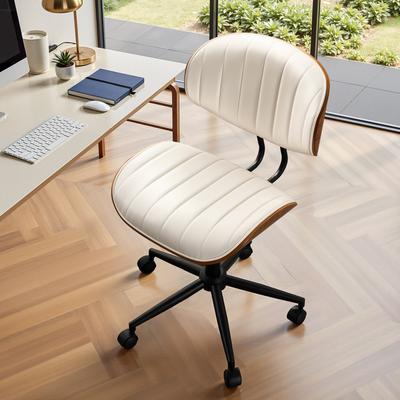
HOOOWOOO Modern Ergonomic Adjustable PU Curved Office ChairTransform your workspace with the Ergonomic Adjustable PU Curved Office Chair by HOOOWOOO. Featuring curved backrest and U-shaped design, this chair not only offer back and lumbar support, but also save space for more area.125,99 $*Shipping: 0,00 $Secure redirect to the provider
-
Curved Modern Upholstered Accent Armchair, Compact Space-Saving Lounge Chair with Ergonomic Contoured BackrestBring sculptural comfort and modern elegance into your home with this beautifully curved accent chair designed for effortless relaxation.365,99 $*Shipping: 0,00 $Secure redirect to the provider
-
GREATPLANINC Stylish Office Chair Ergonomic Chair Vanity Chair with Adjustable Height Swivel Chair Executive Chair for BedroomThe wider and deeper seat design ensures ample space, while the 40° reclining chassis allows you to relax during breaks. Built with a sturdy 320mm base, this chair offers both style and stability for any workspace.163,49 $*Shipping: 0,00 $Secure redirect to the provider
-
Are wages liabilities?
Yes, wages are considered liabilities for a company because they represent an obligation to pay employees for their work. From an accounting perspective, wages are typically recorded as a liability on the company's balance sheet until they are paid to the employees. This reflects the company's obligation to fulfill its financial commitments to its employees. Therefore, wages are classified as a liability until they are settled. **
-
What are liabilities and receivables?
Liabilities are obligations or debts that a company owes to external parties, such as loans, accounts payable, or accrued expenses. They represent the company's financial responsibilities that must be settled in the future. Receivables, on the other hand, are amounts owed to a company by its customers or other parties for goods or services provided. They represent the company's right to receive payment and are considered assets on the company's balance sheet. Both liabilities and receivables are important components of a company's financial position and are crucial for assessing its overall financial health. **
-
How are the assets and liabilities evaluated?
Assets and liabilities are evaluated based on their current market value or book value. For assets, this means determining their fair market value, which is the price that they could be sold for in the current market. Liabilities are evaluated based on their current outstanding balance or the amount that is owed. This evaluation helps to determine the financial health and position of a company, as well as its ability to meet its financial obligations. **
-
Why is equity on the liabilities side?
Equity is placed on the liabilities side of the balance sheet because it represents the claims of the company's owners or shareholders on the company's assets. It is considered a liability because the company has an obligation to its owners to repay their investment in the business. However, unlike other liabilities, equity does not have a fixed repayment schedule and is considered a residual claim, meaning it is only paid out after all other liabilities have been settled. Therefore, equity is categorized as a liability on the balance sheet to accurately reflect the financial obligations of the company. **
Similar search terms for Liabilities
-
iBathUK Aventa Wall Hung Modern Square Ceramic Cloakroom Basin, Durable and Stylish Ceramic Basin Natural 360mm WThe iBathUK Aventa Modern Wall Hung Rectangular Counter Top Ceramic Wash Basin Sink is a sleek and versatile addition to contemporary bathrooms, cloakrooms, or en-suites. Its wall-hung design creates a floating effect that maximises floor space while enhancing the modern aesthetic of your bathroom. Made from high-quality gloss white ceramic, the basin is durable, resistant to scratches and stains, and retains a polished finish over time. Its rectangular shape adds a contemporary edge and provides a spacious surface for practical daily use. Designed for both countertop and wall-mounted installation, this basin suits a wide range of bathroom layouts. Its compact dimensions make it ideal for smaller spaces while maintaining style and functionality. The premium ceramic construction ensures long-lasting durability and easy maintenance, making it a practical and stylish choice for modern homes. Key Features: 1. Durable Ceramic Construction: Crafted from premium gloss white ceramic, the basin is built to withstand daily use, resisting scratches, stains, and minor impacts while maintaining a pristine appearance. 2. Versatile Installation Options: With dimensions of H13 x W36 x D51 cm and a lightweight design of 11.5kg, it can be installed as a wall-hung or countertop basin, offering flexibility for various bathroom layouts. 3. Functional Tap and Waste Setup: The basin includes a 35mm tap hole, 45mm waste hole, and a 45x8mm overflow hole, providing reliable water management and compatibility with standard fittings. 4. Modern Rectangular Design: The clean, sharp lines of the rectangular basin give your bathroom a contemporary and sophisticated look, complementing minimalist décor schemes. 5. Hygienic and Easy to Maintain: The high-gloss glazed surface is effortless to clean, helping maintain a polished and hygienic bathroom environment with minimal effort. iBathUK46,99 £*Shipping: 4,99 £Secure redirect to the provider
-
GREATPLANINC Stylish Swivel Chair Office Chair Ergonomic Chair with Curved Seat and Adjustable Height Executive Chair Vanity Chair,BrownElevate your workspace with this sleek swivel chair, combining comfort and style with its curved seat and soft faux leather upholstery.115,98 $*Shipping: 0,00 $Secure redirect to the provider
-
HOOOWOOO Modern Ergonomic Adjustable PU Curved Office ChairTransform your workspace with the Ergonomic Adjustable PU Curved Office Chair by HOOOWOOO. Featuring curved backrest and U-shaped design, this chair not only offer back and lumbar support, but also save space for more area.122,21 $*Shipping: 0,00 $Secure redirect to the provider
-
What are transitory assets and/or liabilities?
Transitory assets and/or liabilities are items on a company's balance sheet that are expected to be settled or used up within a relatively short period of time, typically within one year. These items are considered to be temporary in nature and are not expected to have a long-term impact on the company's financial position. Examples of transitory assets include cash, accounts receivable, and inventory, while examples of transitory liabilities include accounts payable and short-term debt. It is important for investors and analysts to understand the nature of these transitory items when evaluating a company's financial health and performance. **
-
How can accounting, liabilities, and receivables be interconnected?
Accounting, liabilities, and receivables are interconnected in the sense that they all play a role in a company's financial health. Liabilities are debts or obligations that a company owes, which are recorded on the balance sheet as part of the accounting process. Receivables, on the other hand, represent money owed to the company by its customers or clients, and are also recorded on the balance sheet as assets. The relationship between these two is that receivables can eventually become liabilities if they are not collected in a timely manner, which can impact the company's financial position. Therefore, proper accounting practices are essential to accurately track and manage both liabilities and receivables to ensure the company's financial stability. **
-
What is a statement of assets and liabilities?
A statement of assets and liabilities is a financial document that provides a snapshot of an individual's or organization's financial position at a specific point in time. It lists all the assets, such as cash, investments, property, and equipment, as well as all the liabilities, such as loans, mortgages, and other debts. The statement helps to assess the overall financial health and solvency of the entity by comparing the total assets to the total liabilities. It is an essential tool for financial planning, decision-making, and assessing the ability to meet financial obligations. **
-
How can liabilities be settled in other ways?
Liabilities can be settled in other ways through various means such as debt restructuring, where the terms of the debt are renegotiated to make it more manageable for the debtor. Another way is through debt-for-equity swaps, where the creditor agrees to convert the debt into an ownership stake in the debtor's company. Additionally, liabilities can be settled through the sale of assets, where the debtor sells off assets to generate cash to pay off the liabilities. Finally, some liabilities can be settled through the issuance of new debt to replace the existing liabilities, known as refinancing. **
* All prices are inclusive of VAT and, if applicable, plus shipping costs. The offer information is based on the details provided by the respective shop and is updated through automated processes. Real-time updates do not occur, so deviations can occur in individual cases. ** Note: Parts of this content were created by AI.