Buy wcsitz.eu ?
We are moving the project
wcsitz.eu .
Are you interested in purchasing the domain
wcsitz.eu ?
domain@kv-gmbh.de · 0541-91531010
Buy wcsitz.eu ?
Why do we call the present time modern/early modern and not the modern middle ages or simply middle ages?
We call the present time modern or early modern because it is characterized by significant advancements in technology, science, and social organization. The term "modern" reflects the rapid changes and progress that have occurred in recent centuries. On the other hand, the Middle Ages is a distinct historical period that is often associated with feudalism, the dominance of the Catholic Church, and limited technological and intellectual development. Therefore, it is not referred to as the "modern Middle Ages" because it does not reflect the same level of progress and change as the present era. **
What is the difference between modern times and the Middle Ages?
One key difference between modern times and the Middle Ages is the level of technological advancement. In modern times, we have access to advanced technology that has transformed various aspects of our lives, such as communication, transportation, and healthcare. Additionally, there have been significant advancements in areas like science, education, and human rights since the Middle Ages. Another difference is the shift in societal structures and values, with modern society being more diverse, inclusive, and democratic compared to the hierarchical and often oppressive systems of the Middle Ages. **

Similar search terms for Ages
Top-Angebote
Products related to Ages:
-
World's Smallest Jenga - Compact Travel Stacking Game, Ages 6+, by Worlds SmallestIntroducing the World's Smallest Jenga, a compact and captivating twist on the classic stacking game. This miniature version of the beloved Jenga game brings all the fun and excitement of the original, but in a size that's perfect for travel and on-the-go entertainment. Measuring at a fraction of the size of the regular Jenga, the World's Smallest Jenga is designed to be portable and convenient. Its small blocks fit perfectly in the palm of your hand, making it easy to take the game with you wherever you go. Whether you're heading on a road trip, going camping, or simply want a fun game to play with friends and family, this mini Jenga set is a great option. Carefully remove one block at a time and stack it on top, but beware of the wobbly tower! With each move, the tension builds as you try to keep the tower from toppling over. It's a game that tests your skill and strategy, providing a fun challenge for players of all ages.8,79 £*Shipping: 3,95 £Secure redirect to the provider
-
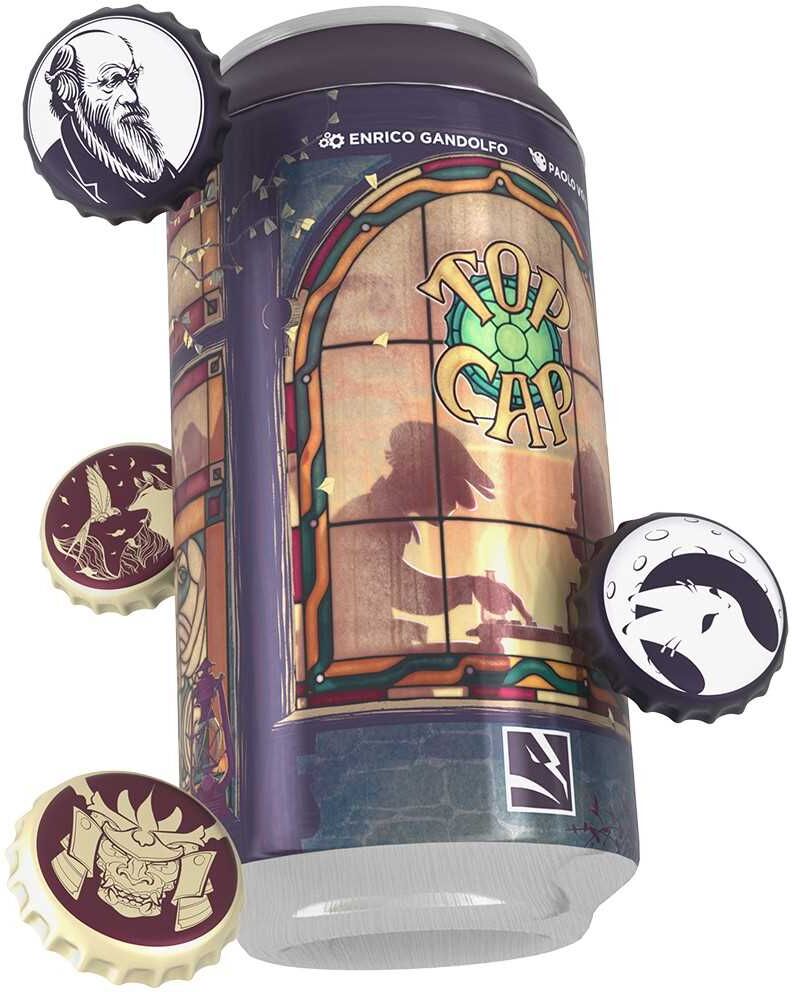
TopCap Compact Dexterity Game for 2 Players by Thundergryph Games, Ages 10+TopCap is a compact dexterity and strategy game designed for relaxed head-to-head play. It's a great way to challenge your friends to a deceptively tricky contest of movement and positioning. The aim is simple: move your cap onto your opponent's bottle before they can do the same to you. The challenge comes from the way each cap affects the movement of the others, turning every attempt into a changing puzzle. Careful planning, timing, and a little tactical creativity can make the difference between a successful move and a blocked route. TopCap is a compact format game, perfect for tabletop or pub-style gaming. It encourages forward planning and adaptable play, making it a quick-to-learn challenge for game nights and casual gatherings. Can you find the elusive path to victory and become the Top Cap?12,27 £*Shipping: 3,95 £Secure redirect to the provider
-
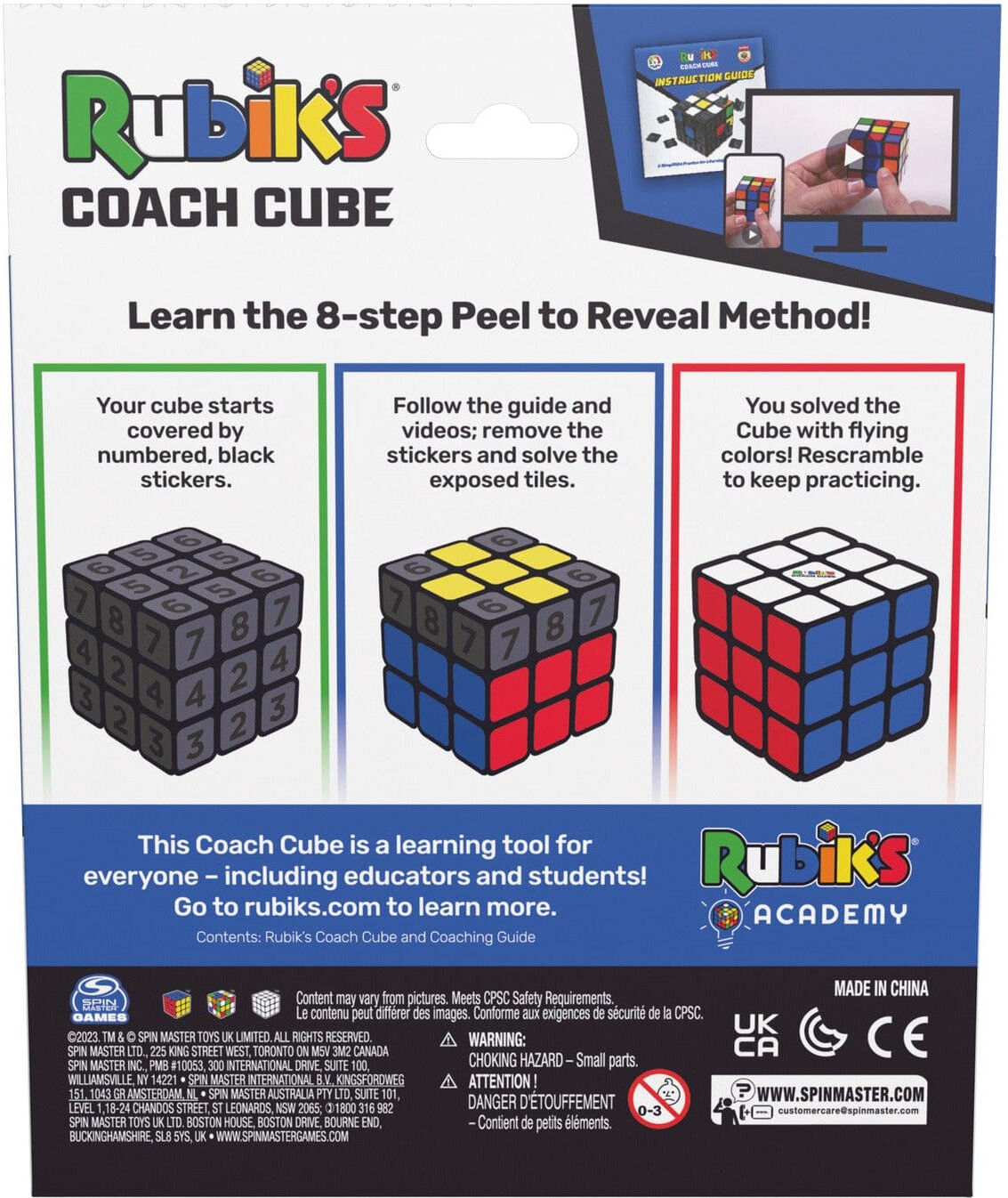
Spin Master Rubik's Tutor Cube Puzzle For Learning Skills All Ages - Supports learning skills for all ages, compact, sturdy design, great gift ideaMeet the Rubik's Tutor Cube, a clever twist on the classic puzzle that combines fun and learning. Perfect for curious minds of all ages, it helps develop problem-solving skills while you play. Designed with learning in mind, the Tutor Cube guides you through pattern recognition, planning, and persistence. Its compact, sturdy design makes it easy to pick up and put down, making it ideal for short practice sessions, family game nights, or a quiet moment of concentration during a busy day. The Rubik's Tutor Cube is a great gift idea for birthdays, holidays, or classroom rewards. It can be enjoyed as a learning tool, a display piece on a shelf, or a collectible for puzzle fans. The Tutor Cube is a thoughtful gift for kids and grown-ups alike who love a clever challenge.12,90 £*Shipping: 3,95 £Secure redirect to the provider
-
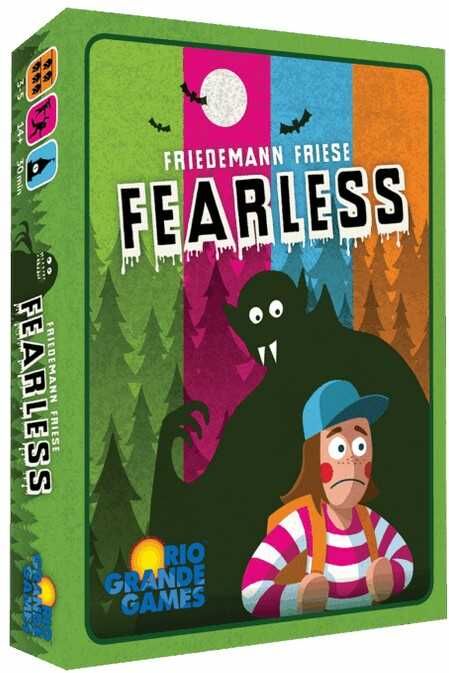
Fearless - Compact Strategy Game by Rio Grande Games, Ages 8+, 1-4 PlayersIn Fearless, players navigate a gloomy forest surrounding a frightening ruin. The goal is to stay as close as possible to the safe path while deciding when to move forward and when to turn back. Wandering too far from safety increases the fear you suffer, but staying still has its own cost: you may be left behind while others continue their journey. Each choice affects your position and your chances of becoming the most fearless player. This compact strategy game is about risk, positioning, and carefully timed decisions. Its small format makes it suitable for tabletop gaming sessions at home or while traveling. Fearless is a game where you'll need to manage your fear and make strategic decisions to score points over several rounds and compete to finish as the most fearless.15,73 £*Shipping: 3,95 £Secure redirect to the provider

-
What is the difference between the Middle Ages and modern times?
The Middle Ages, also known as the medieval period, spanned roughly from the 5th to the 15th century and was characterized by feudalism, the dominance of the Catholic Church, and limited technological advancements. In contrast, modern times refer to the period from the 16th century to the present day, marked by significant advancements in science, technology, and industry, as well as the rise of democratic governments and human rights. The Middle Ages were a time of relative stagnation and limited social mobility, while modern times have seen rapid progress, globalization, and interconnectedness on a global scale. **
-
What are the differences between the Middle Ages and modern times?
The Middle Ages, also known as the medieval period, was a time of feudalism, chivalry, and the dominance of the Catholic Church. In contrast, modern times are characterized by democracy, capitalism, and the separation of church and state. The Middle Ages were marked by limited technological advancements and a focus on agriculture, while modern times are defined by rapid technological progress and a shift towards industrialization and urbanization. Additionally, the Middle Ages were a time of limited education and widespread illiteracy, while modern times have seen a significant increase in access to education and literacy rates. **
-
What is the transition between the Middle Ages and the Modern Era?
The transition between the Middle Ages and the Modern Era is often referred to as the Renaissance. This period saw a revival of interest in art, literature, and learning, as well as a shift towards humanism and individualism. The Renaissance also brought about advancements in science, technology, and exploration, leading to significant changes in society and culture. This transition marked a shift from the feudal system and the dominance of the Catholic Church to the rise of nation-states, the growth of trade and commerce, and the spread of new ideas and knowledge. **
-
Does anyone know the feeling of living in a modern Middle Ages?
Living in a modern Middle Ages may refer to a time when certain aspects of life resemble those of the historical Middle Ages, such as limited access to technology, lack of modern amenities, or a sense of societal regression. While some individuals may have experienced a lifestyle that mirrors certain aspects of the Middle Ages, it is important to recognize that the comparison is not entirely accurate. The Middle Ages were characterized by specific historical, cultural, and social conditions that are not fully replicated in the modern world. Therefore, while some people may feel a sense of living in a modern Middle Ages due to certain circumstances, it is not an exact parallel to the historical period. **


How have the changes evolved from the Middle Ages to modern times?
The changes from the Middle Ages to modern times have evolved significantly in terms of technology, social structure, and cultural norms. In the Middle Ages, society was largely agrarian and feudal, with limited technological advancements and a rigid social hierarchy. As time progressed, the Renaissance brought about a revival of art, science, and learning, leading to the Age of Enlightenment and the Industrial Revolution, which transformed society through technological innovation and urbanization. In modern times, globalization, the digital revolution, and the rise of democracy have further reshaped the world, leading to interconnectedness and rapid advancements in technology and communication. Overall, the changes have evolved from a predominantly agrarian and feudal society to a highly interconnected, technologically advanced, and diverse global community. **
Why is the Middle Ages actually called the Middle Ages?
The Middle Ages is called so because it is the period of time between the fall of the Roman Empire in the 5th century and the beginning of the Renaissance in the 14th century. It is considered the "middle" period between the classical antiquity of the Roman Empire and the modern era. This period is also known as the medieval period, and it is characterized by the development of feudalism, the rise of Christianity, and the dominance of monarchies in Europe. **
Top-Angebote
Products related to Ages:
-
Spidey and Friends Deluxe Feature Vehicle by Jazwares - Compact Size - Durable Plastic Construction - Ages SuitableBring the world of Marvel's Spidey and Friends to life with the Spidey and Friends Deluxe Feature Vehicle. This exciting vehicle set is perfect for kids and collectors alike, featuring vibrant design and interactive elements. The set includes mini action figures of Spidey and Friends, and with its lights and sounds, it's an engaging addition to any playtime. Made from durable plastic, this vehicle is designed for lasting enjoyment and easy assembly. It's a great gift for birthdays, holidays, or special occasions, and its compact size makes it easy to display. The Spidey and Friends Deluxe Feature Vehicle is a special edition, limited release, making it a unique collector's item. The vehicle is inspired by the animated series and features a brightly coloured design. Jazwares brings this exciting character to life with their attention to detail and commitment to quality.24,29 £*Shipping: 3,95 £Secure redirect to the provider
-
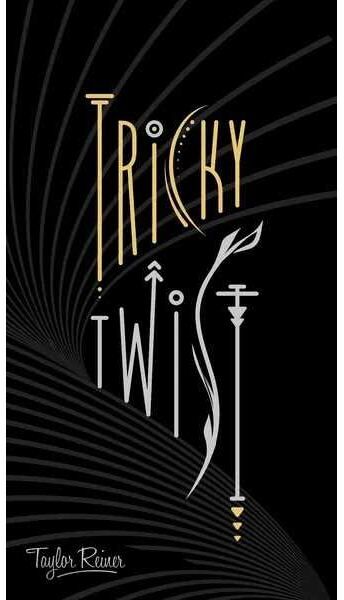
Tricky Twist Card Game - Compact Strategy Game, Ages 8+, by TackTurnTricky Twist is a compact card game where losing tricks can be just as valuable as winning them. Players retrieve cards they have played, turning them face up as false tricks that can influence the final score. Success depends on balancing ordinary tricks with false tricks while planning how transformed cards can work together. Players may aim to create a sequence of matching values, increasing their victory points through careful timing and tactical choices. This game offers a deceptively simple premise and strategic decisions, making it an engaging tabletop experience for players who enjoy clever card play, calculated risks, and changing objectives.10,89 £*Shipping: 3,95 £Secure redirect to the provider
-
World's Smallest Jenga - Compact Travel Stacking Game, Ages 6+, by Worlds SmallestIntroducing the World's Smallest Jenga, a compact and captivating twist on the classic stacking game. This miniature version of the beloved Jenga game brings all the fun and excitement of the original, but in a size that's perfect for travel and on-the-go entertainment. Measuring at a fraction of the size of the regular Jenga, the World's Smallest Jenga is designed to be portable and convenient. Its small blocks fit perfectly in the palm of your hand, making it easy to take the game with you wherever you go. Whether you're heading on a road trip, going camping, or simply want a fun game to play with friends and family, this mini Jenga set is a great option. Carefully remove one block at a time and stack it on top, but beware of the wobbly tower! With each move, the tension builds as you try to keep the tower from toppling over. It's a game that tests your skill and strategy, providing a fun challenge for players of all ages.8,79 £*Shipping: 3,95 £Secure redirect to the provider
-
TopCap Compact Dexterity Game for 2 Players by Thundergryph Games, Ages 10+TopCap is a compact dexterity and strategy game designed for relaxed head-to-head play. It's a great way to challenge your friends to a deceptively tricky contest of movement and positioning. The aim is simple: move your cap onto your opponent's bottle before they can do the same to you. The challenge comes from the way each cap affects the movement of the others, turning every attempt into a changing puzzle. Careful planning, timing, and a little tactical creativity can make the difference between a successful move and a blocked route. TopCap is a compact format game, perfect for tabletop or pub-style gaming. It encourages forward planning and adaptable play, making it a quick-to-learn challenge for game nights and casual gatherings. Can you find the elusive path to victory and become the Top Cap?12,27 £*Shipping: 3,95 £Secure redirect to the provider
-
Why do we call the present time modern/early modern and not the modern middle ages or simply middle ages?
We call the present time modern or early modern because it is characterized by significant advancements in technology, science, and social organization. The term "modern" reflects the rapid changes and progress that have occurred in recent centuries. On the other hand, the Middle Ages is a distinct historical period that is often associated with feudalism, the dominance of the Catholic Church, and limited technological and intellectual development. Therefore, it is not referred to as the "modern Middle Ages" because it does not reflect the same level of progress and change as the present era. **
-
What is the difference between modern times and the Middle Ages?
One key difference between modern times and the Middle Ages is the level of technological advancement. In modern times, we have access to advanced technology that has transformed various aspects of our lives, such as communication, transportation, and healthcare. Additionally, there have been significant advancements in areas like science, education, and human rights since the Middle Ages. Another difference is the shift in societal structures and values, with modern society being more diverse, inclusive, and democratic compared to the hierarchical and often oppressive systems of the Middle Ages. **
-
What is the difference between the Middle Ages and modern times?
The Middle Ages, also known as the medieval period, spanned roughly from the 5th to the 15th century and was characterized by feudalism, the dominance of the Catholic Church, and limited technological advancements. In contrast, modern times refer to the period from the 16th century to the present day, marked by significant advancements in science, technology, and industry, as well as the rise of democratic governments and human rights. The Middle Ages were a time of relative stagnation and limited social mobility, while modern times have seen rapid progress, globalization, and interconnectedness on a global scale. **
-
What are the differences between the Middle Ages and modern times?
The Middle Ages, also known as the medieval period, was a time of feudalism, chivalry, and the dominance of the Catholic Church. In contrast, modern times are characterized by democracy, capitalism, and the separation of church and state. The Middle Ages were marked by limited technological advancements and a focus on agriculture, while modern times are defined by rapid technological progress and a shift towards industrialization and urbanization. Additionally, the Middle Ages were a time of limited education and widespread illiteracy, while modern times have seen a significant increase in access to education and literacy rates. **
Similar search terms for Ages
-
Spin Master Rubik's Tutor Cube Puzzle For Learning Skills All Ages - Supports learning skills for all ages, compact, sturdy design, great gift ideaMeet the Rubik's Tutor Cube, a clever twist on the classic puzzle that combines fun and learning. Perfect for curious minds of all ages, it helps develop problem-solving skills while you play. Designed with learning in mind, the Tutor Cube guides you through pattern recognition, planning, and persistence. Its compact, sturdy design makes it easy to pick up and put down, making it ideal for short practice sessions, family game nights, or a quiet moment of concentration during a busy day. The Rubik's Tutor Cube is a great gift idea for birthdays, holidays, or classroom rewards. It can be enjoyed as a learning tool, a display piece on a shelf, or a collectible for puzzle fans. The Tutor Cube is a thoughtful gift for kids and grown-ups alike who love a clever challenge.12,90 £*Shipping: 3,95 £Secure redirect to the provider
-
Fearless - Compact Strategy Game by Rio Grande Games, Ages 8+, 1-4 PlayersIn Fearless, players navigate a gloomy forest surrounding a frightening ruin. The goal is to stay as close as possible to the safe path while deciding when to move forward and when to turn back. Wandering too far from safety increases the fear you suffer, but staying still has its own cost: you may be left behind while others continue their journey. Each choice affects your position and your chances of becoming the most fearless player. This compact strategy game is about risk, positioning, and carefully timed decisions. Its small format makes it suitable for tabletop gaming sessions at home or while traveling. Fearless is a game where you'll need to manage your fear and make strategic decisions to score points over several rounds and compete to finish as the most fearless.15,73 £*Shipping: 3,95 £Secure redirect to the provider
-
Dobble Classic, Compact Card Game for Family and Friends, Ages 6+, by ZygomaticGet ready for fast-paced observation and matching fun with Dobble Classic, a compact card game for family and friends. Each card features a selection of colorful symbols, with exactly one matching symbol shared between any two cards. Spot it first, name it and keep the game moving. With five different ways to play, Dobble offers plenty of variety for repeat games. Players need sharp eyes and quick reactions as they race to identify the common symbol. The straightforward rules make it easy to start playing, while the changing card combinations keep every round lively. Suitable for children and adults to enjoy together, Dobble Classic is a great choice for game nights, family gatherings, and portable play.9,43 £*Shipping: 3,95 £Secure redirect to the provider
-
Dobble Dinosaurs - Compact Card Game for Family Game Time, Ages 6+, by ZygomaticBring quick-fire observation and dinosaur-themed fun to family game time with Dobble Dinosaurs. Players race to spot the one matching dinosaur or symbol between two cards, then call it out before anyone else. Every pair of cards shares exactly one matching image, making each round simple to learn but excitingly unpredictable. With its compact format and lively prehistoric theme, Dobble Dinosaurs is easy to bring to gatherings, holidays, and family game nights. The fast pace helps keep everyone involved, while the range of play variations adds flexibility for different groups and ages. Suitable for dinosaur fans and players who enjoy energetic, accessible card games.11,29 £*Shipping: 3,95 £Secure redirect to the provider
-
What is the transition between the Middle Ages and the Modern Era?
The transition between the Middle Ages and the Modern Era is often referred to as the Renaissance. This period saw a revival of interest in art, literature, and learning, as well as a shift towards humanism and individualism. The Renaissance also brought about advancements in science, technology, and exploration, leading to significant changes in society and culture. This transition marked a shift from the feudal system and the dominance of the Catholic Church to the rise of nation-states, the growth of trade and commerce, and the spread of new ideas and knowledge. **
-
Does anyone know the feeling of living in a modern Middle Ages?
Living in a modern Middle Ages may refer to a time when certain aspects of life resemble those of the historical Middle Ages, such as limited access to technology, lack of modern amenities, or a sense of societal regression. While some individuals may have experienced a lifestyle that mirrors certain aspects of the Middle Ages, it is important to recognize that the comparison is not entirely accurate. The Middle Ages were characterized by specific historical, cultural, and social conditions that are not fully replicated in the modern world. Therefore, while some people may feel a sense of living in a modern Middle Ages due to certain circumstances, it is not an exact parallel to the historical period. **
-
How have the changes evolved from the Middle Ages to modern times?
The changes from the Middle Ages to modern times have evolved significantly in terms of technology, social structure, and cultural norms. In the Middle Ages, society was largely agrarian and feudal, with limited technological advancements and a rigid social hierarchy. As time progressed, the Renaissance brought about a revival of art, science, and learning, leading to the Age of Enlightenment and the Industrial Revolution, which transformed society through technological innovation and urbanization. In modern times, globalization, the digital revolution, and the rise of democracy have further reshaped the world, leading to interconnectedness and rapid advancements in technology and communication. Overall, the changes have evolved from a predominantly agrarian and feudal society to a highly interconnected, technologically advanced, and diverse global community. **
-
Why is the Middle Ages actually called the Middle Ages?
The Middle Ages is called so because it is the period of time between the fall of the Roman Empire in the 5th century and the beginning of the Renaissance in the 14th century. It is considered the "middle" period between the classical antiquity of the Roman Empire and the modern era. This period is also known as the medieval period, and it is characterized by the development of feudalism, the rise of Christianity, and the dominance of monarchies in Europe. **
* All prices are inclusive of VAT and, if applicable, plus shipping costs. The offer information is based on the details provided by the respective shop and is updated through automated processes. Real-time updates do not occur, so deviations can occur in individual cases. ** Note: Parts of this content were created by AI.