Buy wcsitz.eu ?
We are moving the project
wcsitz.eu .
Are you interested in purchasing the domain
wcsitz.eu ?
domain@kv-gmbh.de · 0541-91531010
Buy wcsitz.eu ?
Can dogs eat apricot kernels?
No, dogs should not eat apricot kernels. Apricot kernels contain amygdalin, which can release cyanide when metabolized. Cyanide is toxic to dogs and can cause symptoms such as vomiting, diarrhea, difficulty breathing, and even death. It's important to keep apricot kernels and other foods containing cyanide away from dogs to prevent accidental ingestion. **
Can apricot crayfish be kept alone?
Apricot crayfish are social creatures and generally do better when kept in groups rather than alone. Keeping them alone can lead to stress and loneliness, which may impact their overall health and well-being. It is recommended to keep apricot crayfish in a suitable sized tank with other compatible tank mates to provide them with a more natural and enriching environment. **
Similar search terms for Terpenic-Lab-Apricot-Vegetable
Top-Angebote
Products related to Terpenic-Lab-Apricot-Vegetable:
-
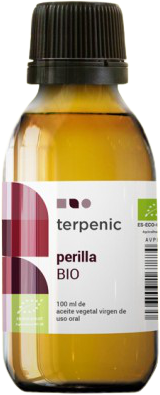
Terpenic Lab Perilla Vegetable Oil 100 mlHealth and Beauty Creams Terpenic Lab Perilla Vegetable Oil 100 ml It is one of the vegetable oils richest in linolenic acid (omega-3), an essential fatty acid that we must provide to our bodies through our diet. It has anti-inflammatory and healing properties, and is therefore used for skin irritations (dermatitis, eczema, allergies). It is highly recommended as an oral substitute for linseed oil, although heating it is not recommended to avoid losing its properties. In addition, its unsaponifiable portion also contains vitamin E and polyphenolic active ingredients. These fat-soluble vitamins and other chemical substances provide the following properties: restructuring, soothing, softening, and anti-inflammatory. Apply with a gentle massage on the area to be treated.19,06 £*Shipping: 3,99 £Secure redirect to the provider
-
Terpenic Lab Jojoba Vegetable Oil 250 mlHealth and Beauty Creams Terpenic Lab Jojoba Vegetable Oil 250 ml Terpenic Labs Jojoba oil is obtained from the seed of the Jojoba bush (Buxus Chinensis), a plant native to the Sonoran and Mojave deserts (areas belonging to Mexico and the USA). The oil content of the fresh seed is close to 50%. The resulting liquid is very unique in the world of oils, as it could actually be classified as a natural wax due to its high content of fatty acids and alcohols. Properties: Treatment for oily and acne-prone skin, sebum regulation, nourishing, highly recommended for facial and hair applications.25,83 £*Shipping: 3,99 £Secure redirect to the provider
-
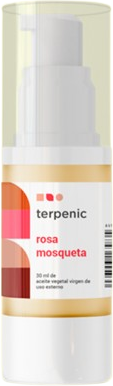
Terpenic Lab Rosehip Vegetable Oil 30 mlHealth and Beauty Creams Terpenic Lab Rosehip Vegetable Oil 30 ml Terpenic Labs Rosehip Oil has been selected for its high content of polyunsaturated fatty acids, especially linoleic and linolenic acids (over 75%). These fatty acids, which our bodies cannot produce, are absorbed through the skin and are essential in the biochemical processes related to tissue regeneration and the synthesis of new cells. Rosehip oil is indicated for dry, dehydrated or aged skin. It is suitable for the specific care of sensitive areas such as eyelids, the eye contour or areas close to mucous membranes. It can be applied as a preventative measure against wrinkles and to nourish, moisturize, and protect the skin from premature aging. It is also used in formulations for the treatment of burns, eczema, and scars.14,02 £*Shipping: 3,99 £Secure redirect to the provider
-
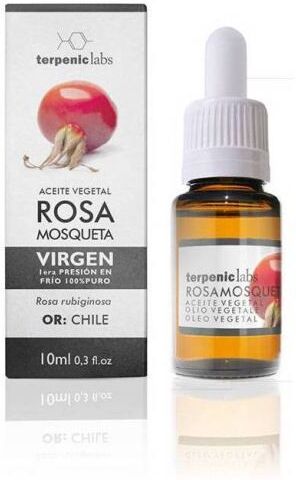
Terpenic Lab Rosehip Vegetable Oil 10 mlHealth and Beauty Creams Terpenic Lab Rosehip Vegetable Oil 10 ml 1st cold pressing. Acne, skin shine and smoothness, old or recent scars, eczema, psoriasis, sunburn, dry skin, burns and ulcers. Stimulates cell renewal, ideal for scars and skin blemishes. Restores skin elasticity and tone. Rosehip oil is obtained by cold-pressing the seeds of a plant belonging to the Rosaceae family: the wild rose or Rosa rubiginosa. It is mostly obtained from Chile and Europe. characteristic properties Lipid profile: Palmitic acid (C 16:0): 3- 8% Oleic acid (C 18:1): 12 – 16% Linoleic acid (C 18:2): 41 – 52% Linolenic acid (C18:3): 25 – 40% It has a high content of essential fatty acids with a high level of unsaturation, highlighting Alpha Linolenic Acid and Linoleic Acid. In addition to the high levels of omega 6 and omega 3, we find high levels of regenerative substances and fat-soluble antioxidants such as vitamin E and carotenoids. It is a highly penetrating oil. It prevents and treats signs of aging, among other benefits, and stimulates cell renewal, making it an ideal choice in formulations for scars and other skin blemishes. It improves dermal cell nutrition and internal hydration by enhancing microcirculation. It restores skin elasticity and tone. Uses and applications External use Especially indicated for: anti-wrinkle treatments, photoaging for mature skin. Also for burns, scars and marks, and superficial skin lesions. Widely used in medical-aesthetic formulations and facial and body serums. It absorbs quickly, protecting the skin and leaving it feeling pleasantly soft and smooth. Suitable for lotions, balms, face creams, body lotions, and lip balms. Example of preparation 1. Pigment spots: Mix equal parts Castor Oil and Rosehip Oil, apply a drop of the mixture to the spot with a gentle massage until absorbed once a day, preferably at night. Use high protection sunscreen all year round during the day. Note: Do not confuse with rose essential oil.6,97 £*Shipping: 3,99 £Secure redirect to the provider

-
Can guinea pigs eat apricot branches?
No, guinea pigs should not eat apricot branches. Apricot branches can be toxic to guinea pigs and may cause digestive issues or other health problems if ingested. It is important to only feed guinea pigs a diet that is safe and appropriate for their digestive system, such as hay, fresh vegetables, and a small amount of fruit as treats. **
-
Which color does apricot go with?
Apricot pairs well with a variety of colors, including soft pastels like pale pink, mint green, and light blue for a fresh and feminine look. It also complements earthy tones like olive green, mustard yellow, and terracotta for a warm and cozy feel. Additionally, apricot can be paired with neutrals like white, cream, and beige for a classic and elegant combination. **
-
How is pruning done for apricot trees?
Pruning apricot trees is typically done during the dormant season in late winter or early spring. Start by removing any dead, diseased, or broken branches. Then, thin out the canopy to allow for better air circulation and sunlight penetration. Finally, prune back any overly vigorous or crowded branches to promote fruit production and overall tree health. It is important to use sharp, clean tools and make clean cuts to minimize damage and promote healing. **
-
Are 36 apricot kernels edible at all?
Consuming 36 apricot kernels at once is not recommended as they contain amygdalin, a compound that can release cyanide in the body when metabolized. Consuming a large amount of apricot kernels can lead to cyanide poisoning, which can be harmful or even fatal. It is advised to consume apricot kernels in moderation and consult a healthcare professional for guidance on safe consumption levels. **

How can I save my apricot tree?
To save your apricot tree, you can start by ensuring it is planted in well-draining soil and receives adequate sunlight. Prune the tree regularly to remove dead or diseased branches and to promote air circulation. Water the tree deeply and infrequently to encourage deep root growth and avoid waterlogged soil. Additionally, consider applying a balanced fertilizer in the spring to provide essential nutrients for healthy growth. Lastly, monitor the tree for signs of pests or diseases and take appropriate measures to address any issues promptly. **
Are 40 to 50 apricot kernels dangerous?
Yes, consuming 40 to 50 apricot kernels can be dangerous due to the presence of amygdalin, a compound that can release cyanide in the body when metabolized. Consuming this amount of apricot kernels can lead to cyanide poisoning, which can cause symptoms such as dizziness, headache, nausea, vomiting, and in severe cases, can be life-threatening. It is important to consume apricot kernels in moderation and consult with a healthcare professional before incorporating them into your diet. **
Top-Angebote
Products related to Terpenic-Lab-Apricot-Vegetable:
-
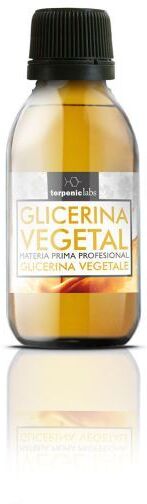
Terpenic Lab Vegetable Glycerin 125 grHealth and Beauty Creams Terpenic Lab Vegetable Glycerin 125 gr An excellent personal care product, thanks to its hygroscopic properties, it is used as a moisturizer. It also helps improve elasticity, is highly resistant to freezing, and can be crystallized. How to use: - It is used for skin care products, in creams and lotions.4,66 £*Shipping: 3,99 £Secure redirect to the provider
-
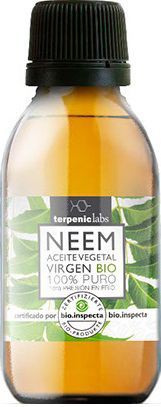
Terpenic Lab Neem Vegetable Oil 50 mlHealth and Beauty First aid kit Terpenic Lab Neem Vegetable Oil 50 ml Neem vegetable oil is obtained by cold-pressing the seeds of the Melia azadirachta tree, a spice widely distributed throughout the tropics and subtropics, occupying habitats ranging from rainforests to semi-desert areas. However, today, the production of this vegetable oil is almost exclusive to India. It has a thick liquid to semi-solid consistency, and its color ranges from dark yellow to almost black, it has a bitter taste, and its aroma is reminiscent of garlic. Valued for its antibacterial, antifungal and antiparasitic properties. Neem vegetable oil is rich in omegas, giving it nourishing and emollient properties. It is also known for its antiseptic and antifungal properties, and as an insect repellent against mosquitoes, mites, fleas, ticks, lice, and moths.13,54 £*Shipping: 3,99 £Secure redirect to the provider
-
Terpenic Lab Perilla Vegetable Oil 100 mlHealth and Beauty Creams Terpenic Lab Perilla Vegetable Oil 100 ml It is one of the vegetable oils richest in linolenic acid (omega-3), an essential fatty acid that we must provide to our bodies through our diet. It has anti-inflammatory and healing properties, and is therefore used for skin irritations (dermatitis, eczema, allergies). It is highly recommended as an oral substitute for linseed oil, although heating it is not recommended to avoid losing its properties. In addition, its unsaponifiable portion also contains vitamin E and polyphenolic active ingredients. These fat-soluble vitamins and other chemical substances provide the following properties: restructuring, soothing, softening, and anti-inflammatory. Apply with a gentle massage on the area to be treated.19,06 £*Shipping: 3,99 £Secure redirect to the provider
-
Terpenic Lab Jojoba Vegetable Oil 250 mlHealth and Beauty Creams Terpenic Lab Jojoba Vegetable Oil 250 ml Terpenic Labs Jojoba oil is obtained from the seed of the Jojoba bush (Buxus Chinensis), a plant native to the Sonoran and Mojave deserts (areas belonging to Mexico and the USA). The oil content of the fresh seed is close to 50%. The resulting liquid is very unique in the world of oils, as it could actually be classified as a natural wax due to its high content of fatty acids and alcohols. Properties: Treatment for oily and acne-prone skin, sebum regulation, nourishing, highly recommended for facial and hair applications.25,83 £*Shipping: 3,99 £Secure redirect to the provider
-
Can dogs eat apricot kernels?
No, dogs should not eat apricot kernels. Apricot kernels contain amygdalin, which can release cyanide when metabolized. Cyanide is toxic to dogs and can cause symptoms such as vomiting, diarrhea, difficulty breathing, and even death. It's important to keep apricot kernels and other foods containing cyanide away from dogs to prevent accidental ingestion. **
-
Can apricot crayfish be kept alone?
Apricot crayfish are social creatures and generally do better when kept in groups rather than alone. Keeping them alone can lead to stress and loneliness, which may impact their overall health and well-being. It is recommended to keep apricot crayfish in a suitable sized tank with other compatible tank mates to provide them with a more natural and enriching environment. **
-
Can guinea pigs eat apricot branches?
No, guinea pigs should not eat apricot branches. Apricot branches can be toxic to guinea pigs and may cause digestive issues or other health problems if ingested. It is important to only feed guinea pigs a diet that is safe and appropriate for their digestive system, such as hay, fresh vegetables, and a small amount of fruit as treats. **
-
Which color does apricot go with?
Apricot pairs well with a variety of colors, including soft pastels like pale pink, mint green, and light blue for a fresh and feminine look. It also complements earthy tones like olive green, mustard yellow, and terracotta for a warm and cozy feel. Additionally, apricot can be paired with neutrals like white, cream, and beige for a classic and elegant combination. **
Similar search terms for Terpenic-Lab-Apricot-Vegetable
-
Terpenic Lab Rosehip Vegetable Oil 30 mlHealth and Beauty Creams Terpenic Lab Rosehip Vegetable Oil 30 ml Terpenic Labs Rosehip Oil has been selected for its high content of polyunsaturated fatty acids, especially linoleic and linolenic acids (over 75%). These fatty acids, which our bodies cannot produce, are absorbed through the skin and are essential in the biochemical processes related to tissue regeneration and the synthesis of new cells. Rosehip oil is indicated for dry, dehydrated or aged skin. It is suitable for the specific care of sensitive areas such as eyelids, the eye contour or areas close to mucous membranes. It can be applied as a preventative measure against wrinkles and to nourish, moisturize, and protect the skin from premature aging. It is also used in formulations for the treatment of burns, eczema, and scars.14,02 £*Shipping: 3,99 £Secure redirect to the provider
-
Terpenic Lab Rosehip Vegetable Oil 10 mlHealth and Beauty Creams Terpenic Lab Rosehip Vegetable Oil 10 ml 1st cold pressing. Acne, skin shine and smoothness, old or recent scars, eczema, psoriasis, sunburn, dry skin, burns and ulcers. Stimulates cell renewal, ideal for scars and skin blemishes. Restores skin elasticity and tone. Rosehip oil is obtained by cold-pressing the seeds of a plant belonging to the Rosaceae family: the wild rose or Rosa rubiginosa. It is mostly obtained from Chile and Europe. characteristic properties Lipid profile: Palmitic acid (C 16:0): 3- 8% Oleic acid (C 18:1): 12 – 16% Linoleic acid (C 18:2): 41 – 52% Linolenic acid (C18:3): 25 – 40% It has a high content of essential fatty acids with a high level of unsaturation, highlighting Alpha Linolenic Acid and Linoleic Acid. In addition to the high levels of omega 6 and omega 3, we find high levels of regenerative substances and fat-soluble antioxidants such as vitamin E and carotenoids. It is a highly penetrating oil. It prevents and treats signs of aging, among other benefits, and stimulates cell renewal, making it an ideal choice in formulations for scars and other skin blemishes. It improves dermal cell nutrition and internal hydration by enhancing microcirculation. It restores skin elasticity and tone. Uses and applications External use Especially indicated for: anti-wrinkle treatments, photoaging for mature skin. Also for burns, scars and marks, and superficial skin lesions. Widely used in medical-aesthetic formulations and facial and body serums. It absorbs quickly, protecting the skin and leaving it feeling pleasantly soft and smooth. Suitable for lotions, balms, face creams, body lotions, and lip balms. Example of preparation 1. Pigment spots: Mix equal parts Castor Oil and Rosehip Oil, apply a drop of the mixture to the spot with a gentle massage until absorbed once a day, preferably at night. Use high protection sunscreen all year round during the day. Note: Do not confuse with rose essential oil.6,97 £*Shipping: 3,99 £Secure redirect to the provider
-
Terpenic Lab Neem Vegetable Oil 500 mlHealth and Beauty First aid kit Terpenic Lab Neem Vegetable Oil 500 ml Neem vegetable oil is obtained by cold-pressing the seeds of the Melia azadirachta tree, a spice widely distributed throughout the tropics and subtropics, occupying habitats ranging from rainforests to semi-desert areas. However, today, the production of this vegetable oil is almost exclusive to India. It has a thick liquid to semi-solid consistency, and its color ranges from dark yellow to almost black, it has a bitter taste, and its aroma is reminiscent of garlic. Valued for its antibacterial, antifungal and antiparasitic properties. Neem vegetable oil is rich in omegas, giving it nourishing and emollient properties. It is also known for its antiseptic and antifungal properties, and as an insect repellent against mosquitoes, mites, fleas, ticks, lice, and moths.28,84 £*Shipping: 4,99 £Secure redirect to the provider
-
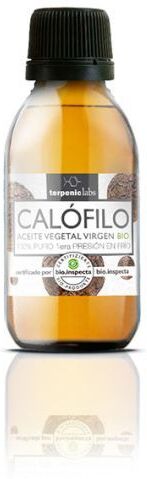
Terpenic Lab Calophyll Vegetable Oil 60 mlHealth and Beauty First aid kit Terpenic Lab Calophyll Vegetable Oil 60 ml Organic first-pressed tamanu oil for muscle and joint pain, rheumatism, sciatica, lumbago, and circulatory problems. This oil is rich in Vitamin E or Tocopherol. A powerful natural antioxidant that helps stabilize the unsaturated fatty acids in cell membranes. It also contains healing molecules such as: calophyllic acid and inophylline.12,19 £*Shipping: 3,99 £Secure redirect to the provider
-
How is pruning done for apricot trees?
Pruning apricot trees is typically done during the dormant season in late winter or early spring. Start by removing any dead, diseased, or broken branches. Then, thin out the canopy to allow for better air circulation and sunlight penetration. Finally, prune back any overly vigorous or crowded branches to promote fruit production and overall tree health. It is important to use sharp, clean tools and make clean cuts to minimize damage and promote healing. **
-
Are 36 apricot kernels edible at all?
Consuming 36 apricot kernels at once is not recommended as they contain amygdalin, a compound that can release cyanide in the body when metabolized. Consuming a large amount of apricot kernels can lead to cyanide poisoning, which can be harmful or even fatal. It is advised to consume apricot kernels in moderation and consult a healthcare professional for guidance on safe consumption levels. **
-
How can I save my apricot tree?
To save your apricot tree, you can start by ensuring it is planted in well-draining soil and receives adequate sunlight. Prune the tree regularly to remove dead or diseased branches and to promote air circulation. Water the tree deeply and infrequently to encourage deep root growth and avoid waterlogged soil. Additionally, consider applying a balanced fertilizer in the spring to provide essential nutrients for healthy growth. Lastly, monitor the tree for signs of pests or diseases and take appropriate measures to address any issues promptly. **
-
Are 40 to 50 apricot kernels dangerous?
Yes, consuming 40 to 50 apricot kernels can be dangerous due to the presence of amygdalin, a compound that can release cyanide in the body when metabolized. Consuming this amount of apricot kernels can lead to cyanide poisoning, which can cause symptoms such as dizziness, headache, nausea, vomiting, and in severe cases, can be life-threatening. It is important to consume apricot kernels in moderation and consult with a healthcare professional before incorporating them into your diet. **
* All prices are inclusive of VAT and, if applicable, plus shipping costs. The offer information is based on the details provided by the respective shop and is updated through automated processes. Real-time updates do not occur, so deviations can occur in individual cases. ** Note: Parts of this content were created by AI.