Buy wcsitz.eu ?
We are moving the project
wcsitz.eu .
Are you interested in purchasing the domain
wcsitz.eu ?
domain@kv-gmbh.de · 0541-91531010
Buy wcsitz.eu ?
What is the present (present tense), 1st past (simple past), 2nd past (present perfect), past perfect (pluperfect), and future (future tense)?
Present: I walk to school every day. 1st Past (Simple Past): Yesterday, I walked to school. 2nd Past (Present Perfect): I have walked to school many times. Past Perfect (Pluperfect): By the time I arrived, I had already walked to school. Future: Tomorrow, I will walk to school again. **
What is the present (present tense), 1st past (preterite), 2nd past (perfect), past perfect (pluperfect), and future (future)?
The present tense describes actions happening now or regularly. The 1st past, or preterite, describes actions that happened at a specific point in the past. The 2nd past, or perfect, describes actions that were completed in the past. The past perfect, or pluperfect, describes actions that were completed before another past action. The future tense describes actions that will happen in the future. **

Similar search terms for 1st Past Yesterday
Top-Angebote
Products related to 1st Past Yesterday:
-
Clesse APZ400 1st Stage Adjustable Propane High Pressure RegulatorThe Clesse APZ400 1st Stage 30-60kg/hr Propane High Pressure Regulator is mainly used on Domestic, Commercial, Industrial and Agricultural LPG Installations using Bulk Tanks. It provides the first stage regulation function without OPSO at 0.5 and 2 bar and is fitted directly onto the Tanks. Design and performance to BS EN 1378539,54 £*Shipping: 5,00 £Secure redirect to the provider
-
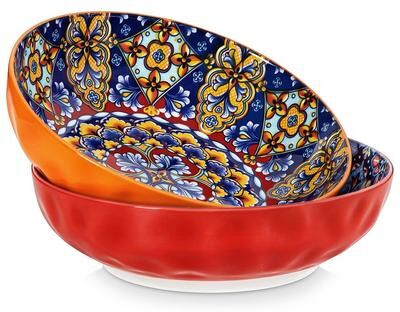
Vancasso SIMI 2-Piece 10-inch Boho Porcelain Past Bowl SetElevate your dining experience with the Vancasso SIMI 10-Inch Porcelain Past Bowl Set. Featuring eye-catching Bohemian-inspired hand-painted designs, these bowls blend artistry with everyday functionality.51,49 $*Shipping: 0,00 $Secure redirect to the provider
-
Scholastic 1st Grade Value PackHelp children retain valuable academic skills.These books for first graders will engage your child with action, adventure and other fun genres. Join Mimi, Eva the Owl and other characters on their adventures to encourage reading for your first...44,14 $*Shipping: 0,00 $Secure redirect to the provider
-
Clesse APS2000 Adjustable 1st Stage OPSO Regulator 750mbar 120kg/hThis Clesse APS2000 1st Stage Ajustable OPSO Fixed 0.75 bar (0.5-2bar) Gas Regulator with Schrader TP is factory set @ 0.75bar but is also adjustable between 0.5 – 2bar should it be necessary.These are mainly used on Commercial, Industrial and Agricultural LPG Installations using Bulk Tanks. They provide the first stage regulation function and are fitted directly onto the Tanks or inline using Tank Manifold kits, and have OPSO (Over Pressure Shut Off) Device fitted before or after the regulator. This regulator has the OPSO fitted before the regulator and is monitored upstream via a sensing line. Design and performance to BS EN 13785.287,66 £*Shipping: 0,00 £Secure redirect to the provider



-
Could I not have gone to the concert yesterday? (Past subjunctive)
To form the past subjunctive in English, we typically use "could have" followed by the past participle of the main verb. Therefore, the sentence "Could I not have gone to the concert yesterday?" is a correct usage of the past subjunctive. This construction is used to express doubt or uncertainty about a past action, suggesting that it was possible for the speaker to have gone to the concert but they did not. **
-
Could I have not gone to the concert yesterday? (Past Subjunctive)
Yes, you could have not gone to the concert yesterday. If you had chosen not to attend, the outcome would have been different. The past subjunctive is used to express hypothetical or unreal situations, so in this case, it is possible to consider the alternative scenario where you did not go to the concert. **
-
Would I have been able to go to the concert yesterday? (past subjunctive)
If I had known about the concert yesterday, I would have been able to go. **
-
What did I experience yesterday that shocked me? I walked past an alley yesterday and saw a group of underage girls walking towards me.
Yesterday, I experienced a shocking moment when I walked past an alley and saw a group of underage girls walking towards me. It was surprising and concerning to see young girls in such a place, and I couldn't help but wonder what they were doing there. The sight made me reflect on the vulnerability of young people and the importance of ensuring their safety and well-being. **


What did I experience yesterday that shocked me? I walked past an alley yesterday and a group of underage girls was walking towards me.
I was shocked to see that they were smoking and using vulgar language. It was alarming to witness such behavior from young girls. It made me realize the influence of peer pressure and the importance of positive role models for young people. It was a jarring reminder of the challenges that young people face and the need for support and guidance in their lives. **
Was New Year originally on March 1st or April 1st?
New Year was originally on March 1st in the ancient Roman calendar. It was later changed to January 1st when the Julian calendar was introduced by Julius Caesar in 45 BCE. The change was made to align the calendar with the solar year and to honor the Roman god Janus, who was the god of beginnings and transitions. **
Top-Angebote
Products related to 1st Past Yesterday:
-
Dietmed Propotuss 20 PastNutrition and Supplements Royal jelly, bee pollen and propolis Dietmed Propotuss 20 Past Vitamin C contributes to the normal functioning of the immune system and to the protection of cells against undesirable oxidations.Chupar o masticar 1 tableta cada 2 horas, hasta un máximo de 8 tabletas por día.Suck or chew 1 tablet every 2 hours, up to a maximum of 8 tablets per day5,82 £*Shipping: 3,99 £Secure redirect to the provider
-
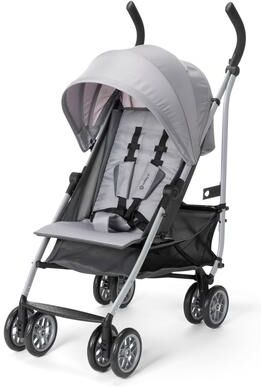
Safety 1st Easy-Fold Compact Stroller - DorsalThe Safety 1st Strollerette Compact Stroller lightens up every stroll with its compact size and ample storage space. With its plush foam handles and lightweight aluminum frame (at under 16.5 lbs119,99 $*Shipping: 0,00 $Secure redirect to the provider
-
Clesse APZ400 1st Stage Adjustable Propane High Pressure RegulatorThe Clesse APZ400 1st Stage 30-60kg/hr Propane High Pressure Regulator is mainly used on Domestic, Commercial, Industrial and Agricultural LPG Installations using Bulk Tanks. It provides the first stage regulation function without OPSO at 0.5 and 2 bar and is fitted directly onto the Tanks. Design and performance to BS EN 1378539,54 £*Shipping: 5,00 £Secure redirect to the provider
-
Vancasso SIMI 2-Piece 10-inch Boho Porcelain Past Bowl SetElevate your dining experience with the Vancasso SIMI 10-Inch Porcelain Past Bowl Set. Featuring eye-catching Bohemian-inspired hand-painted designs, these bowls blend artistry with everyday functionality.51,49 $*Shipping: 0,00 $Secure redirect to the provider
-
What is the present (present tense), 1st past (simple past), 2nd past (present perfect), past perfect (pluperfect), and future (future tense)?
Present: I walk to school every day. 1st Past (Simple Past): Yesterday, I walked to school. 2nd Past (Present Perfect): I have walked to school many times. Past Perfect (Pluperfect): By the time I arrived, I had already walked to school. Future: Tomorrow, I will walk to school again. **
-
What is the present (present tense), 1st past (preterite), 2nd past (perfect), past perfect (pluperfect), and future (future)?
The present tense describes actions happening now or regularly. The 1st past, or preterite, describes actions that happened at a specific point in the past. The 2nd past, or perfect, describes actions that were completed in the past. The past perfect, or pluperfect, describes actions that were completed before another past action. The future tense describes actions that will happen in the future. **
-
Could I not have gone to the concert yesterday? (Past subjunctive)
To form the past subjunctive in English, we typically use "could have" followed by the past participle of the main verb. Therefore, the sentence "Could I not have gone to the concert yesterday?" is a correct usage of the past subjunctive. This construction is used to express doubt or uncertainty about a past action, suggesting that it was possible for the speaker to have gone to the concert but they did not. **
-
Could I have not gone to the concert yesterday? (Past Subjunctive)
Yes, you could have not gone to the concert yesterday. If you had chosen not to attend, the outcome would have been different. The past subjunctive is used to express hypothetical or unreal situations, so in this case, it is possible to consider the alternative scenario where you did not go to the concert. **
Similar search terms for 1st Past Yesterday
-
Scholastic 1st Grade Value PackHelp children retain valuable academic skills.These books for first graders will engage your child with action, adventure and other fun genres. Join Mimi, Eva the Owl and other characters on their adventures to encourage reading for your first...44,14 $*Shipping: 0,00 $Secure redirect to the provider
-
Clesse APS2000 Adjustable 1st Stage OPSO Regulator 750mbar 120kg/hThis Clesse APS2000 1st Stage Ajustable OPSO Fixed 0.75 bar (0.5-2bar) Gas Regulator with Schrader TP is factory set @ 0.75bar but is also adjustable between 0.5 – 2bar should it be necessary.These are mainly used on Commercial, Industrial and Agricultural LPG Installations using Bulk Tanks. They provide the first stage regulation function and are fitted directly onto the Tanks or inline using Tank Manifold kits, and have OPSO (Over Pressure Shut Off) Device fitted before or after the regulator. This regulator has the OPSO fitted before the regulator and is monitored upstream via a sensing line. Design and performance to BS EN 13785.287,66 £*Shipping: 0,00 £Secure redirect to the provider
-
Clesse AP40R Adjustable 1st Stage Regulator OPSO 750mbar 60kg/hThis regulator is factory set @ 0.75bar but is also adjustable between 0.5 – 2bar should it be necessary. These are mainly used on Domestic, Commercial, Industrial and Agricultural LPG Installations using Bulk Tanks. They provide the first stage regulation function and are fitted directly onto the Tanks or inline using Tank Manifold kits, and have OPSO (Over Pressure Shut Off) Device fitted before or after the regulator. This regulator has the OPSO fitted before the regulator and is monitored upstream via a sensing line. Design and performance to BS EN 13785.166,86 £*Shipping: 0,00 £Secure redirect to the provider
-
Clesse APS2000 OPSO Adjustable 1st Stage Gas Regulator 1bar 120kg/hThe Clesse APS2000 1st Stage Ajustable OPSO Fixed 1 bar (1-3bar) Gas Regulator with Schrader TP is also adjustable between 1–3bar should it be necessary. These are mainly used on Commercial, Industrial and Agricultural LPG Installations using Bulk Tanks. They provide the first stage regulation function and are fitted directly onto the Tanks or inline using Tank Manifold kits, and have OPSO (Over Pressure Shut Off) Device fitted before or after the regulator.This regulator has the OPSO fitted before the regulator and is monitored upstream via a sensing line. Design and performance to BS EN 13785311,39 £*Shipping: 0,00 £Secure redirect to the provider
-
Would I have been able to go to the concert yesterday? (past subjunctive)
If I had known about the concert yesterday, I would have been able to go. **
-
What did I experience yesterday that shocked me? I walked past an alley yesterday and saw a group of underage girls walking towards me.
Yesterday, I experienced a shocking moment when I walked past an alley and saw a group of underage girls walking towards me. It was surprising and concerning to see young girls in such a place, and I couldn't help but wonder what they were doing there. The sight made me reflect on the vulnerability of young people and the importance of ensuring their safety and well-being. **
-
What did I experience yesterday that shocked me? I walked past an alley yesterday and a group of underage girls was walking towards me.
I was shocked to see that they were smoking and using vulgar language. It was alarming to witness such behavior from young girls. It made me realize the influence of peer pressure and the importance of positive role models for young people. It was a jarring reminder of the challenges that young people face and the need for support and guidance in their lives. **
-
Was New Year originally on March 1st or April 1st?
New Year was originally on March 1st in the ancient Roman calendar. It was later changed to January 1st when the Julian calendar was introduced by Julius Caesar in 45 BCE. The change was made to align the calendar with the solar year and to honor the Roman god Janus, who was the god of beginnings and transitions. **
* All prices are inclusive of VAT and, if applicable, plus shipping costs. The offer information is based on the details provided by the respective shop and is updated through automated processes. Real-time updates do not occur, so deviations can occur in individual cases. ** Note: Parts of this content were created by AI.